Last updated October 15, 2026
DIY vs Professional ADU: The Los Angeles Homeowner’s Decision Guide
An owner-builder ADU in Los Angeles can legally save $30,000 to $60,000 in labor costs. That’s a real number, not marketing math. But the same permit type triggers an LADBS flag that makes future resale more complicated, and any inspection failure while owner-building restarts the permit clock without a contractor to absorb the cost. This guide walks through the actual decision: which tasks a Los Angeles homeowner can legally and safely handle, which ones require a licensed trade, and where the real savings start to evaporate.
Quick Answer
Most Los Angeles homeowners should not attempt a full DIY ADU. The smart move is a hybrid: handle demolition, painting, tile, and landscaping yourself, and hire licensed professionals for electrical, plumbing, structural framing, and waterproofing. The savings from pure DIY rarely survive first inspection, and unpermitted work can make your property unsellable.
Table of Contents
- What California’s Owner-Builder Permit Actually Allows
- Task-by-Task: What You Can Legally DIY in Los Angeles
- The Real Cost Comparison: Professional vs Owner-Managed
- How LADBS Treats Owner-Builder Applications Differently
- Three Scenarios Where Professional Construction Is Clearly Worth It
- Common Mistakes to Avoid
- When to Call a Professional
- Frequently Asked Questions
What California’s Owner-Builder Permit Actually Allows
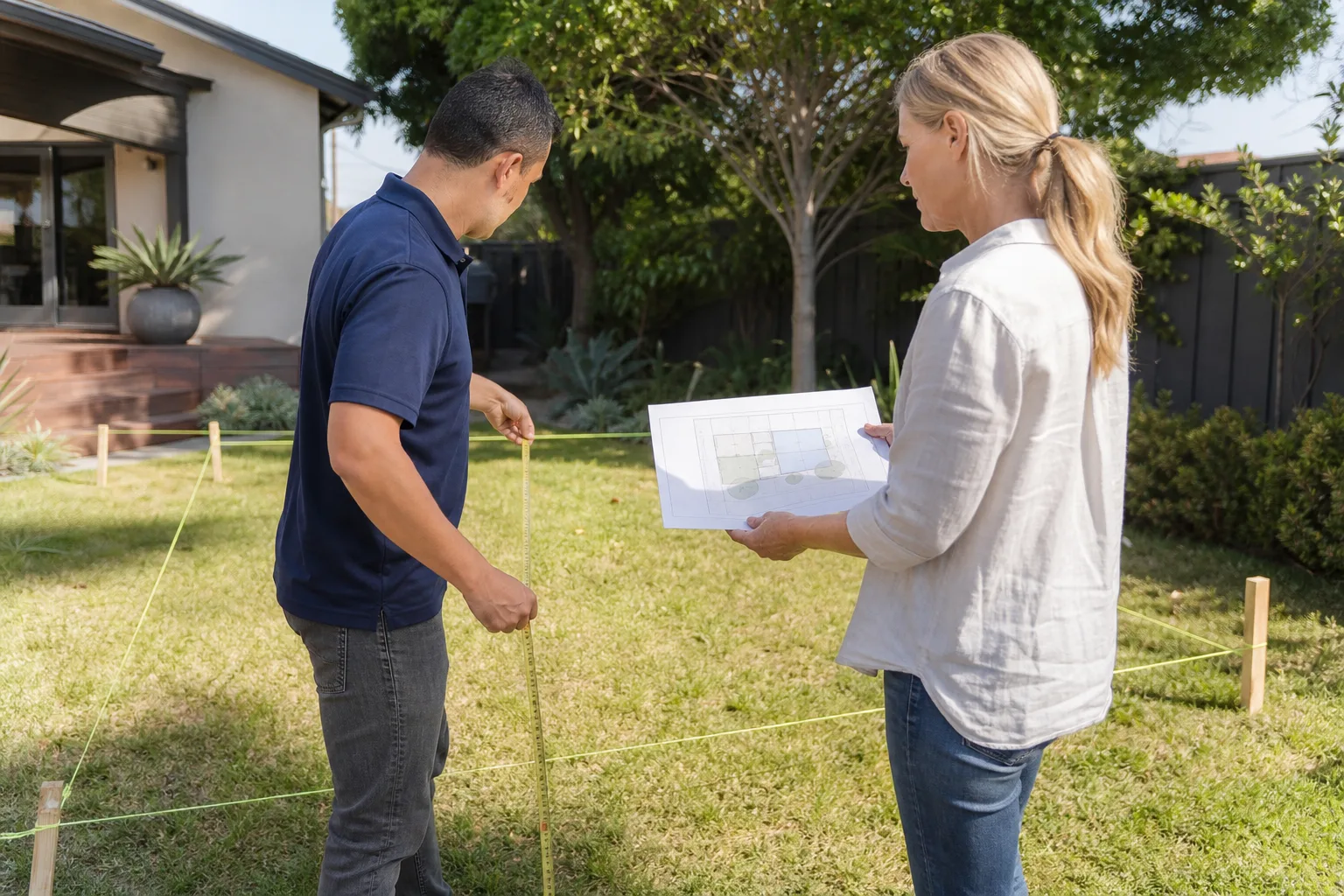
California law says a homeowner can act as their own general contractor on an ADU project. The state issues what’s called an owner-builder permit, and it comes with rules most people don’t discover until after they’ve signed the paperwork. You’re allowed to pull permits, hire subcontractors, and supervise the work yourself. You’re also legally classified as an “employer” for any workers you hire, which means you carry the liability if someone gets hurt on your job site.
The owner-builder declaration you sign is a legal document. It states you’re building the ADU for your own use, not for sale. Here’s the part that catches Los Angeles homeowners off guard: that declaration doesn’t disappear when the project ends. If you sell the house, you’re required to disclose that you were the owner-builder. Buyers can see it. Lenders can see it. In a market like Los Angeles where buyers are already skittish about construction quality, an owner-builder disclosure can shrink your buyer pool.
There’s also a timing restriction. If you build as an owner-builder and then try to sell the property within a certain window, you may face additional inspection requirements or financing complications for the buyer. The exact rules depend on the circumstances, but the pattern we’ve seen across Los Angeles is consistent: owner-builder ADUs sell slower and appraise lower in neighborhoods where buyers have options.
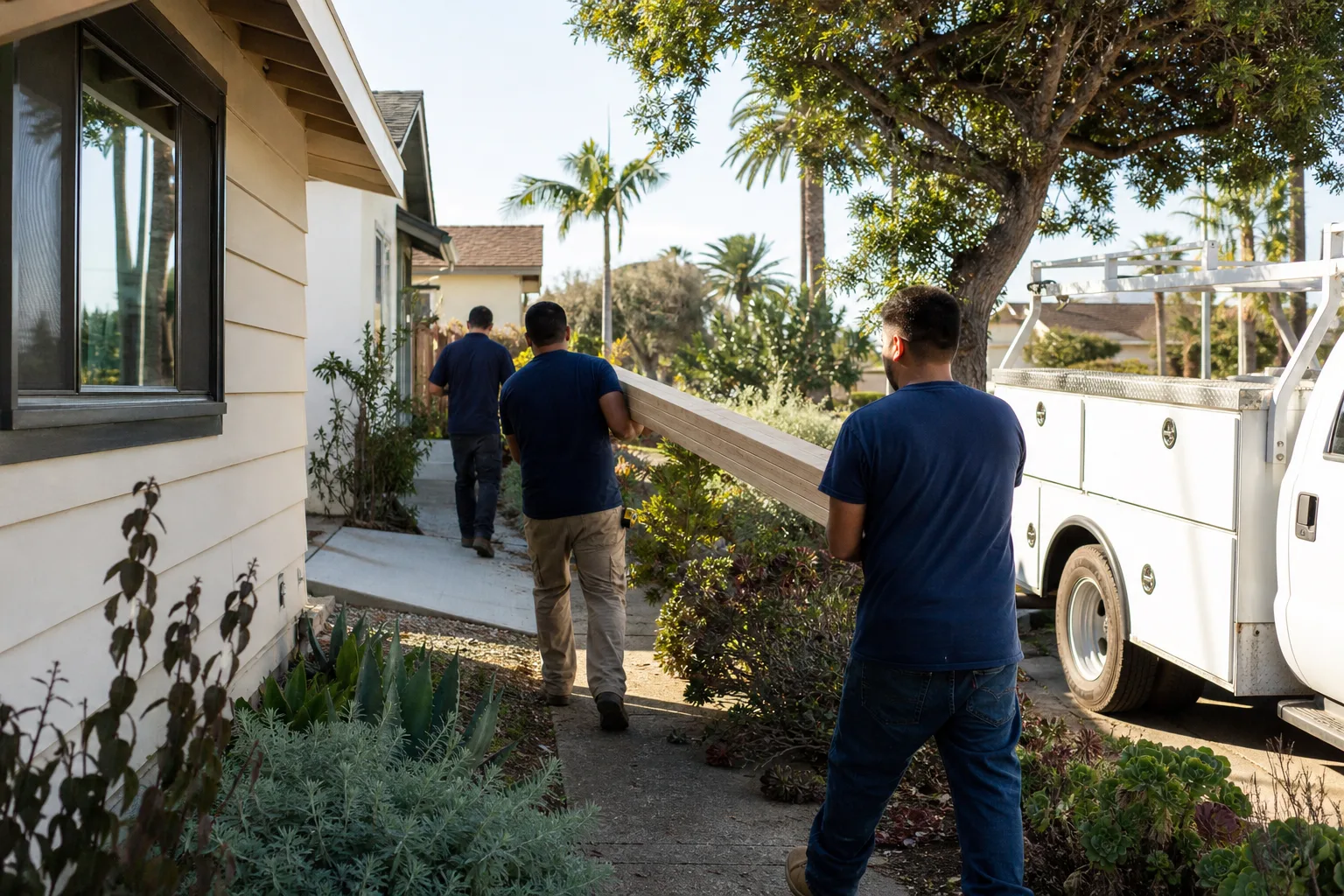
A professional ADU builder in Los Angeles absorbs that disclosure burden. The permit is pulled under the contractor’s license, the work is warrantied, and the resale conversation never includes the phrase “owner-built.”
None of this means owner-builder is always the wrong call. On a flat lot in the San Fernando Valley with a simple prefab unit, a meticulous homeowner can save real money. But you should go in knowing the disclosure follows the property, not the person.
Task-by-Task: What You Can Legally DIY in Los Angeles
The DIY question isn’t one question. It’s about twenty questions, one for each trade involved in an ADU. Here’s the breakdown based on what Los Angeles code actually allows and what LADBS inspectors actually pass.
Tasks a Homeowner Can Reasonably Do
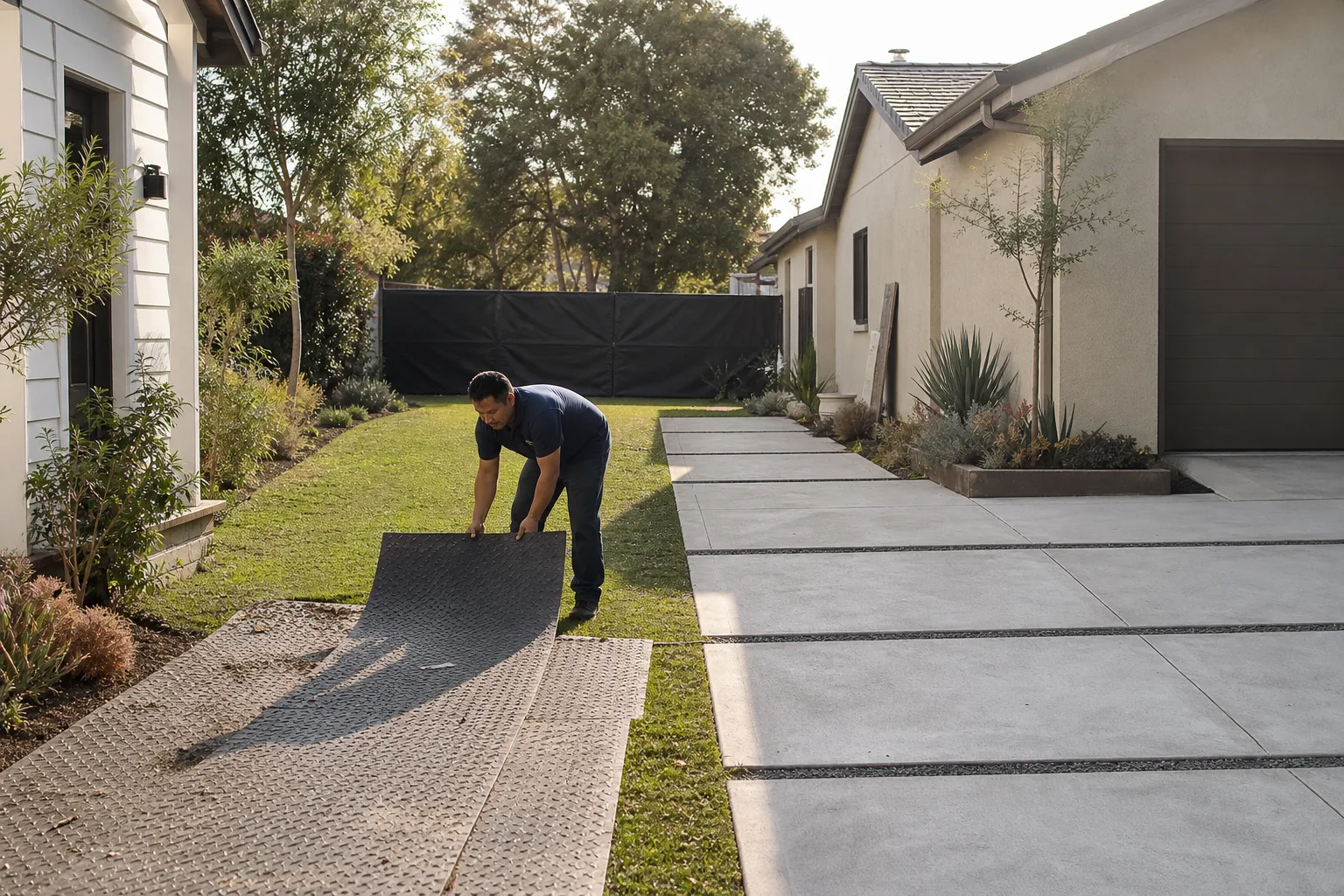
- Demolition: Interior demo of non-structural walls is straightforward. You’ll need a debris hauling plan. LADBS doesn’t require a licensed contractor for basic demo, but they do require a waste management plan for larger projects.
- Painting: No license required. Interior and exterior painting is the most approachable DIY task on an ADU.
- Tile work: Floor tile and wall tile are legally DIY. The quality bar matters, though. A bad tile job in a Los Angeles ADU shower can mean a full rework when water gets behind it.
- Landscaping: No permit needed for basic landscaping around the ADU footprint. This is pure savings.
- Finish carpentry: Baseboards, trim, and interior door installation can be done by a homeowner with patience and a good miter saw.
Tasks That Require a Licensed Trade in Los Angeles
- Electrical panel work: Any change to your main panel or service upgrade requires a licensed electrician. No exceptions. LADBS will not pass a panel job done by a homeowner.
- Gas lines: Running a gas line for a stove, dryer, or water heater requires a licensed plumber with the right endorsements. The risk here isn’t just code compliance. It’s safety.
- Structural framing: Anything load-bearing requires engineering stamps and a contractor who knows how to read them. A garage conversion that opens up a wall is structural work.
- Waterproofing behind a shower: This is the single most common failure point in DIY ADUs across Los Angeles. A failed waterproofing membrane shows up months later as mold behind the tile. Licensed contractors are required for shower pan and waterproofing work.
- Roofing: For a detached ADU with its own roof, LADBS requires licensed roofing work in most cases. The valley heat dries out roofing materials fast, and a bad install shows up in the first rain.
The pattern is this: cosmetic work is DIY-able. Anything that touches water, electricity, gas, or structure is not. When a Los Angeles homeowner tries to do it anyway, the inspector catches it, the permit gets flagged, and the rework costs more than hiring the trade would have in the first place.
The Real Cost Comparison: Professional vs Owner-Managed
Let’s put real numbers on this. A professionally built ADU in Los Angeles runs roughly $200,000 for a one-bedroom unit built to code with permits. That number varies by neighborhood and finish level, but it’s a fair baseline for the LA market. An owner-managed project, where the homeowner acts as their own GC and coordinates subcontractors, might run $140,000 to $170,000 in hard costs.
That’s a $30,000 to $60,000 savings on paper. But the paper doesn’t show the full picture.
What Owner-Managing Actually Costs
- Time cost: Acting as your own GC on an ADU is realistically a 15 to 20 hour per week commitment for 9 to 14 months. That’s 600 to 1,200 hours of your life. At a modest $50 per hour value on your own time, that’s $30,000 to $60,000 right there.
- Error cost: When a sub makes a mistake on a professionally managed job, the GC eats the rework. When a sub makes a mistake on your owner-managed job, you eat it. One failed inspection in Los Angeles typically adds $1,500 to $5,000 in rework and delays.
- Delay cost: Subs prioritize GCs who give them steady work. An owner-builder with one project is the lowest priority. A two-week delay on a $200,000 project, accounting for carrying costs and materials price creep, can add $3,000 to $8,000.
- Knowledge cost: You don’t know what you don’t know. A GC sees a sub’s bad work before the inspector does. You’ll see it when the inspector red-tags it.
The honest math: on a straightforward project with a diligent homeowner, DIY saves maybe 10% to 15% after time and error costs are counted. On a complex project, it can cost more than hiring a professional from day one. A home addition contractor in Los Angeles manages the sequencing, the inspection prep, and the inevitable surprises. That’s what the margin buys.
How LADBS Treats Owner-Builder Applications Differently
This is the part nobody tells you. LADBS processes owner-builder permits differently from contractor-pulled permits. Not officially, but practically. When a licensed contractor pulls a permit in Los Angeles, the inspector sees a track record. They know this contractor has passed plan check before, has corrected violations before, and has a working relationship with the department. The inspection is thorough but routine.
When an owner-builder pulls a permit, the inspector sees an unknown. They don’t know if you’ve ever read a code book. They don’t know if you’ll argue with them about a correction. They don’t know if you’ll try to hide work behind drywall before the inspection. So they look harder.
In our experience across Los Angeles, owner-builder inspections run longer and flag more items. Not because the inspectors are unfair. Because they’ve seen what happens when an unlicensed homeowner does electrical work and hides it. They’re protecting you and the next buyer.
There’s also a sequencing issue. A professional GC schedules inspections in the right order. Rough electrical before drywall. Rough plumbing before tile. LADBS has specific inspection points, and missing one means undoing finished work. An owner-builder who doesn’t know the sequence gets to tear out drywall with a crowbar. That’s not a hypothetical. It happens in Los Angeles every month.
Three Scenarios Where Professional Construction Is Clearly Worth It
The DIY math changes completely in three specific situations. If your project hits any of these, the professional premium isn’t a premium. It’s the cheaper option.
1. Tight Lots with Complex Setback Variances
Los Angeles lots are tight. A setback variance request on a 5,000 square foot lot in the Mid-City area or parts of the Valley is a paperwork-heavy process that requires surveyors, architects, and a deep familiarity with LA zoning overlays. An experienced garage conversion contractor in Los Angeles has navigated these variances hundreds of times. A homeowner navigating one for the first time is going to burn months and thousands of dollars on resubmissions.
2. Garage Conversions Requiring Structural Engineering
Converting a garage into an ADU is rarely a cosmetic job. The existing slab may not meet current code. The roofline may need structural reinforcement. The foundation may need seismic retrofitting. A garage conversion with structural engineering requirements is not a DIY project. The engineering stamps alone require a professional who knows how to execute the plans correctly. One structural mistake here is not an inconvenience. It’s a safety issue for anyone living in the unit.
3. Rental Units Subject to LA’s Rent-Stabilization Rules
If you’re building an ADU as a rental in Los Angeles, you’re entering a regulatory environment that doesn’t tolerate code shortcuts. A tenant can demand a housing inspection at any time. If unpermitted work or failed inspections turn up, you face fines, relocation assistance requirements, and potential litigation. The savings from DIY vanish instantly. For a rental unit, code compliance isn’t optional. It’s the entire ballgame.
Common Mistakes to Avoid
- Pulling the owner-builder permit without reading the disclosure requirements. The owner-builder declaration follows the property at resale. Read the fine print before you sign. If you don’t understand a clause, ask someone who does.
- Starting work before the permit is issued. In Los Angeles, work started before permit approval triggers stop-work orders, fines, and sometimes a full plan re-review. The fine alone can eat your entire DIY savings.
- Hiring unlicensed subcontractors to save money. In California, if you knowingly hire an unlicensed contractor, you lose legal protections, including the right to recover costs if the work fails. And the work usually fails.
- Skipping waterproofing behind the shower. This is the most expensive DIY mistake in Los Angeles ADUs. The fix requires tearing out the tile shower and starting over. That’s a $5,000 to $15,000 lesson.
- Underestimating the timeline. An owner-managed ADU in LA takes 9 to 14 months when it goes smoothly. Most people plan for 6. The gap between expectation and reality is where budgets die.
- Ignoring LA’s solar and energy code requirements. California Title 24 energy standards apply to ADUs, and LA enforces them. A prefab unit from a brand like Boxabl or Plant Prefab will include Title 24 compliance documentation. A DIY stick-built ADU will not, and retrofitting for compliance after the fact is expensive.
- Not accounting for debris removal. LADBS requires a waste management plan for ADU projects. Roll-off dumpsters, hauling, and disposal in LA run $1,000 to $3,000 depending on the scope. This gets missed in almost every DIY budget we’ve reviewed.
When to Call a Professional
Call a professional when your project touches structure, water, gas, or electricity. Call a professional when your lot requires a variance or your garage needs engineering. Call a professional if the ADU will be a rental. And call a professional when you’d rather spend your weekends living your life than chasing inspectors across Los Angeles.
If you’re in Los Angeles and trying to decide, Lodgewick ADU Los Angeles offers free estimates and a written price before any work starts. Call (213) 698-7116 to talk through your project with someone who knows the LADBS process inside and out. No pressure. Just straight answers.
Frequently Asked Questions
Yes, California allows owner-builder permits, and LADBS processes them. But the permit declaration follows your property at resale, and inspections are typically more rigorous than contractor-pulled permits. The legal answer is yes. The practical answer is that most Los Angeles homeowners who go this route end up hiring a professional partway through to fix problems.
A professionally built one-bedroom ADU in Los Angeles runs roughly $200,000. An owner-managed project can come in $30,000 to $60,000 lower in hard costs, but time, errors, and delays typically eat most of that differential. For a firm quote on your specific lot, call (213) 698-7116.
Demolition, painting, tile, landscaping, and finish carpentry are all legally DIY in Los Angeles. Electrical panel work, gas lines, structural framing, and shower waterproofing all require licensed trades. Trying to do the licensed work yourself will fail inspection and delay your project.
Yes. Prefab units from brands like Boxabl, Plant Prefab, or Tuff Shed still require LADBS permits and inspections. The prefab manufacturer handles the factory build, but the site work, foundation, utility connections, and final assembly all require local permitting. A professional can coordinate the entire sequence so the prefab unit and the site work line up correctly.
In Los Angeles, an owner-built ADU with clean inspections and full permits can add real value. But an owner-built ADU with inspection failures, unpermitted work, or an incomplete project is a liability at resale. Buyers can see the owner-builder disclosure, and in a market where buyers have options, that disclosure shrinks your pool.
A professional ADU build in Los Angeles typically takes 6 to 12 months from permit application to final inspection. Owner-managed projects usually run longer, 9 to 14 months or more. The difference is sequencing: a professional GC knows which inspections come in which order and schedules work so nothing gets torn out and redone.
The Bottom Line
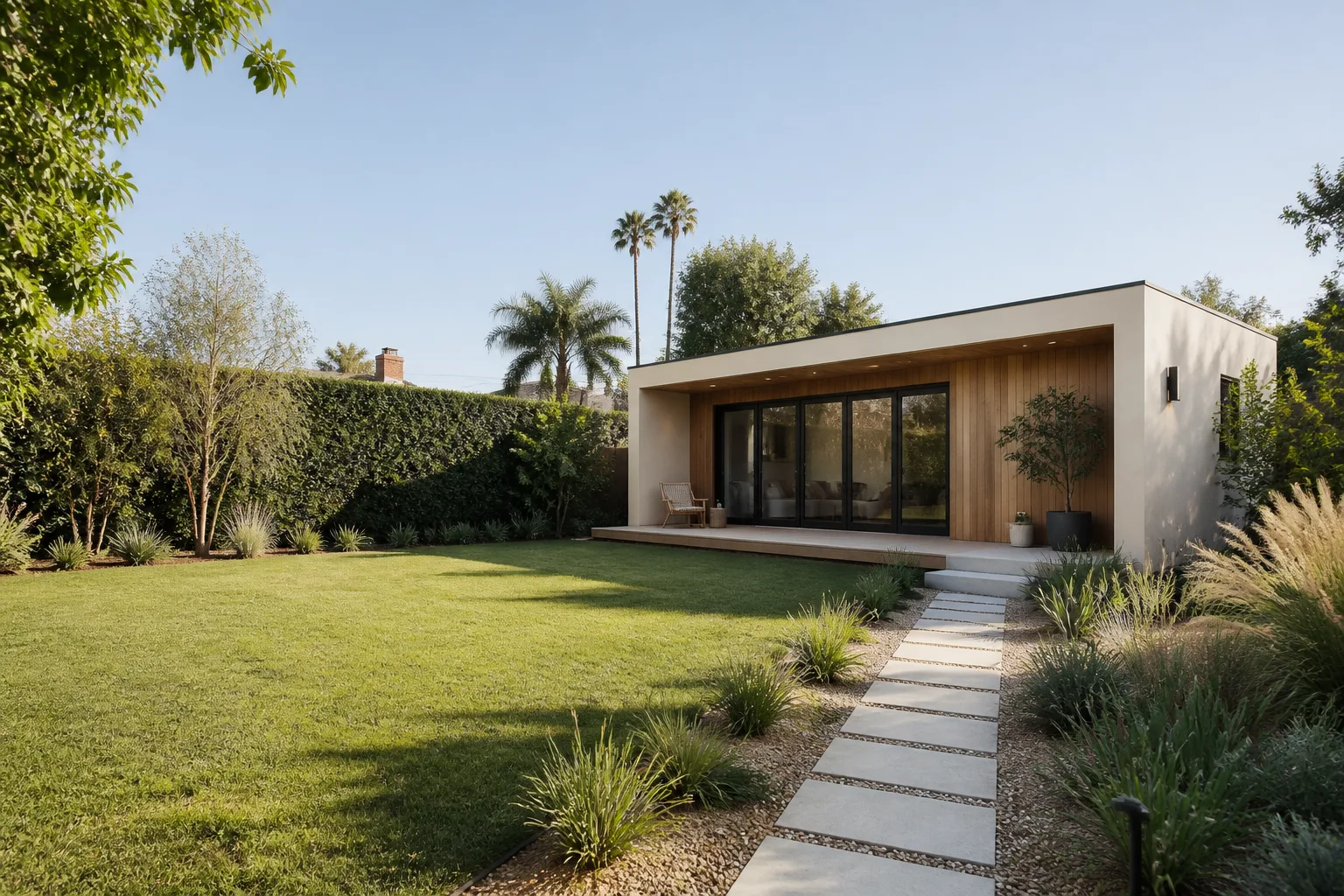
The DIY vs professional ADU decision in Los Angeles is rarely either-or. The right answer for most homeowners is a hybrid: tackle the cosmetic tasks yourself, and hire licensed professionals for anything structural, electrical, plumbing, or waterproofing. That captures the real savings without taking on the real risk. An owner-builder permit can save $30,000 to $60,000, but the disclosure follows your property. Failed inspections add cost faster than DIY removes it. And a rental ADU has no margin for code shortcuts. The smart move is to know which tasks are yours and which ones belong to a licensed pro, and you can find more guides & resources on our blog to help you decide.
If you’re weighing the decision in Los Angeles, call Lodgewick ADU Los Angeles at (213) 698-7116 for a free estimate and a written price before any work starts. We’ll walk through your lot, your budget, and your timeline, and give you a straight answer about what makes sense.
Written by Russ Delmar, Owner at Lodgewick ADU Los Angeles, serving Los Angeles since 2010.