Why Los Angeles Homeowners Choose Cover ADU
We provide independent Cover ADU service and repair across Los Angeles, from panel joint resealing to full Title 24 energy compliance work, including Cover repair in Los Angeles. Our technicians know the S-Series, C-Series, L-Series, and Studio Series inside out because we’ve spent years fixing what actually fails on these units in Los Angeles’ specific climate and soil conditions. We are not authorized by or affiliated with Cover, which means our recommendations are based on what works, not what a manufacturer’s warranty department prefers you hear. For service on your Cover unit, call (213) 698-7116.
Los Angeles has become the most active ADU market in the country. State laws like AB 68, AB 881, SB 9, and SB 13 stripped away parking minimums, setback requirements, and owner-occupancy rules, which means nearly every single-family lot in the city can add a second unit. That changed everything for homeowners. But a prefab Cover unit still needs local hands when something shifts, leaks, or stops sealing properly. That’s the work we do every day.
Why Trust Lodgewick ADU Los Angeles for Your Cover ADU?
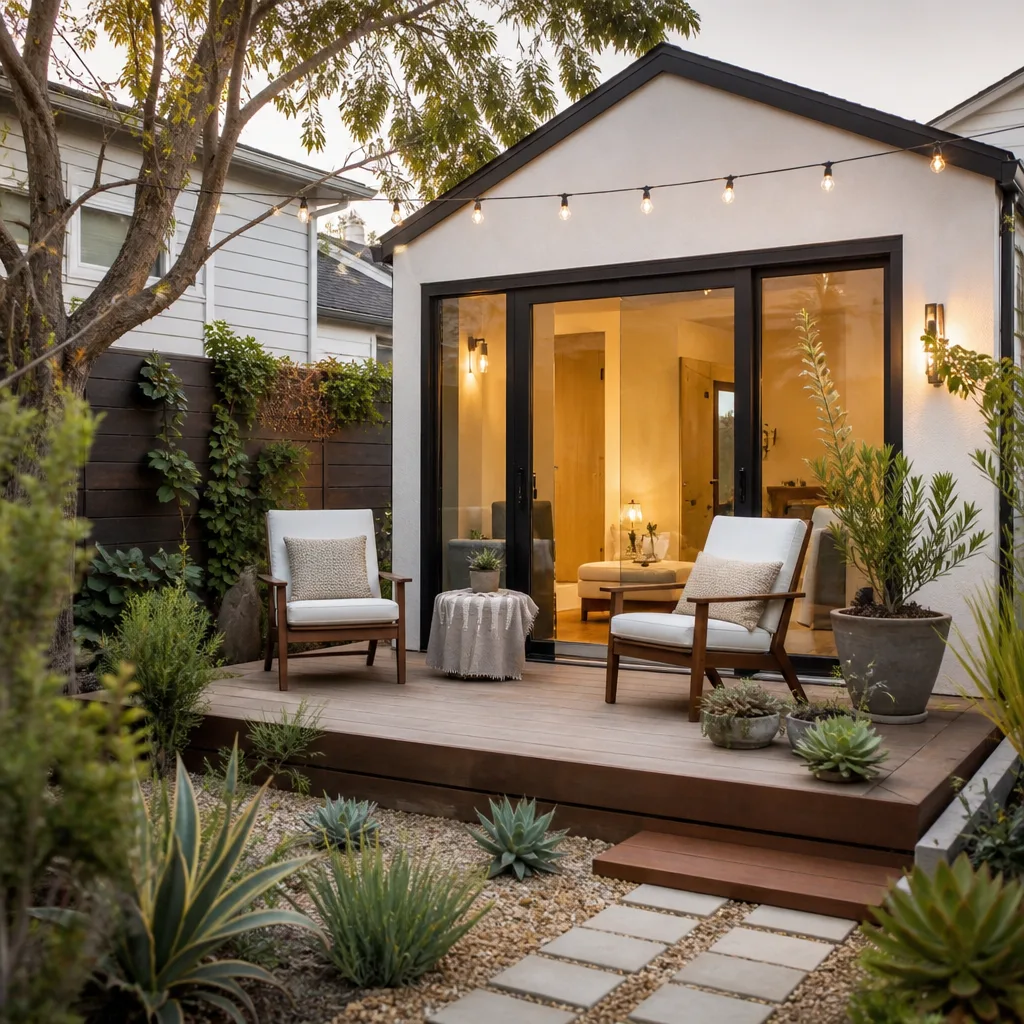
Russ Delmar grew up in the Palms neighborhood, a few blocks from the old Helms Bakery building, and learned the trade through the building technology program at Los Angeles Trade-Technical College. His instructors drilled one thing into him: a permit pulled correctly the first time saves a homeowner three months of grief. For the past fifteen years he’s focused exclusively on accessory dwelling units, meaning the backyard cottages, garage conversions, and second-story additions that let L.A. families house a parent, a grown kid, or a renter without selling the property they’ve spent decades paying for. He runs every project the way he wished someone had run his sister’s botched garage conversion: with a written scope, a real timeline, and a phone that gets answered.
That’s the backbone of The Kingswell Way, named for the Kingswell family of home-service companies we’ve been part of since 2010. Here’s what that means in practice: we say the price before the work starts, in writing. We show up in the window we gave you. We leave the job site cleaner than we found it. We put the guarantee in writing on every project. And if the work fails within the 365-day guarantee period, we come back and make it right. That’s the 365-Day Done Right Promise, and it applies to every Cover service call we take in Los Angeles.
We do not operate on verbal estimates or “we’ll see when we open it up” pricing. You get a written price. Every time, no exceptions.
Common Cover ADU Problems We Fix in Los Angeles
Cover builds steel-framed prefab units that arrive on a truck and go together fast. But “fast assembly” is not the same as “no failures.” Here are the issues our crews handle most often on Cover ADUs throughout Los Angeles.
- Panel joint separation on hillside lots. Cover’s S-Series and C-Series panels are engineered with tight tolerances, but Los Angeles hillside soil moves. In neighborhoods like Echo Park, Mount Washington, and Silver Lake, expansive clay and slope creep create uneven foundation settling. That movement telegraphs up through the steel frame and opens hairline gaps at panel seams, usually at the wall-to-ceiling junction first. The fix involves shimming and re-torquing connection points, then resealing the joint with a flexible commercial-grade sealant that can absorb future micro-movement.
- Moisture intrusion at roof-to-wall junctions. This shows up after heavy winter rain, especially on Cover L-Series units with flat or low-slope roof sections. The flashing detail at the roof-to-wall transition is a known failure point if the unit was installed on a windy day or the sealant was applied below 50 degrees. Los Angeles gets most of its annual rainfall in a few concentrated storms, so a small gap sits dry for nine months and then lets water in all at once. We pull the old flashing, inspect the underlying membrane, and reinstall with proper overlap and sealant rated for Southern California UV exposure.
- Failed window rough opening seals. Cover’s factory-applied sealant around window rough openings degrades under Los Angeles sun and smog exposure faster than manufacturers anticipate. The symptom is a persistent draft and rising energy bills. Our crew recently serviced a Cover S-Series unit in Silver Lake with exactly this complaint. We traced it to failed sealant around three window rough openings, removed the old material, and applied a commercial-grade backer rod and sealant system. The Title 24 test passed on the first retest.
- Interior wall finish wrinkling and discoloration. Cover’s interior wall panels are vinyl-wrapped or painted steel. When a unit is occupied full-time, indoor humidity from cooking, showers, and laundry condenses on the cooler steel surface behind the finish. Over time, the adhesive lets go and the finish wrinkles or yellows. We see this most often in Studio Series units without mechanical ventilation. The fix usually means adding a properly-sized exhaust fan and replacing the affected finish panels. In Los Angeles’ dry climate, most homeowners don’t think about humidity, but a fully occupied 400-square-foot studio generates plenty of it.
- Entry door binding on summer afternoons. Steel expands when it heats up. Cover’s steel-framed door openings are built to tight clearance, and on west-facing units in the San Fernando Valley or the Eastside, afternoon sun can push surface temperatures past 140 degrees. The door frame expands slightly, the door itself expands slightly, and the door starts to bind at the latch side. The fix is hinge adjustment and, in some cases, replacing the weatherstripping with a lower-profile profile rather than grinding the door edge, which would void any remaining manufacturer coverage on the door assembly.
Cover Parts & Our Repair-vs-Replace Approach
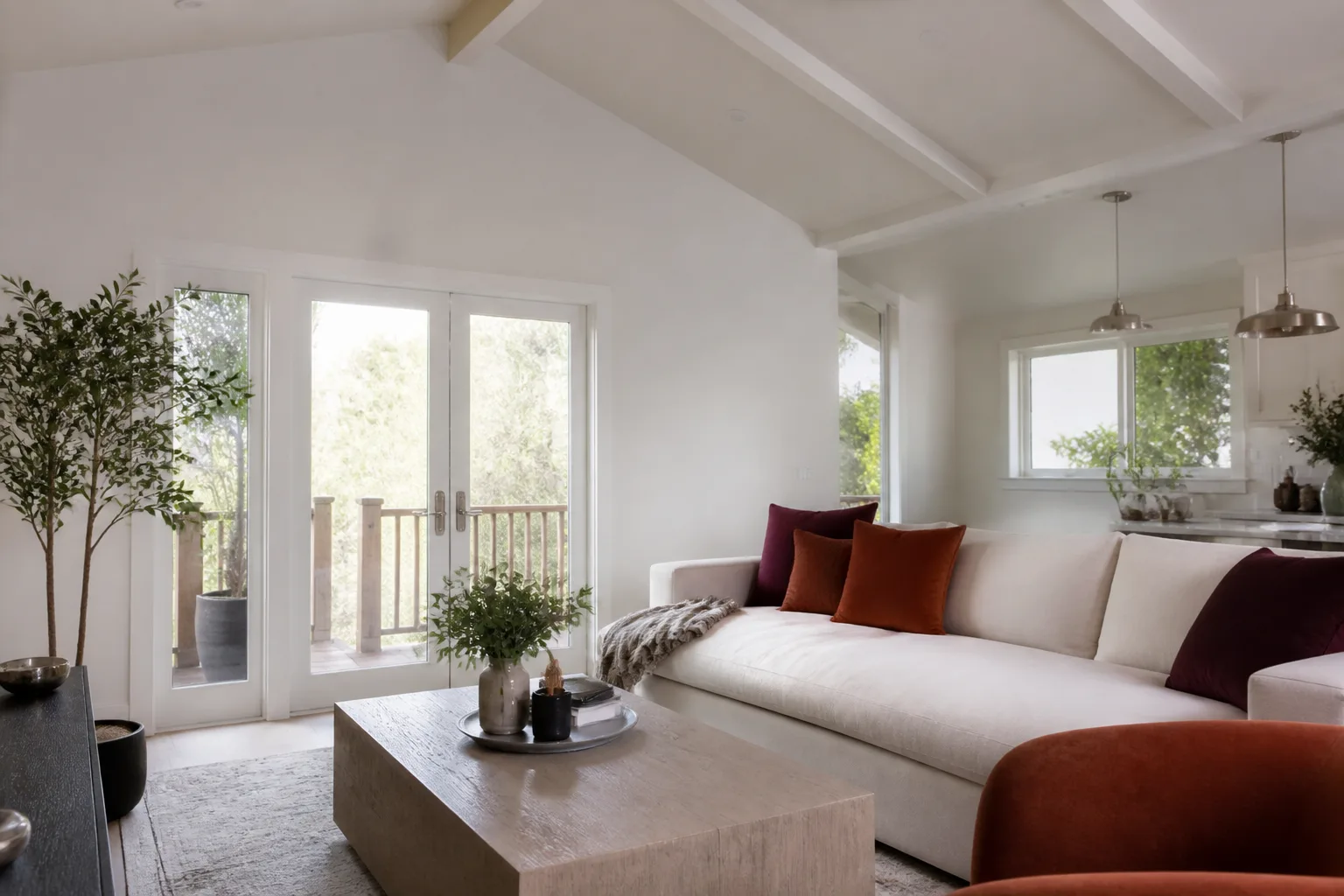
Here’s our straight answer on parts. For structural and envelope repairs on Cover ADUs, we use genuine Cover components. That means factory-spec panel connectors, flashing profiles, and sealant systems. The reason is simple: a structural repair is only as good as the weakest connection, and we don’t want that weak connection to be a part that was never engineered for Cover’s steel frame system.
For routine hardware and finishes, we use high-quality aftermarket parts when they meet or exceed OEM spec. Door hardware, weatherstripping, ventilation fans, flooring transitions, paint-matched touch-up products. In many cases, the aftermarket option is better than what the unit shipped with, and it costs less. We tell you which path we recommend and why, in writing, before any work happens.
The repair-vs-replace decision works the same way. If a damaged panel can be re-sealed, re-shimmed, and re-torqued in a way that extends its life by years, that’s the call we make. If a panel has corrosion or structural deformation, replacing it now is cheaper than repairing it twice. We don’t sell replacement panels for the markup. We make the call we’d make on our own unit and explain the reasoning so you can make an informed decision. Call (213) 698-7116 and we’ll walk you through what we’re seeing.
Our Cover Service Process – Step by Step
Every Cover service call follows the same sequence, and you’ll know what’s happening at each stage before we start.
- 1
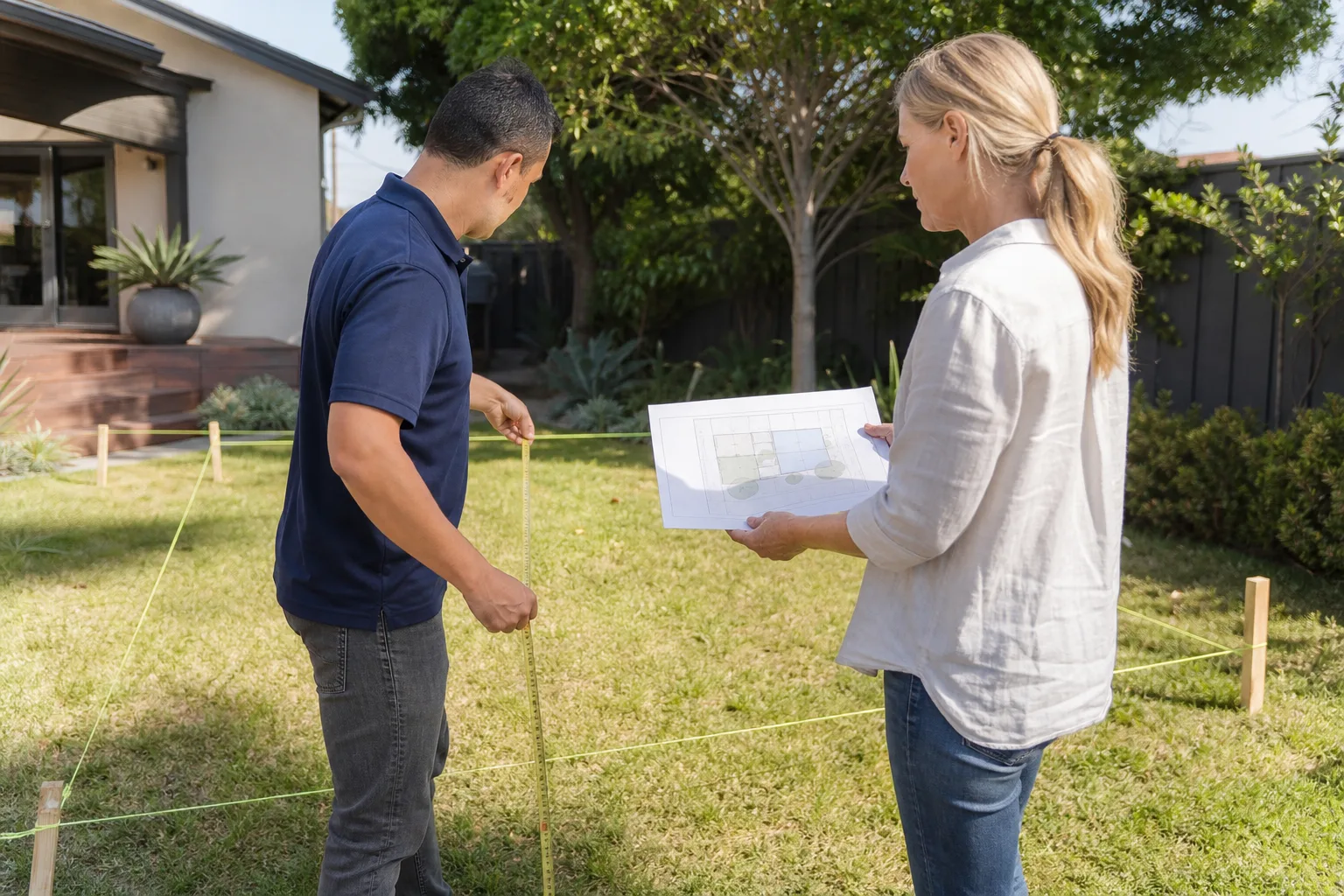
Diagnosis. We inspect the unit in person, document what we find with photos, and write up a specific scope of work. For Cover units, diagnosis often involves checking panel seam tolerances, running a smoke test on window and door seals if air leakage is the complaint, and checking the roof-to-wall junction flashing detail. You get a written diagnosis and a written price. No verbal “maybe” pricing, no change orders at the door.
- 2
Repair or installation. We schedule the work in a defined arrival window, show up when we said we would, and complete the repair or installation according to the written scope. Background-checked, uniformed technicians on the job site, every time. We protect the interior with floor coverings and dust barriers where needed.
- 3
Testing. For energy-related work, we test to Title 24 standards. For moisture repairs, we water-test the repaired junction before we call it done. For door and window adjustments, we cycle the opening at least ten times and check operation at the hottest part of the day when thermal expansion stress is highest.
- 4
Written guarantee and walkthrough. Before we leave, we walk you through exactly what we did, show you the finished work, and hand you a written guarantee. If anything we touched fails within 365 days, we return and make it right. No phone tag, no “sorry, that’s outside the warranty period.” It’s in writing.
Cover Products We Service & Install in Los Angeles
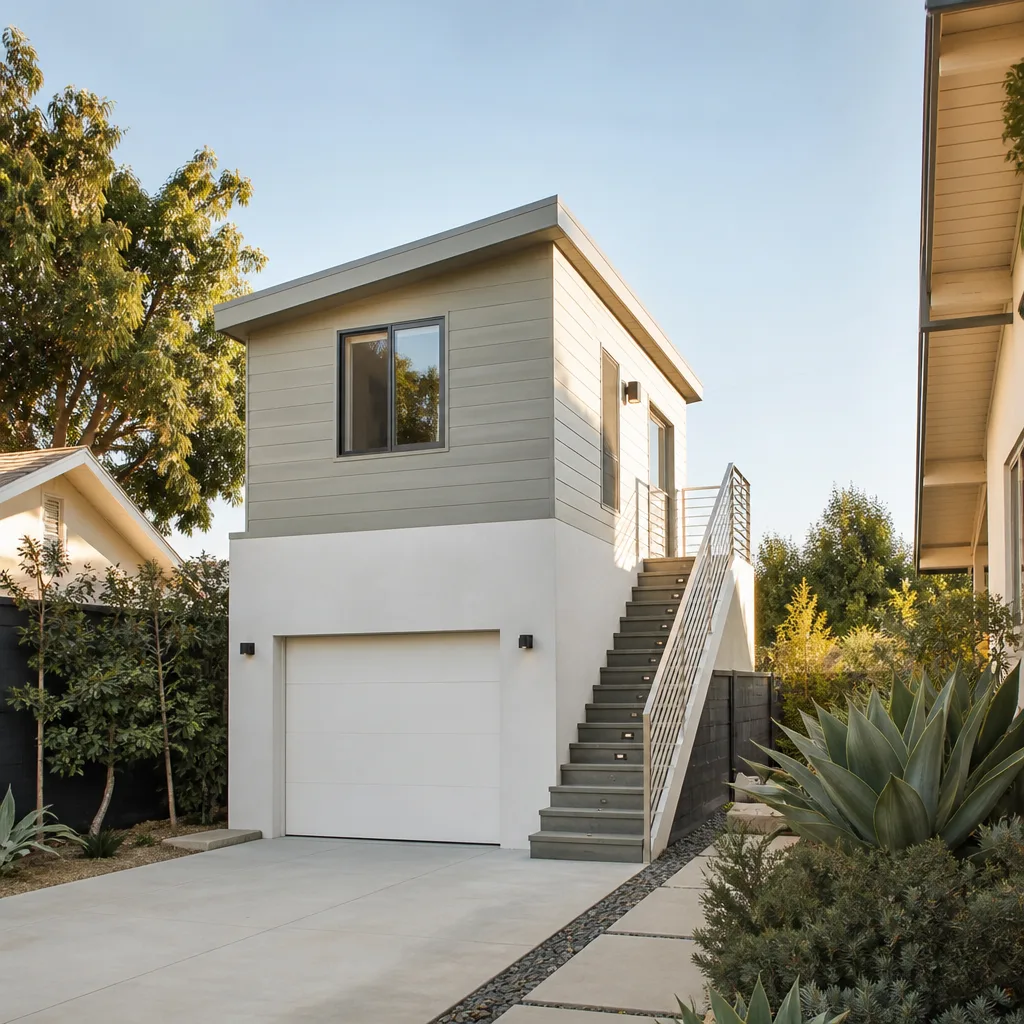
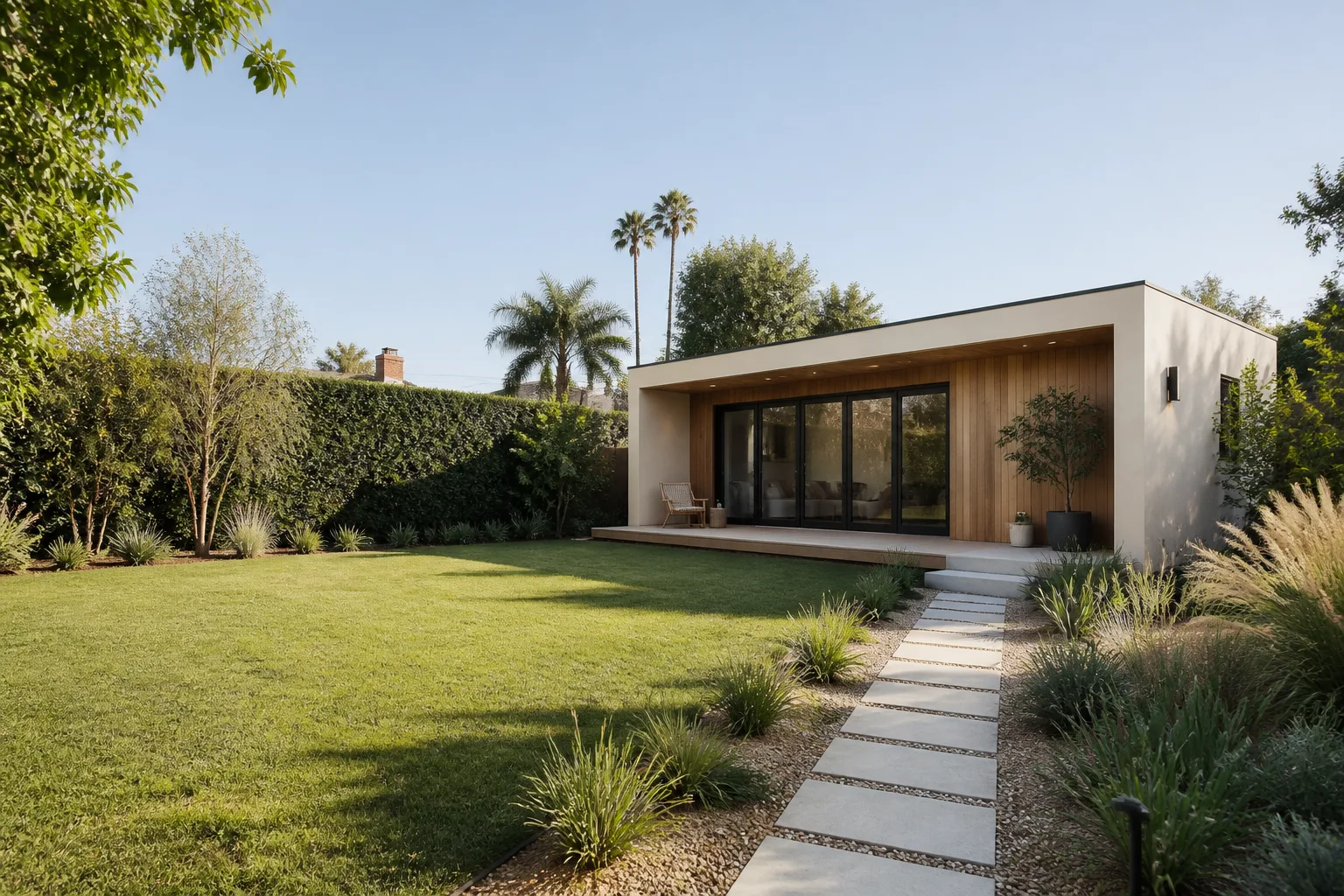
We service and install every Cover product line currently in the Los Angeles market, including Cover in Santa Monica and surrounding areas. That includes the Cover S-Series, the company’s studio and one-bedroom units designed for narrow lots and side yards; the Cover C-Series, a larger configuration built for two-bedroom and three-bedroom layouts; the Cover L-Series, longer units suited to wide lots and attached configurations; and the Cover Studio Series, the smaller footprint option that works well as a rental or home office.
We keep a local stock of the most common Cover-specific hardware and materials: panel sealant, flashing profiles, window and door weatherstripping, hinge sets, and touch-up finishes matched to Cover’s standard interior color palette. That means faster turnaround on common repairs without waiting for a factory shipment. For structural panels and non-standard components, we order directly from Cover’s supply chain or from our network of approved suppliers, and we give you a realistic lead time in writing before you commit.
We Also Service These Brands
We specialize in Cover, but Los Angeles homeowners own all kinds of prefab and panelized ADUs. We also service Abodu and Dvele units, and we’re familiar with Mighty Buildings, Boxabl, Plant Prefab, Tuff Shed, and James Hardie materials. If your ADU wasn’t built by Cover but you liked the way we talk about Cover work, we can likely help with your unit too. Tell me what you need the space to do, and I’ll tell you exactly what it’s going to take – no guessing, no runaround.
FAQs – Cover ADU Service in Los Angeles
No. We are an independent service provider and we are not affiliated with or authorized by Cover. This independence is an advantage for you because our recommendations are not filtered through a manufacturer’s warranty department. We tell you what the unit actually needs, including when a genuine Cover part is worth the cost and when a better aftermarket option exists. Our work is backed by our own 365-Day Done Right Promise, in writing, on every project.
Hairline cracks at wall-to-ceiling joints on a Cover S-Series are almost always caused by foundation settling, not a structural failure of the steel frame. In Los Angeles, hillside lots with expansive clay soil move seasonally, and even small movement telegraphs through the unit’s connection points and opens hairline gaps at panel seams. The fix is typically re-shimming and re-torquing the affected connections, then resealing the joint with a flexible sealant rated for Southern California. Call (213) 698-7116 for an in-person diagnosis and a written price.
In many cases, yes. Title 24 compliance failures in Cover units most often stem from air leakage at window rough openings, door perimeters, and panel seam joints, all of which are accessible from the exterior or interior without removing wall panels. We use blower door testing to pinpoint the leak locations, then seal them from the accessible side with commercial-grade backer rod and sealant. If the failure is in the wall assembly itself, a more invasive fix is required, and we’ll tell you that upfront with a specific scope and price. Call (213) 698-7116 to schedule a diagnostic test.
Water stains below a roof junction mean the flashing detail at the roof-to-wall transition has failed, or the underlying membrane was damaged during original installation. Don’t wait. Los Angeles’ rainy season is short but intense, and a small breach becomes a large water intrusion event in a single storm. We inspect the junction, identify the breach point, and repair it using proper flashing overlap and UV-rated sealant. If the water got into the wall cavity, we check for corrosion and replace any affected insulation or finish. Call (213) 698-7116 and we’ll come take a look.
Yes, in most cases, but the approach depends on the unit’s original configuration. Cover’s modular steel-frame system means interior partition walls can often be added or relocated without altering the structural envelope. The one-bedroom conversion usually involves adding an interior partition wall, a door, electrical rough-in, and egress window compliance where required by Los Angeles building code. We handle the full scope, including permits. Call (213) 698-7116 for a written estimate on your specific unit.
Service costs vary by scope, but here are honest ballparks for the most common Cover repairs in Los Angeles. Panel joint resealing typically runs $450 to $1,200 depending on the number of affected seams. Window rough opening seal replacement runs $300 to $700 per window. A roof-to-wall junction flashing repair runs $900 to $2,500 depending on access and the extent of water damage. A full Title 24 diagnostic test with a written report runs $250 to $500. Every quote is a written line-item price before any work starts. Call (213) 698-7116 for an exact quote on your unit, free of charge.
Book Your Cover Service in Los Angeles, CA
If your Cover ADU has a draft, a leak, a sticky door, or a failed Title 24 test, we can diagnose it and fix it. Call (213) 698-7116 and a live person answers. We’ll schedule your free estimate, show up in the window we give you, and put every commitment in writing before a single fastener gets touched.
Written by Russ Delmar, Owner at Lodgewick ADU Los Angeles, serving Los Angeles since 2010.