Tuff Shed Home Addition Contractor in Los Angeles: What to Know First
Tuff Shed home addition work in Los Angeles typically costs between $14,000 and $52,000 depending on whether you’re converting an existing shed into conditioned living space, adding a bump-out to a Tuff Shed structure, or building a full room addition alongside one. Most projects take 3 to 8 weeks from permit submission to final inspection. We’re an independent Tuff Shed service provider, not a manufacturer-authorized dealer, which means we choose materials based on what actually holds up in L.A. sun and seismic conditions rather than what a corporate catalog dictates.
If you own a Tuff Shed and you’re thinking about making it livable, adding square footage to it, or tying it into your house, this page tells you what works, what fails, and what it costs. Call (213) 698-7116 to get a written price before anyone swings a hammer.
How Tuff Shed Products Fail – and How We Fix Them
We’ve worked on enough Tuff Shed structures across Los Angeles to know exactly where they struggle. Here’s what we see on a regular basis:
- Premier Pro series: slab anchoring and frost heave transfer. Tuff Shed’s Premier Pro line uses a steel-reinforced floor system that handles weight well, but the factory anchoring pattern assumes level ground. Los Angeles lots in Silver Lake, Echo Park, and the hills around Mount Washington rarely have level ground. When the shed is anchored to a sloped pad, the corner posts take uneven shear load, and within two or three years the wall-to-floor connection starts separating. We fix this by adding steel hold-down brackets at every corner post and re-flashing the bottom plate, then we re-level the structure with shims that actually match the pad slope.
- Pro Studio series: ridge beam sag under added insulation. Owners ask us to convert Pro Studio sheds into offices or studios all the time. The roof framing is rated for the original weight of the shed, not for R-30 insulation plus drywall plus a ceiling fan. In older Pro Studio models we’ve seen as much as 3/4 inch of sag at the ridge after insulation and drywall go in. We sister new LVL beams alongside the original ridge and add collar ties before any finish work happens. Skipping this step is how you get a ceiling that cracks within a year.
- Sundance series: window flashing failures in marine-layer neighborhoods. The Sundance line is popular in Venice, Mar Vista, and Playa del Rey because of the window count, but the factory window flashing is a single layer of butyl tape. That’s not enough for the morning marine layer that sits on westside structures for months at a time. Water wicks behind the siding and rots the framing around the window openings. By the time an owner notices, the damage is usually two to three studs wide. We pull the windows, replace rotted framing, and install a three-layer flashing system: tape, metal head flashing, and a weep channel at the sill.
- Barn Master series: header undersizing for added lofts. Barn Master models have tall walls that make owners want to add a loft. The original wall framing is 2×4 at 24 inches on center, which is fine for a storage shed and completely wrong for a loft that holds a mattress and two people. In several Los Angeles garage-to-shed conversions we’ve done in the Valley, the walls started bowing outward within a year of the loft going in. We reframe the walls to 2×6 at 16 inches on center, add a proper double top plate, and carry the new loft load down to new footings. It’s more than a weekend project, but it’s the difference between a space that lasts and one that needs a structural engineer’s report to sell the house later.
- Tall Barn series: eave rot from clogged factory gutters. Tuff Shed’s taller models come with narrow-profile factory gutters that clog fast under L.A.’s eucalyptus and jacaranda trees. When the gutters overflow, water runs down the wall and collects at the eave returns. In neighborhoods like Pasadena and Altadena where we get real rain for a few weeks each winter, the eave ends rot out quietly. We replace the factory gutters with wider, commercial-grade aluminum and add leaf guards, then rebuild any rotted eave framing with pressure-treated lumber.
Our Tuff Shed Home Addition Contractor Process
Here’s how a Tuff Shed addition or conversion goes when you work with us. No mystery, no disappearing act:
- 1
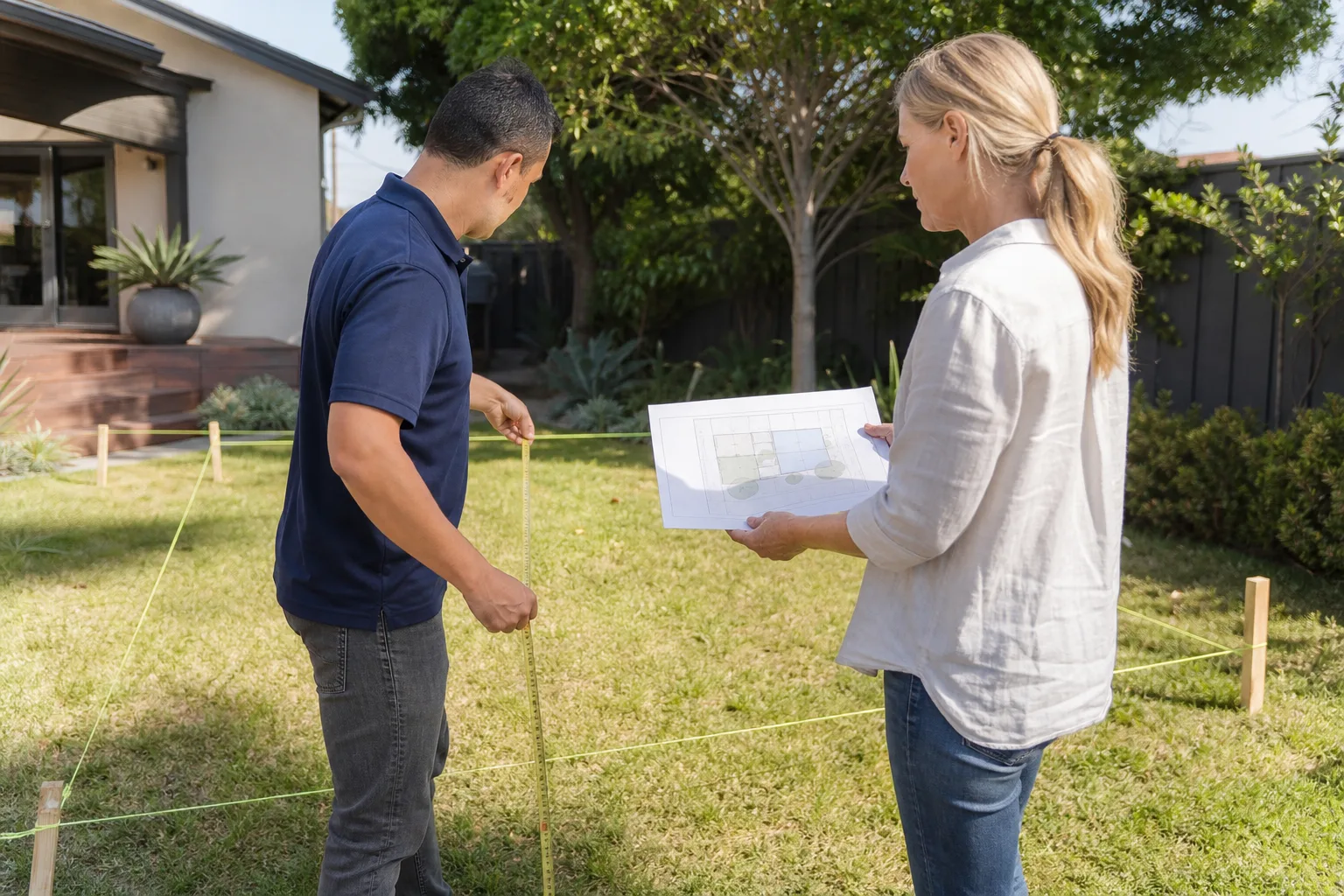
Call and walkthrough. You call (213) 698-7116, a person answers, and we schedule a site visit. Russ or one of our senior techs walks the structure with you, measures everything, and asks what you need the space to do.
- 2
Written scope and price. Before any work starts, you get a written line-item price that covers materials, labor, permit fees, and our timeline. That price doesn’t change at the door. If we find something unexpected during the job, we stop and talk to you first rather than padding the invoice.
- 3
Permits and plans. Los Angeles requires permits for converting any shed into living space, and most Tuff Shed additions need at minimum a structural review. We handle the plans and the permit submittal through LADBS. Russ learned this trade at L.A. Trade-Tech, and his instructors’ rule stuck: a permit pulled correctly the first time saves three months of grief.
- 4
Parts decision: OEM vs. aftermarket. Tuff Shed’s OEM components are fine for a stock shed, but when we’re adding living space, we typically upgrade to aftermarket materials that meet California energy code (Title 24) and seismic requirements. We explain exactly what we’re using and why before we order anything.
- 5
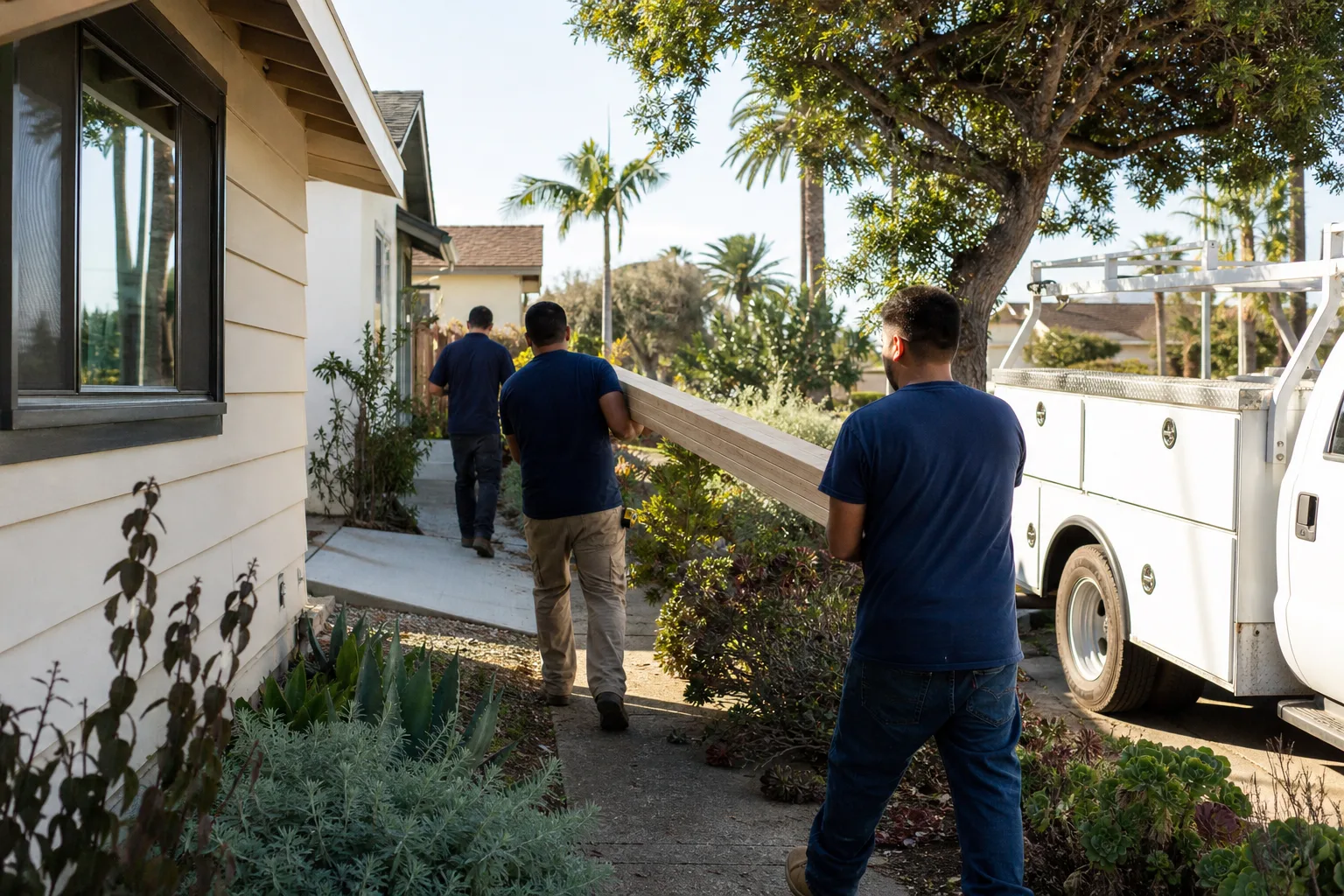
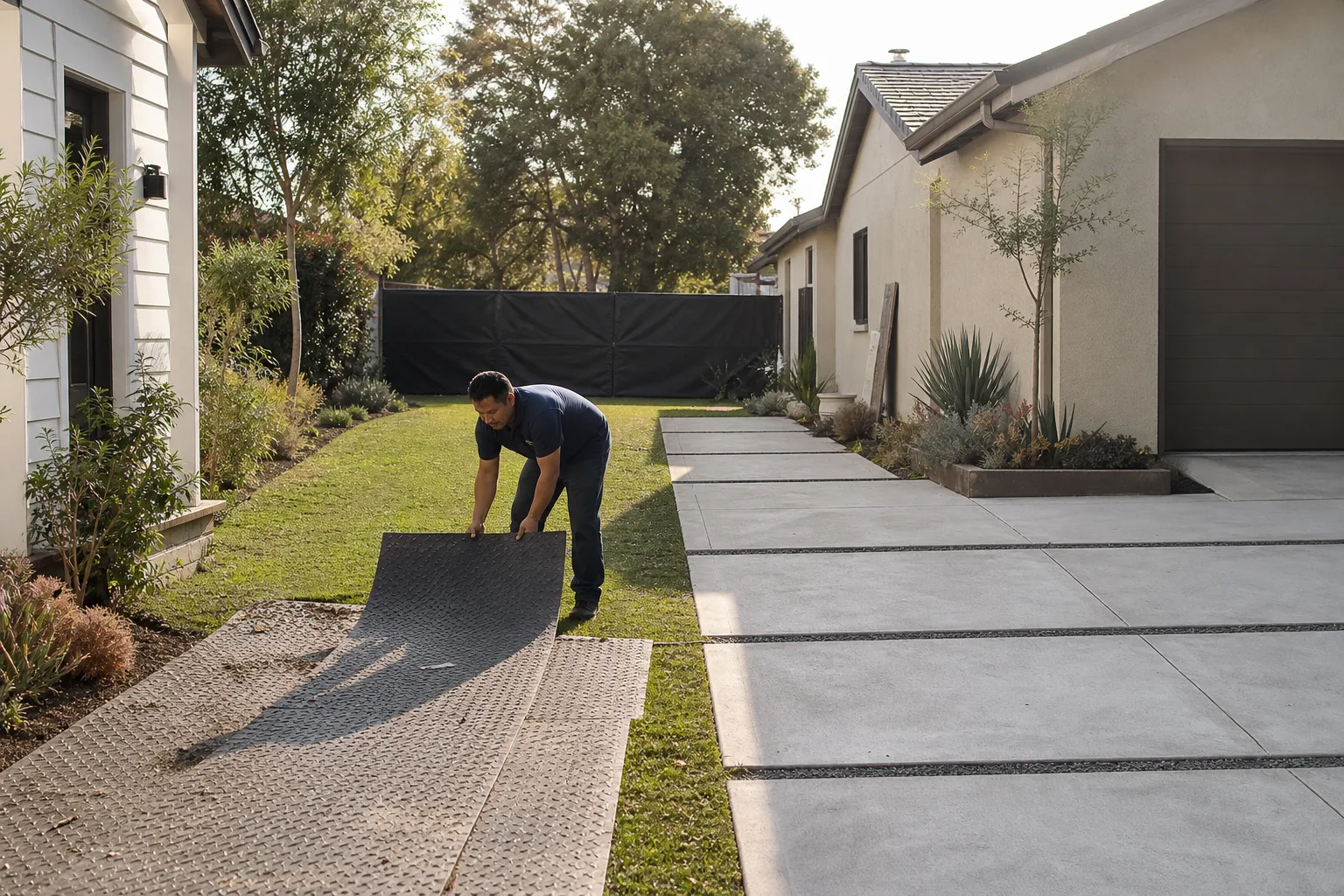
The work. Our crew shows up in the window we gave you, does the work, and leaves the site cleaner than they found it. That’s The Kingswell Way, and it’s written into your quote.
- 6
Inspection, test, and the written guarantee. We walk the finished job with you, test everything, and hand you a written guarantee under the 365-Day Done Right Promise. If something isn’t right within a year, we come back and make it right at no charge.
What Tuff Shed Home Addition Contractor Costs in Los Angeles
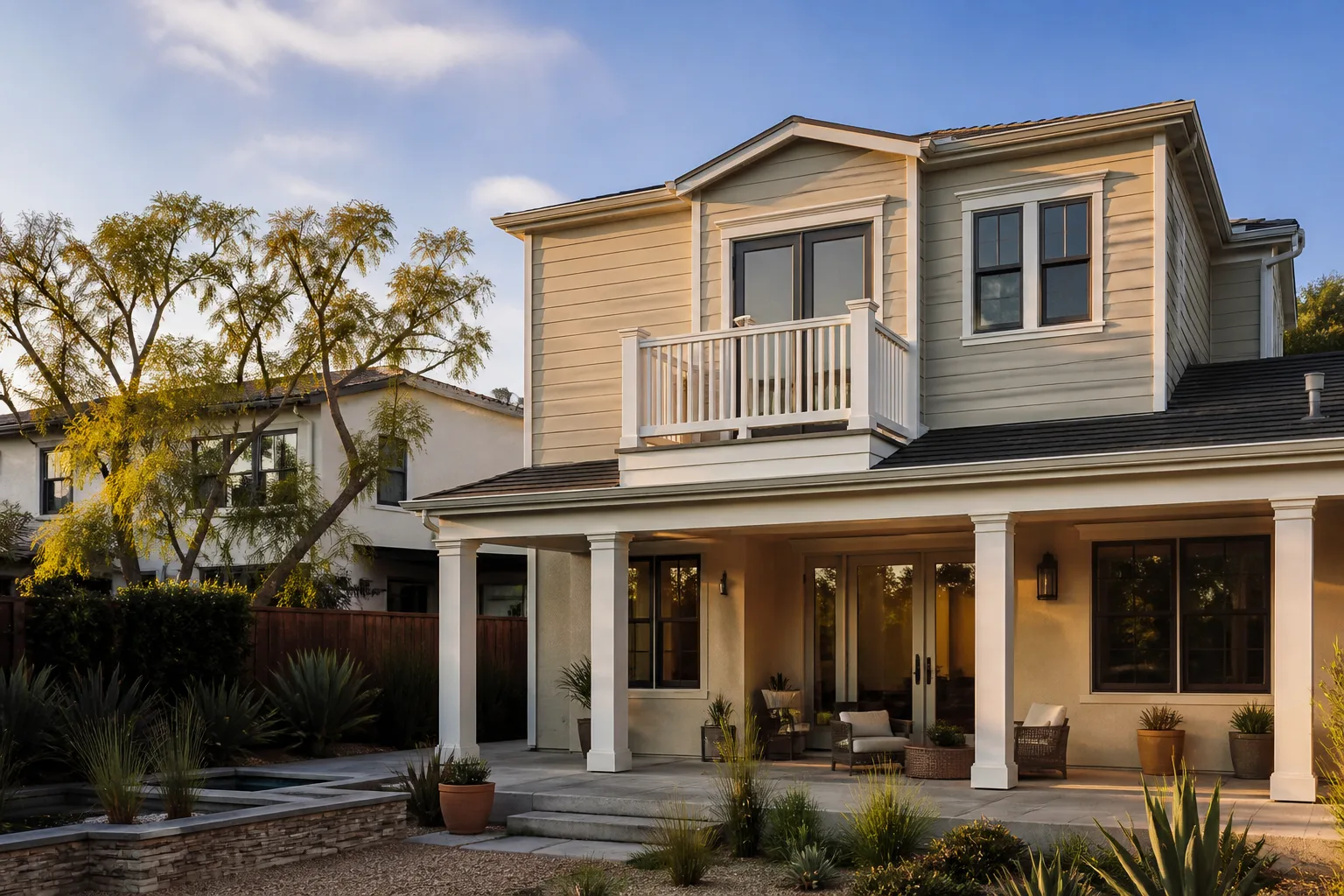
Real numbers for the most common Tuff Shed addition scenarios in Los Angeles:
- Converting an existing Tuff Shed into an office or studio: $18,000 – $38,000, depending on insulation, electrical, drywall, and whether you need a mini-split for cooling.
- Bump-out addition (adding 100 – 200 square feet to a Tuff Shed structure): $14,000 – $26,000.
- Full room addition built adjacent to or attached to a Tuff Shed: $32,000 – $52,000, with the upper range reflecting kitchens, bathrooms, or second-story work.
- Structural reinforcement only (fixing sag, bowing, or rot before finish work): $4,000 – $11,000 depending on scope.
What moves the price: ceiling height, whether you need new footings, how far the site is from our shop, and whether your existing Tuff Shed was anchored correctly when it was originally installed. Call (213) 698-7116 and we’ll give you a written number, not a ballpark guess.
Why Los Angeles Homeowners Call Lodgewick ADU Los Angeles for Tuff Shed Work
We’re the ADU company within the Kingswell family, and we’ve been doing this since 2010. Every job runs under The Kingswell Guarantee: written price before work starts, a defined arrival window, a clean job site, and a written guarantee on every project. If something fails within 365 days, we come back free. Our techs are background-checked and uniformed, so you know who’s walking onto your property. And when you call, a live person answers, 24/7, not a chatbot. Russ Delmar, the owner, grew up in the Palms neighborhood near the old Helms Bakery building, and he still runs every Tuff Shed job the way he wished someone had run his sister’s garage conversion: written scope, real timeline, a phone that gets answered. Tell me what you need the space to do, and I’ll tell you exactly what it’s going to take. We also work with other prefab brands including Abodu, Cover, and Dvele, so if your Tuff Shed isn’t the right fit for the vision, we’ll tell you that honestly before you spend a dollar.
FAQs
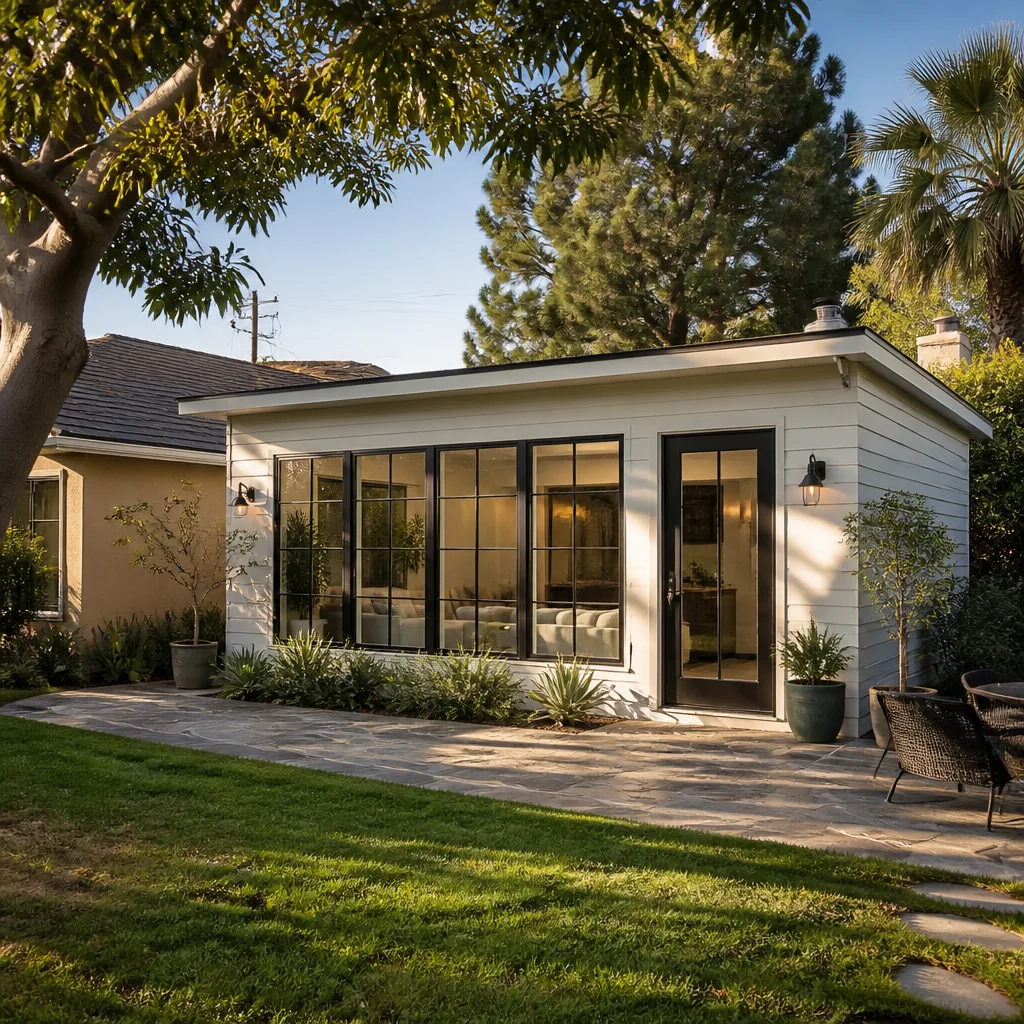
Yes, in most cases, but it requires a permit through LADBS and the finished space must meet California Building Code requirements for habitable rooms, including insulation, electrical, ventilation, and egress. We handle the plans and permits as part of our scope. Call (213) 698-7116 and we’ll tell you whether your specific shed qualifies after a site walk.
Yes, structural modifications typically void the manufacturer’s warranty on the portions you alter. That’s part of why we’re transparent about being an independent Tuff Shed service provider, not an authorized dealer: we’d rather tell you the truth about warranty risk and build the addition correctly than pretend the manufacturer will cover work they didn’t approve. Our 365-Day Done Right Promise covers our workmanship regardless of what happens with the Tuff Shed warranty.
Most Tuff Shed conversion and addition projects take 3 to 8 weeks from permit submission to final inspection. Permit review time through LADBS varies by project complexity and current city workload. The construction itself typically runs 2 to 4 weeks once we start. Call (213) 698-7116 for a timeline specific to your project.
It depends on the job. For structural reinforcement and finish work, we typically use aftermarket materials that meet or exceed California code, because OEM Tuff Shed components are rated for storage sheds, not living space. For cosmetic work on an unmodified shed, OEM parts make sense and we can order them. We explain every parts decision in writing before we order anything.
If the structure has widespread rot, termite damage, or foundation failure, replacement is often cheaper than repair. A full teardown and new build starts around $30,000 for an accessory structure in Los Angeles, while major repairs to a failing Tuff Shed can run $12,000 to $20,000. But if the damage is localized, repair almost always wins. Call (213) 698-7116 and we’ll give you an honest assessment, even if the answer is that repair doesn’t make sense.
Written by Russ Delmar, Owner, Lodgewick ADU Los Angeles at Lodgewick ADU Los Angeles, serving Los Angeles and nearby areas.