Plant Prefab Site Prep & Utilities: The Los Angeles Owner’s Guide
Site prep and utility work for a Plant Prefab ADU in Los Angeles typically runs $18,000 to $45,000 installed, depending on soil conditions, trenching distance, and whether your existing panel has capacity. We stock the common components on our trucks and can typically start within two weeks of permit approval. Most owners discover their site prep or utility work wasn’t done right the first time when the power flickers, the foundation settles, or LADBS flags the rough inspection.
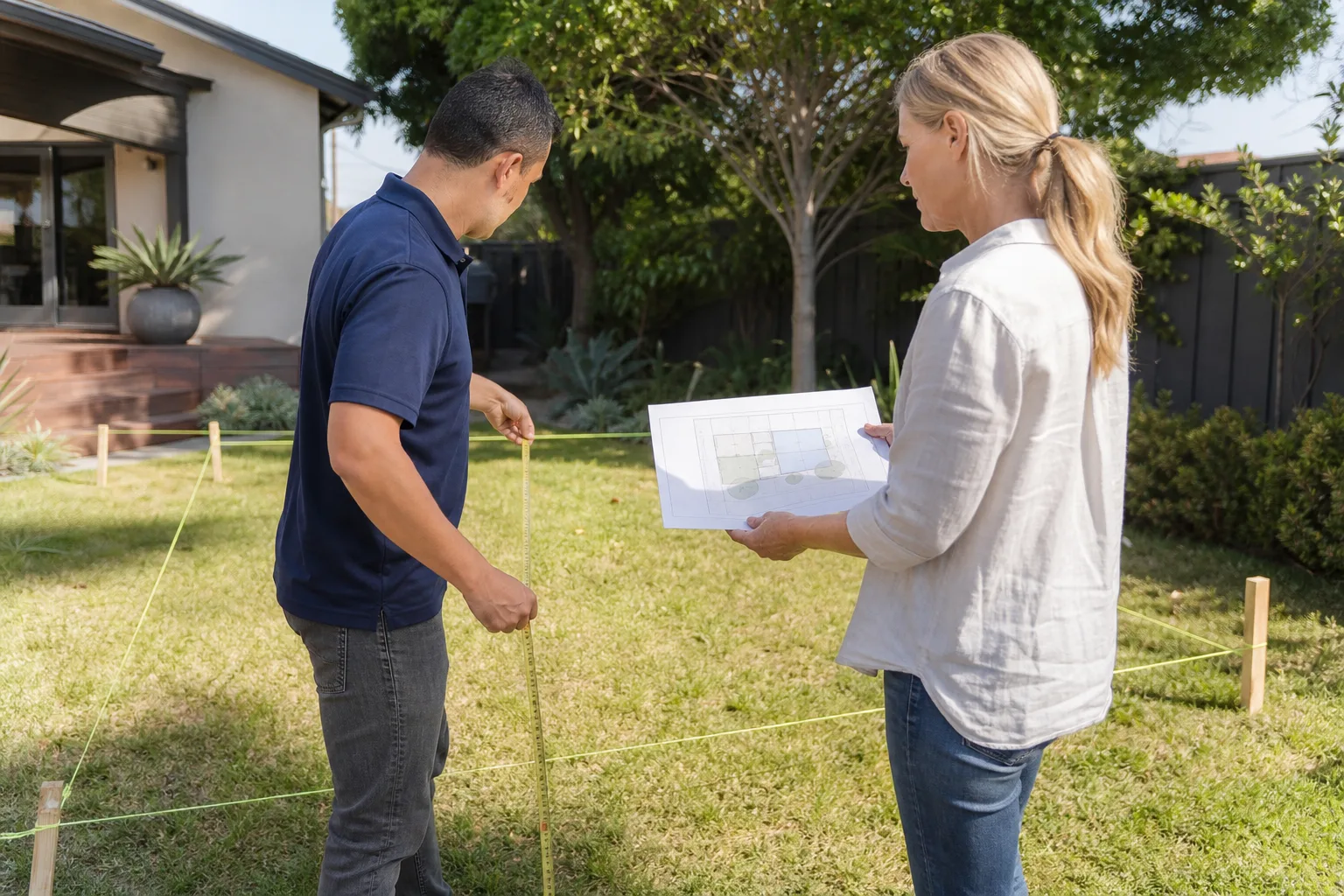
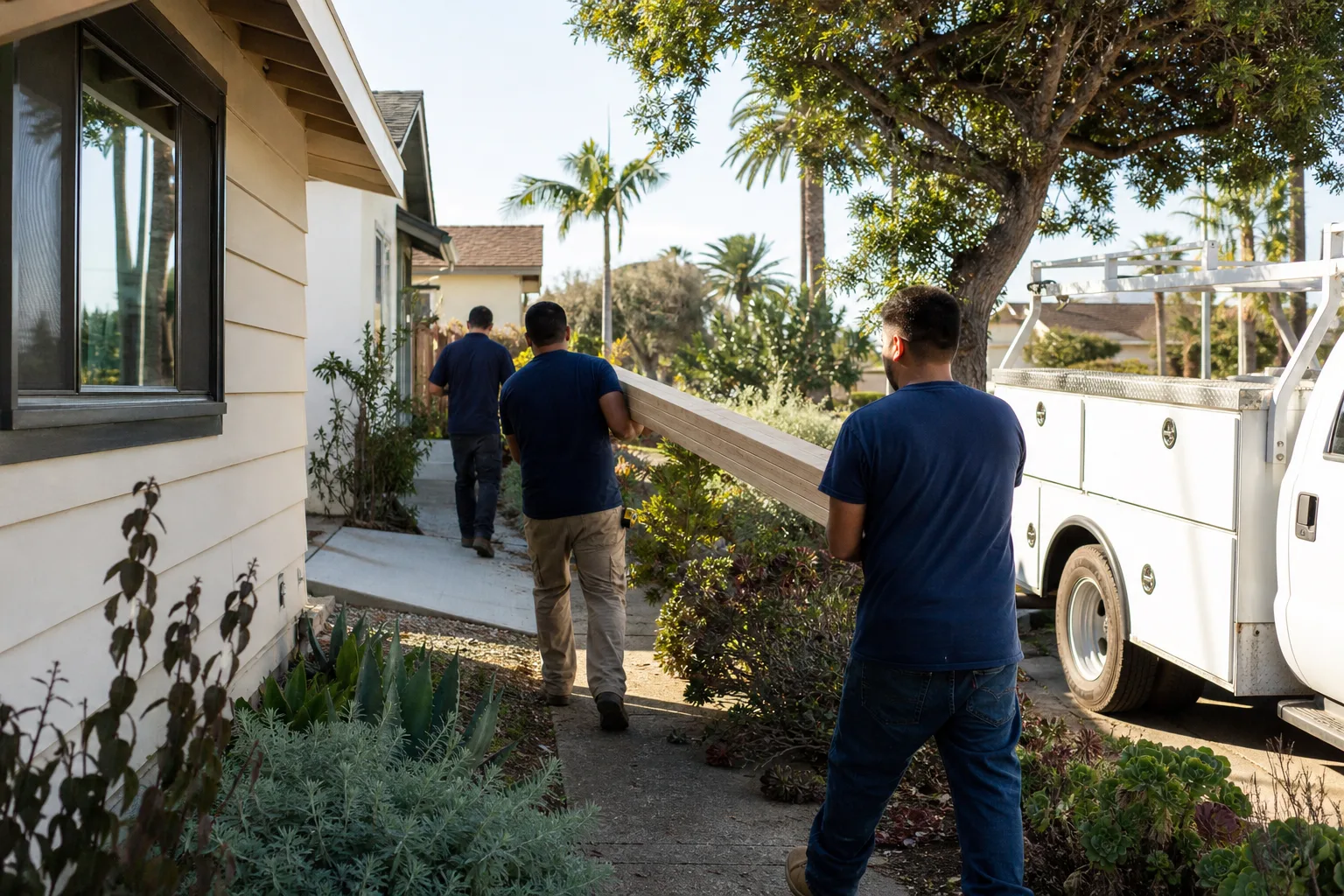
Plant Prefab builds the structure in a factory, but the ground beneath it and the utilities feeding it are done right here in Los Angeles, by local crews. When those connections fail or a previous contractor cut corners, the ADU doesn’t work the way it should. We fix what’s failing and prep the site so the prefab module has a clean, code-compliant foundation to land on.
Which Plant Prefab Models This Applies To
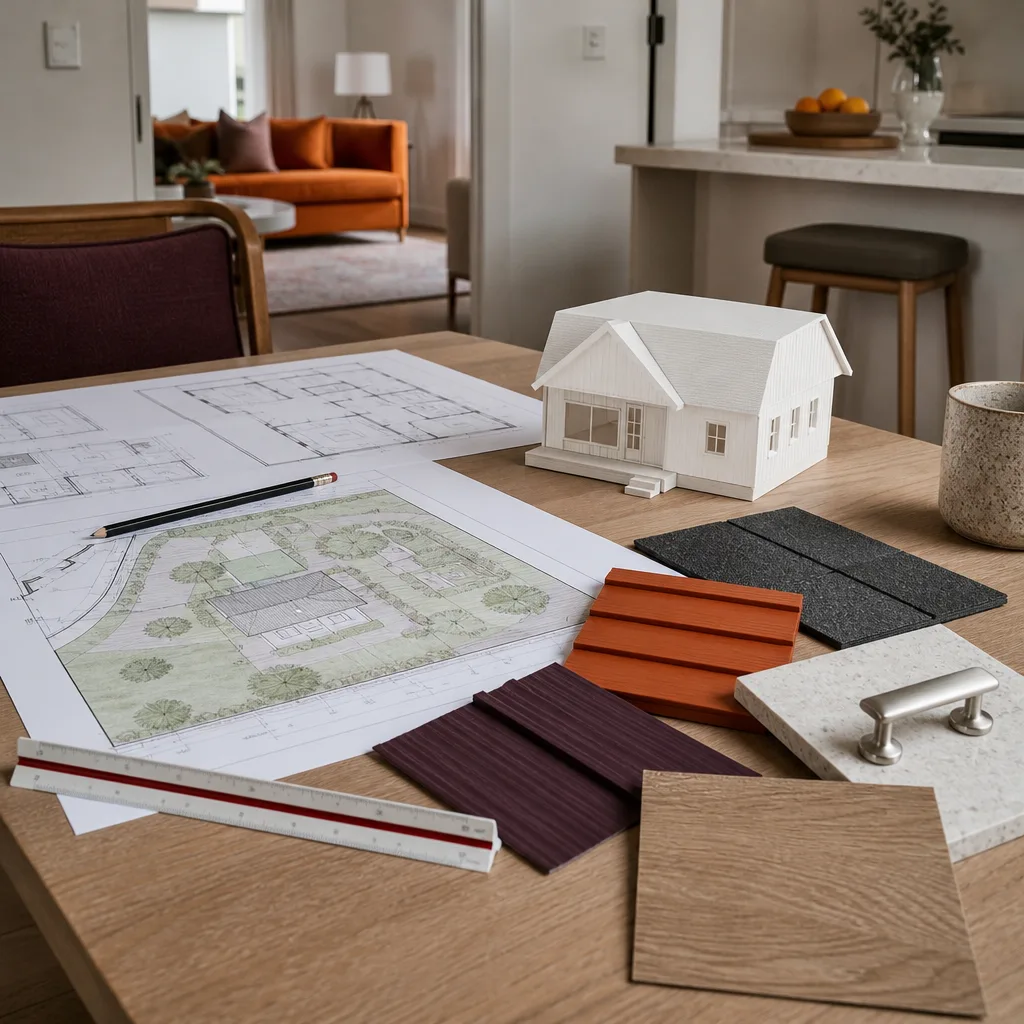
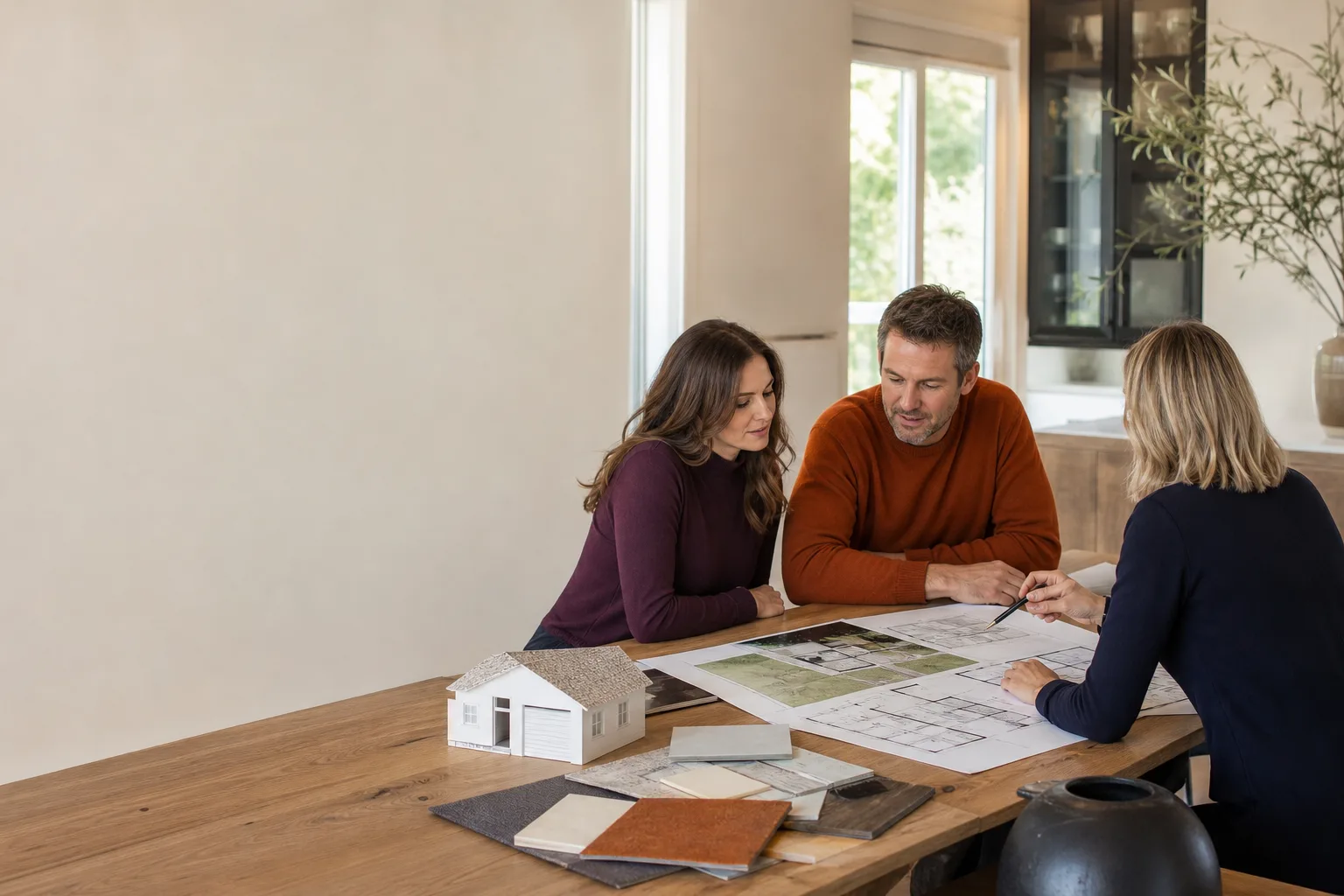
Plant Prefab’s current lineup spans the LivingHome series (the LivingHome 10, LivingHome 20, and larger custom LivingHome models) plus their older panels-and-modules builds. Site prep and utility specs differ by series. The LivingHome 10 sits on a simpler foundation system than the LivingHome 20, which carries more weight and often requires deeper footings and beefier utility stub-outs.
Here’s the compatibility gotcha most Los Angeles owners don’t know: Plant Prefab’s factory specifications assume the site work meets California Building Code Chapter 18 soils requirements and LADBS hillside regulations if you’re on a slope. The steel moment-frame modules aren’t forgiving if the foundation is off by more than a quarter inch. We’ve seen Los Angeles sites where a previous contractor poured a pad at the wrong elevation, and the factory had already cut the utility connections to spec. That meant re-cutting stubs, re-trenching, and a three-week delay.
OEM versus aftermarket matters here. Plant Prefab doesn’t manufacture foundation forms, trenching materials, or electrical panels. They specify them. So “Plant Prefab-compatible” means materials meeting their engineering package: typically 2,000 PSI minimum concrete with rebar per LADBS standard plan, Schedule 40 PVC for sewer, and a 200-amp subpanel for most models. We work with the same material suppliers the factory uses, so you’re not paying a brand markup on a commodity like conduit or gravel.
Lodgewick ADU Los Angeles is an independent service provider, not affiliated with Plant Prefab. We’ve built site packages for Plant Prefab, Abodu, Cover, and Dvele modules, so we know where each factory’s tolerance stack lives.
Signs Your Plant Prefab Site Prep & Utilities Is Failing
- Breakers trip when the heat pump kicks on. If the utility feeder was undersized or the subpanel is feeding off a tapped-out main panel, the load calculation was probably skipped. LADWP and SoCal Edison both require a signed load calc before they’ll approve a service upgrade.
- Water drains slow or backs up into the shower. Most Los Angeles ADU sewer laterals are tied into old clay pipe. If the grade wasn’t checked with a laser level before backfill, you get bellies, and bellies collect waste. We’ve pulled roots and collapsed clay out of laterals in Mid-City more times than we can count.
- Visible settlement cracks at the module-to-foundation seam. A quarter-inch crack means the pad wasn’t compacted to 95 percent relative density. In Los Angeles’s expansive clay soils, that gap widens every wet season.
- Electrical panel is warm to the touch or humming. Loose lugs from a rushed hookup arc and heat up. That’s a fire risk, not an annoyance. A warm panel needs a licensed electrician looking at it this week, not next month.
- Standing water against the foundation after rain. Los Angeles changed its stormwater rules. Site prep now includes drainage that directs water away from the ADU. If your pad sits in a puddle every winter, the original drainage plan either didn’t exist or failed.
Replacement Cost & What’s Included
For a failed or incomplete site prep and utility package on a Plant Prefab ADU in Los Angeles, you’re looking at these installed ranges:
- Full site prep from raw lot to pad-ready: $12,000 to $28,000, including excavation, compaction, formwork, concrete, and drainage. Hillside lots with LADBS hillside review add $5,000 to $12,000.
- Electrical utility connection (trench, conduit, subpanel, service upgrade if needed): $5,000 to $15,000. A panel upgrade from 100 to 200 amps in Los Angeles typically runs $4,000 to $7,000 of that total.
- Plumbing utility connection (water line, sewer lateral, cleanouts): $3,500 to $9,000, more if the lateral hits bedrock or needs directional boring under a driveway.
- Remediation of a failed pad or foundation: $8,000 to $20,000, depending on whether we’re repairing with helical piers or removing and repouring.
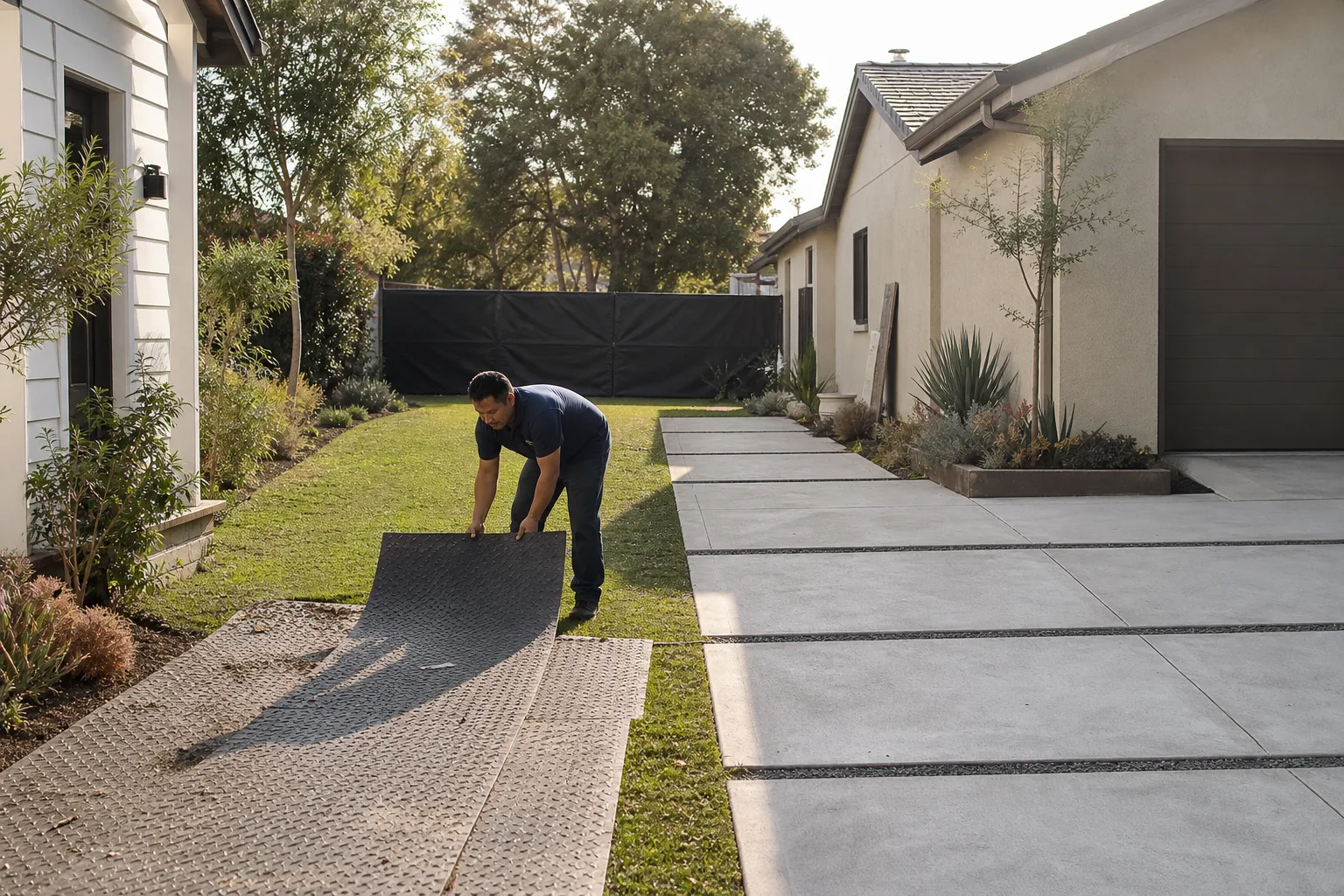
Every price we give is written down before work starts. That’s The Kingswell Guarantee: a written price, a defined arrival window, a clean job site, and a written guarantee on every job. If the work fails within 365 days, we come back and make it right. That’s the 365-Day Done Right Promise, in writing on every project we run in Los Angeles.
What drives the range: access to the trench path (a long narrow side yard adds labor), soil type (clay with rock slows excavation), panel location relative to the ADU, and whether LADWP or SoCal Edison requires a transformer upgrade on their side.
DIY or Call Us?
Here’s the honest split. You can safely check a few things yourself: verify the main breaker size, look for standing water after rain, and feel whether the subpanel is warm. You should not open a panel, dig a trench, or pour concrete for a Plant Prefab module. Electrical panels carry enough current to kill. An improperly graded sewer lateral fails its LADBS inspection and you’ll be doing it twice. And if you pour a pad out of tolerance for Plant Prefab’s factory specs, the module won’t seat, and you’ll be saw-cutting fresh concrete at three times the cost of doing it right the first time.
If you’re seeing any of the five failure signs above, call (213) 698-7116. We’ll send a background-checked, uniformed technician to your Los Angeles property, diagnose what’s actually failing, and hand you a written price before any work starts. No door-price changes. Ever.
FAQs
Done correctly, the foundation and underground utilities should last 50 years or more. The panel should last 25 to 30 years before replacement. What fails early is almost always the site prep, not the prefab module: bad compaction, a skipped load calculation, or a drainage plan that didn’t account for Los Angeles stormwater regulations. If you’re seeing problems within five years of install, the original contractor cut a corner somewhere. Call (213) 698-7116 and we’ll tell you exactly what failed and what it costs to fix, in writing, free.
Repair is possible in most cases. A settling pad can be stabilized with helical piers at $8,000 to $20,000 instead of a full repour. A sagging sewer lateral can often be spot-repaired with a cleanout and a section of Schedule 40 PVC for $1,500 to $4,000. Full replacement is only necessary when the original work was so far out of code that patching it would leave you with the same problem in two years. We’ll show you the photos, the measurements, and the written options before you spend a dollar.
Typical utility repairs run three to five working days. A full site prep for a new Plant Prefab module runs two to four weeks including excavation, compaction, concrete cure time, and utility rough-in. The permit timeline in Los Angeles adds time: LADBS plan check for an ADU site package is running four to eight weeks right now, and LADWP service upgrades can add another two to three weeks on their side. We pull permits and manage the inspections, because a permit pulled correctly the first time saves you months of grief.
We stock the site prep and utility components that fail on our trucks: 200-amp subpanels, breakers, Schedule 40 PVC and fittings, drain pipe, and the standard material list Plant Prefab specifies. We don’t stock Plant Prefab structural modules. Those come from the factory. The site work underneath them is what we carry, and it’s what we install with a written price before we dig, a clean job site when we leave, and a 365-day guarantee in writing.
Written by Russ Delmar, Owner, Lodgewick ADU Los Angeles at Lodgewick ADU Los Angeles, serving Los Angeles and nearby areas.