Boxabl Site Prep & Utilities: The Los Angeles Owner’s Guide
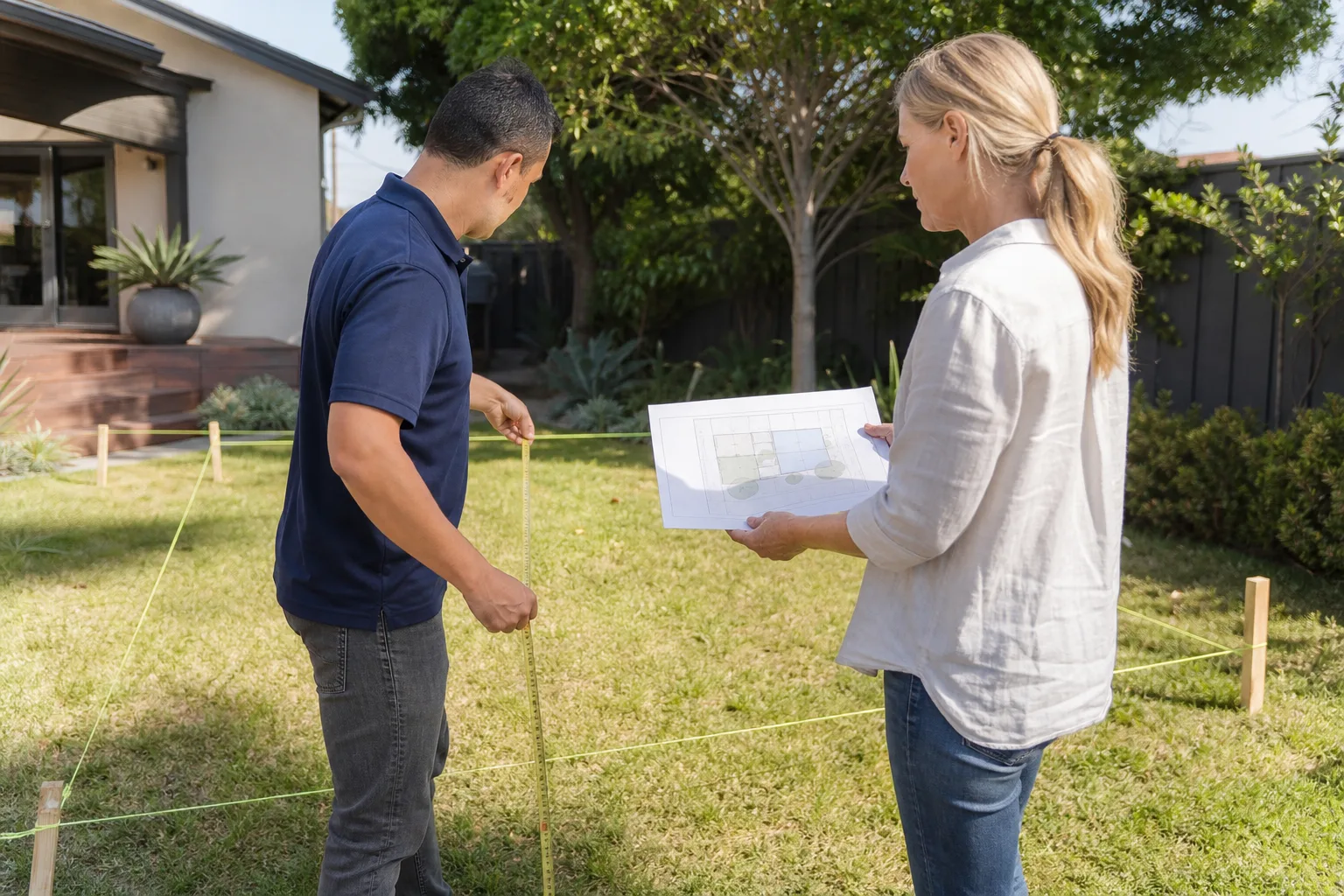
Boxabl site prep and utility work in Los Angeles typically costs between $18,000 and $45,000 depending on your lot’s slope, soil condition, and how far the utility mains run from your foundation pad. We stock most of what your Boxabl needs on our trucks, and we can usually start the ground work within two weeks of your site survey. Most owners discover a problem here the hard way: the Boxabl arrives on a truck, the crane is scheduled, and then someone realizes the pad is off by two inches or the electrical panel can’t handle the load.
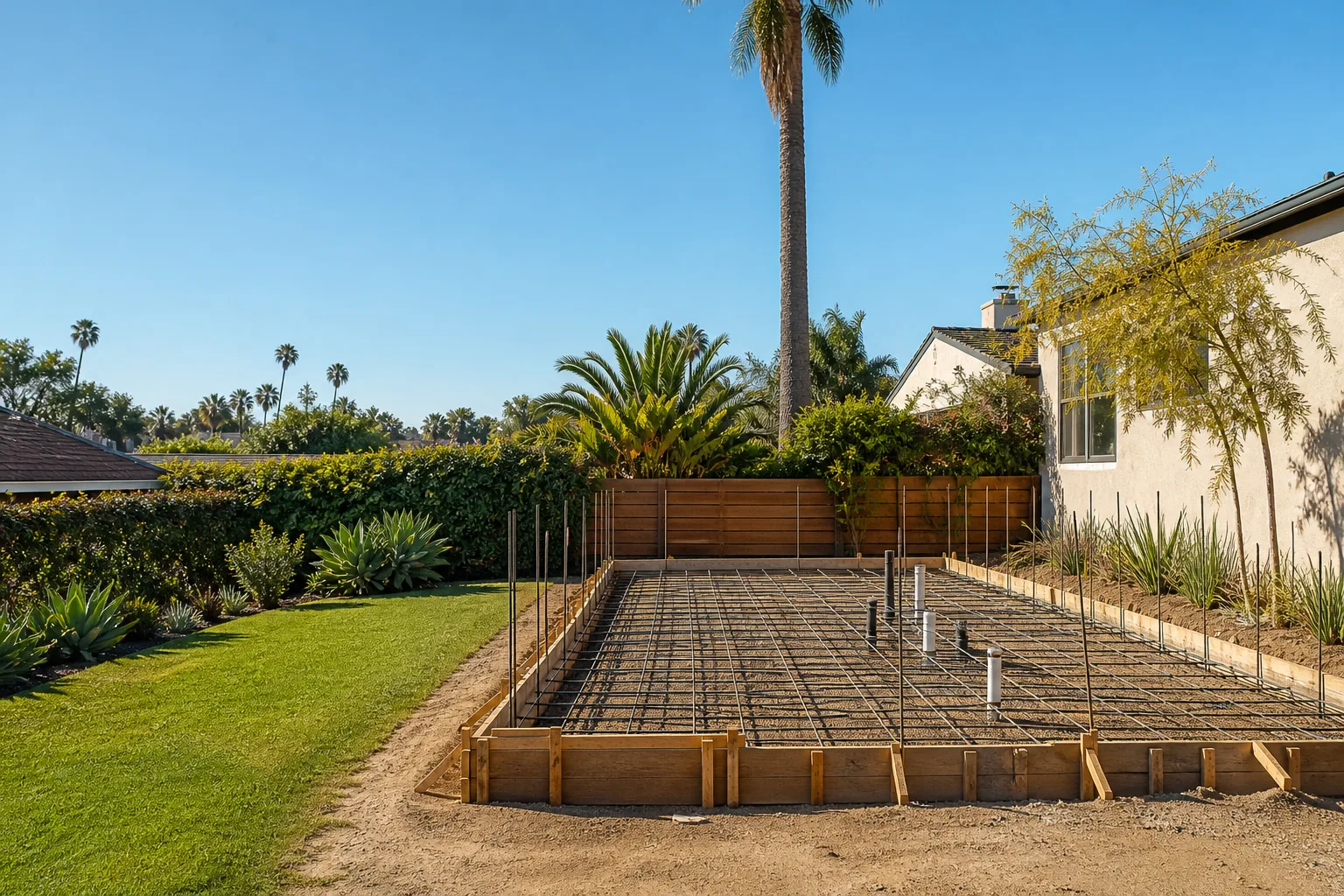
Here’s the reality of the Casita in Los Angeles. The factory builds a tight, precise steel-framed unit with connection points and utility rough-ins that assume a level, properly compacted pad with utilities stubbed up in exact locations. Your site prep isn’t a line item you can shave. It’s the part that determines whether your Boxabl settles, leaks, or fights you on every future repair. Russ Delmar has seen enough rushed Boxabl pads in Los Angeles to know that an extra $3,000 in soil compaction beats a $30,000 structural fix three years later. We’re an independent ADU builder in Los Angeles, not affiliated with Boxabl, and we treat their product with the same respect we’d give any precision-built structure.
Which Boxabl Models This Applies To
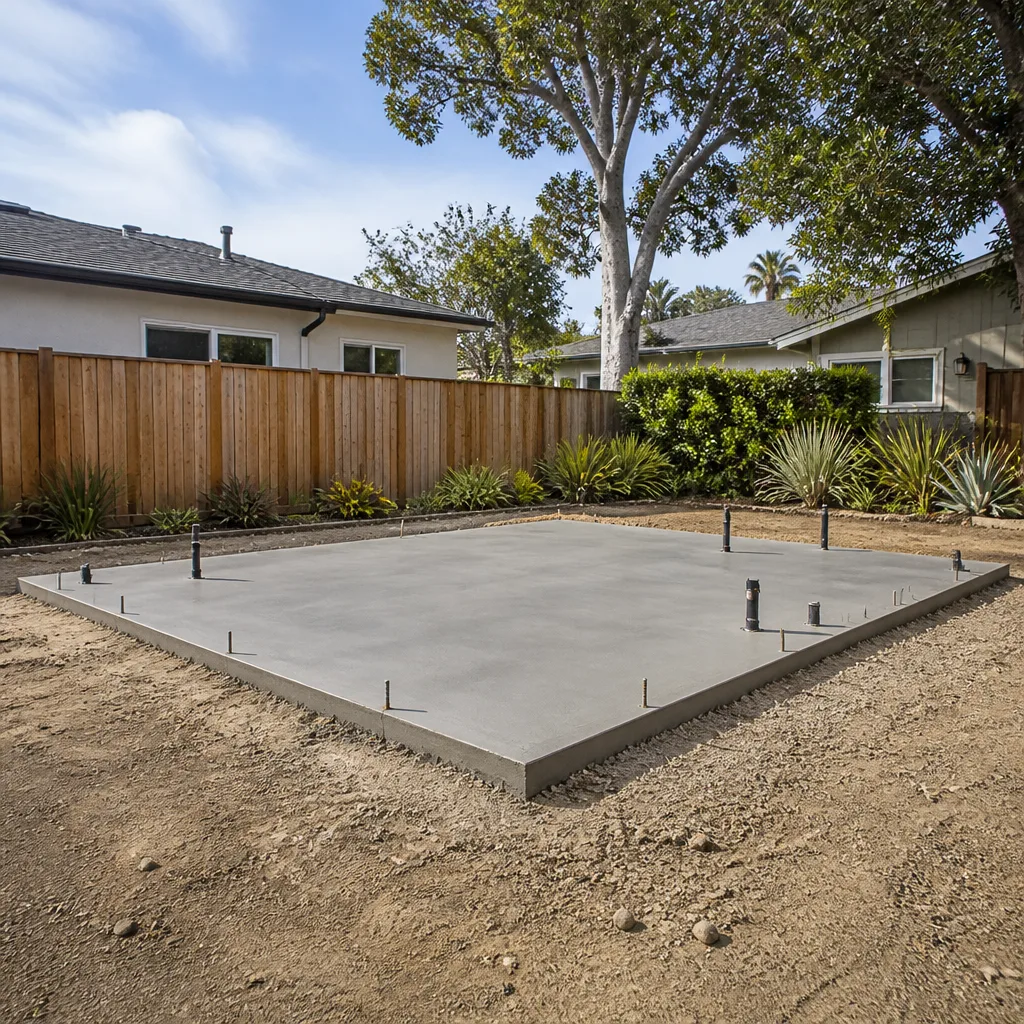
This page covers the Casita, which is the model Boxabl ships to Los Angeles homeowners. The Casita is a 20-foot by 20-foot unit, about 361 square feet, built around a steel chassis that bolts to a prepared concrete pad. Newer Casita builds (2023 and later) use a slightly different utility stub-up configuration than earlier units, so if your Casita was delivered before mid-2023, your electrical, water, and sewer connection points may sit 4 to 6 inches closer to the centerline than the current spec sheets show. This matters when the excavator cuts trenches and sets conduits: miss by half a foot and you’re chipping concrete to make the connection work.
We also work with Boxabl’s accessory components: the HVAC skid, water heater cabinet, and the exterior utility chase panels. The biggest compatibility gotcha we see in Los Angeles is the sewer invert elevation. Boxabl’s factory documents assume a standard 1/4-inch-per-foot fall from the unit’s drain line to the city sewer lateral. On flat Los Angeles lots, especially in the San Fernando Valley or parts of Long Beach, achieving that fall sometimes requires a pump or a deeper sewer tie-in than the county’s typical ADU guide suggests. We flag this before you sign anything, because it changes the price by $2,500 to $7,000 and you deserve to know it upfront.
For replacement parts specifically, we stock Boxabl-compatible utility components: the exterior electrical whip, water supply flex lines, sewer stub gaskets, and the hold-down bolts that anchor the chassis to the pad. Boxabl’s OEM parts are solid, but for routine wear items like the flex lines and gaskets, quality aftermarket equivalents from suppliers like Fernco and Zurn perform identically and often arrive faster than factory-shipped parts. For anything structural or specific to the chassis connection, we insist on OEM or exact-spec equivalents.
Signs Your Boxabl Site Prep & Utilities Is Failing
- Water pools near the foundation after rain. The pad wasn’t graded or compacted correctly, or the drainage swale has settled. Over time, water against the steel chassis corrodes the anchor points and invites foundation movement. Los Angeles gets fewer than 15 inches of rain a year, but when the atmospheric river hits, a badly drained Boxabl pad becomes a swimming pool.
- Doors stick or the unit feels slightly out of level. A door that catches at the top corner usually means differential settling: one side of the pad is dropping faster than the other. Boxabl’s steel frame doesn’t flex like wood; it transmits settlement directly to the door frames and window seals.
- Breaker trips when you run the AC and microwave together. The electrical service or subpanel wasn’t sized for the Casita’s actual draw. Boxabl’s HVAC and appliances pull more amps than some electricians assume for a unit this square footage. In Los Angeles, where summer loads push heat pumps hard, an undersized feed shows up fast.
- Sewer smell near the unit, especially after a heavy rain. The stub-up connection or the gasket at the sewer tie-in has failed or was never seated properly. It could also be a dry p-trap, but if the smell continues after running water, the seal at the stub is the likely culprit.
- The utility chase panel at the back of the Casita is loose or rattling. High winds in the foothill communities like La Crescenta or Porter Ranch can work exterior fasteners loose. A rattling chase panel lets moisture and pests into the utility cavity, which accelerates corrosion on the electrical connections.
Replacement Cost & What’s Included
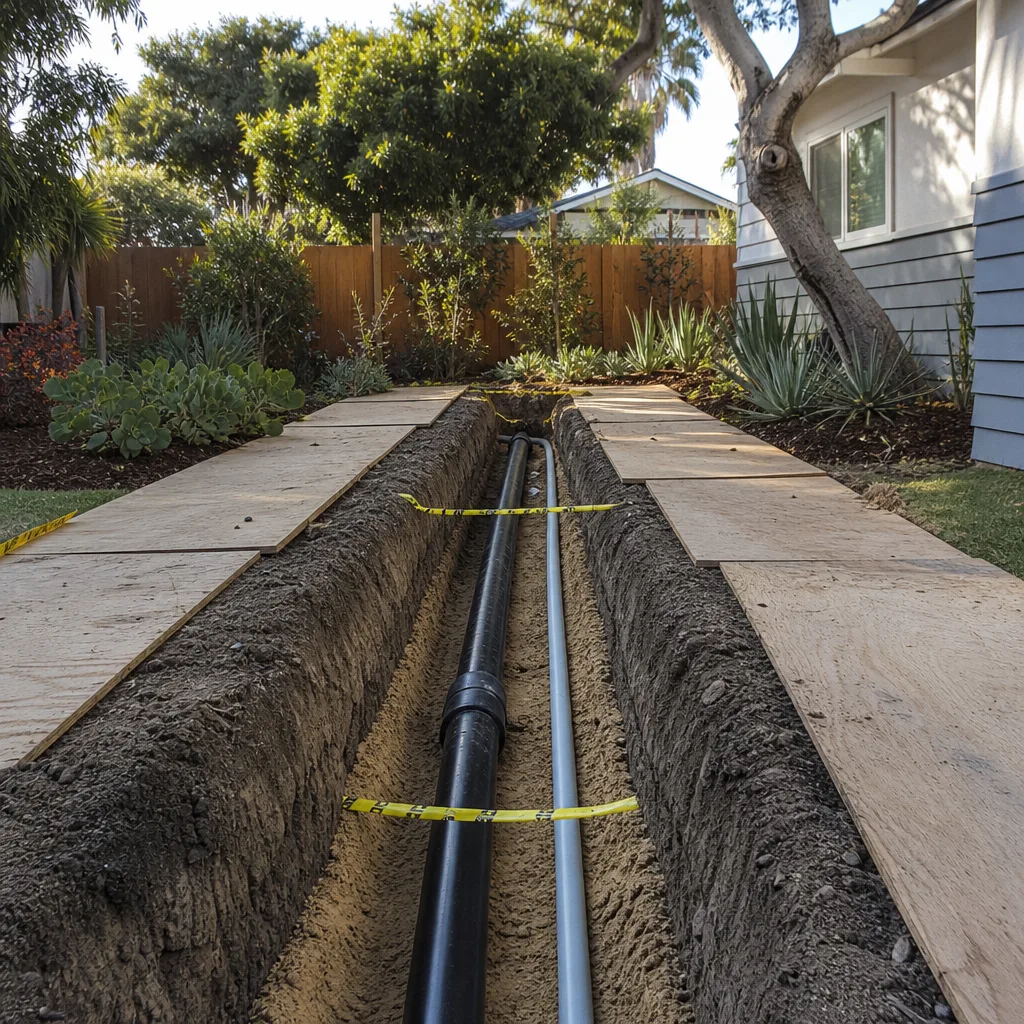
For the utility components themselves, here’s what Los Angeles homeowners should expect to pay installed, parts and labor included:
- Electrical whip replacement: $450 to $850, including disconnect and safe reconnection, with the panel verified for amperage.
- Water supply flex line replacement: $250 to $450, including new shutoff valve and pressure test.
- Sewer stub gasket replacement: $600 to $1,200, including excavation to the tie-in point, new gasket, and compaction of the backfill.
- Anchor bolt inspection, replacement, and re-torquing: $350 to $700 for the full perimeter, including a written report on pad condition.
- Full site prep re-grade and drainage correction: $6,000 to $18,000 depending on soil type, slope work, and whether new drainage pipe or a sump pump is required.
Every one of these prices is written before we start, and it doesn’t change at the door. We don’t do change orders on utility work unless you ask us to expand scope. If the work fails within 365 days, we come back and fix it at no charge under our Done Right Promise: if it’s not right, we make it right. That promise is in writing, on every single project, before we touch your property.
DIY or Call Us?
You can safely check a few things yourself on the exterior of your Boxabl: look for standing water after rain, check the sewer cleanout cap is snug, and visually inspect the electrical whip for cracked insulation or pulled conduit. Those are observations. Turning a wrench on a live electrical whip or excavating a sewer tie-in is not a Saturday project. The electrical side carries a genuine shock and arc risk, and a broken sewer line leaking under your Boxabl creates a health hazard plus a repair bill triple what a properly done fix would have cost. High-voltage electrical and buried sewer are two places where the cost of getting it wrong is hospital-level serious, not just inconvenient.
If you’re unsure whether what you’re looking at is a real failure or just normal wear, call us at (213) 698-7116 and describe what you see. We’ll tell you honestly whether it needs a tech or whether you can keep an eye on it. If it needs a tech, we’ll give you a written price before anyone shows up.
FAQs
A properly compacted Boxabl pad on well-drained Los Angeles soil should last 30 to 50 years with no meaningful settlement. The weak points are the utility connections, not the pad: flex lines and gaskets typically need attention every 8 to 12 years, and the electrical whip may need replacing sooner if the unit sits in direct desert-adjacent sun in communities like Sylmar or Chatsworth. Call (213) 698-7116 and we’ll inspect your pad and utilities and tell you what’s at end-of-life.
Most site prep failures can be repaired without resetting the Boxabl: re-grading the drainage swale, adding a sump pump, re-torquing anchor bolts, or replacing failed gaskets are all routine fixes. Full pad demolition and replacement is rare and usually only needed when original compaction was skipped entirely. If you suspect serious settling, call us at (213) 698-7116 for a site survey and a written recommendation.
Most single-utility repairs, like an electrical whip or water flex line swap, take our Los Angeles crew 2 to 4 hours on site. A sewer stub gasket replacement takes a full day because it involves excavation, the repair, and proper backfill compaction. Full site re-grades run 3 to 7 days depending on slope and drainage work. We’ll give you a defined arrival window and a written timeline before work starts.
We keep the common utility parts on our Los Angeles trucks: electrical whips in the lengths Boxabl uses, water flex lines, sewer gaskets, and anchor bolts. For OEM-specific parts like Boxabl’s factory chase panels, we order direct and usually have them in hand within 5 to 10 business days. If you need a part identified, call (213) 698-7116 and we’ll match it to your Casita’s year and serial number.
If your Boxabl’s site prep or utilities are giving you trouble in Los Angeles, or if you’re planning a Casita and want the ground work done right the first time, call us at (213) 698-7116. We’ll give you a free estimate, in writing, before any work starts. Tell us what you need the space to do, and we’ll tell you exactly what it’s going to take – no guessing, no runaround.
Written by Russ Delmar, Owner, Lodgewick ADU Los Angeles at Lodgewick ADU Los Angeles, serving Los Angeles and nearby areas.