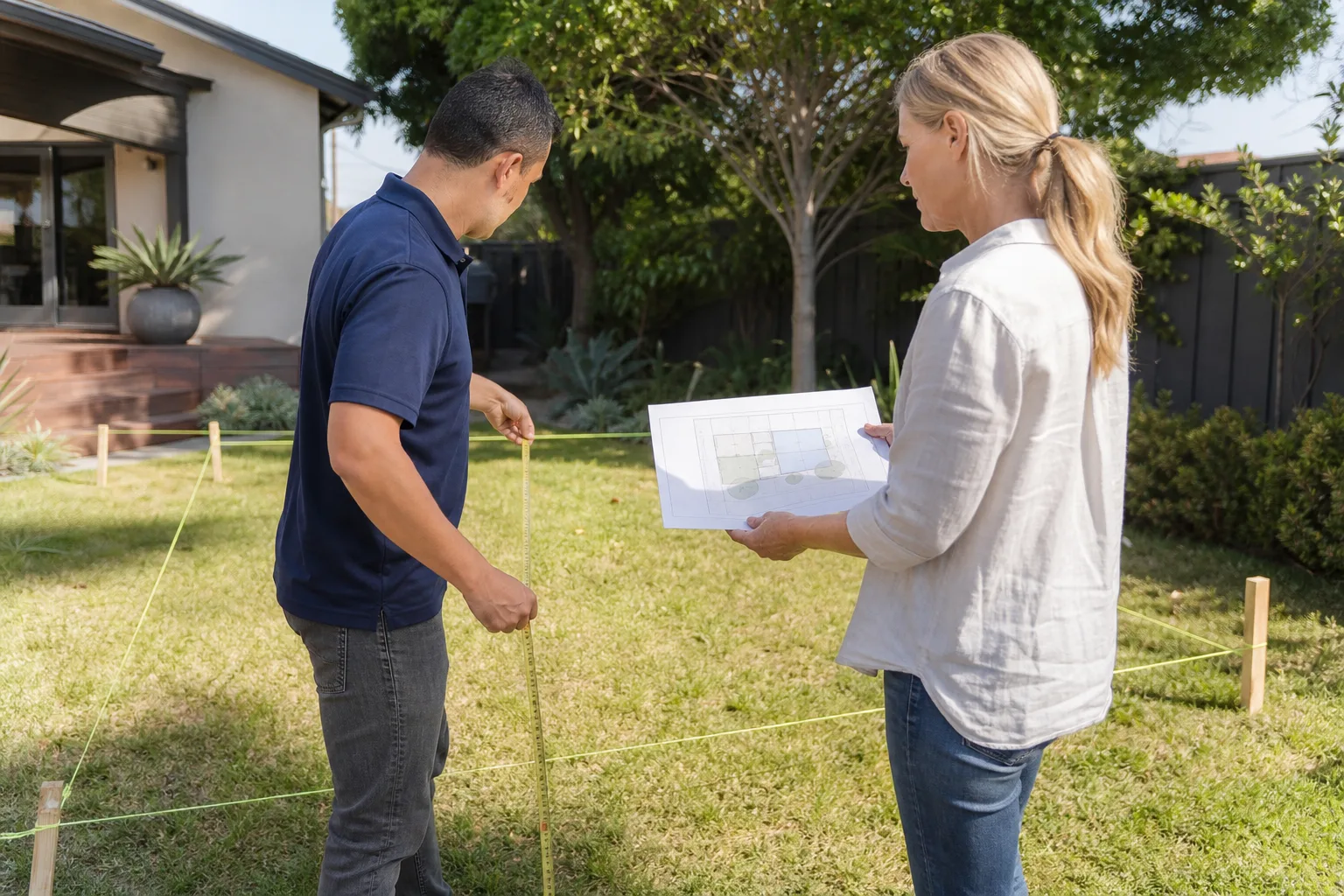
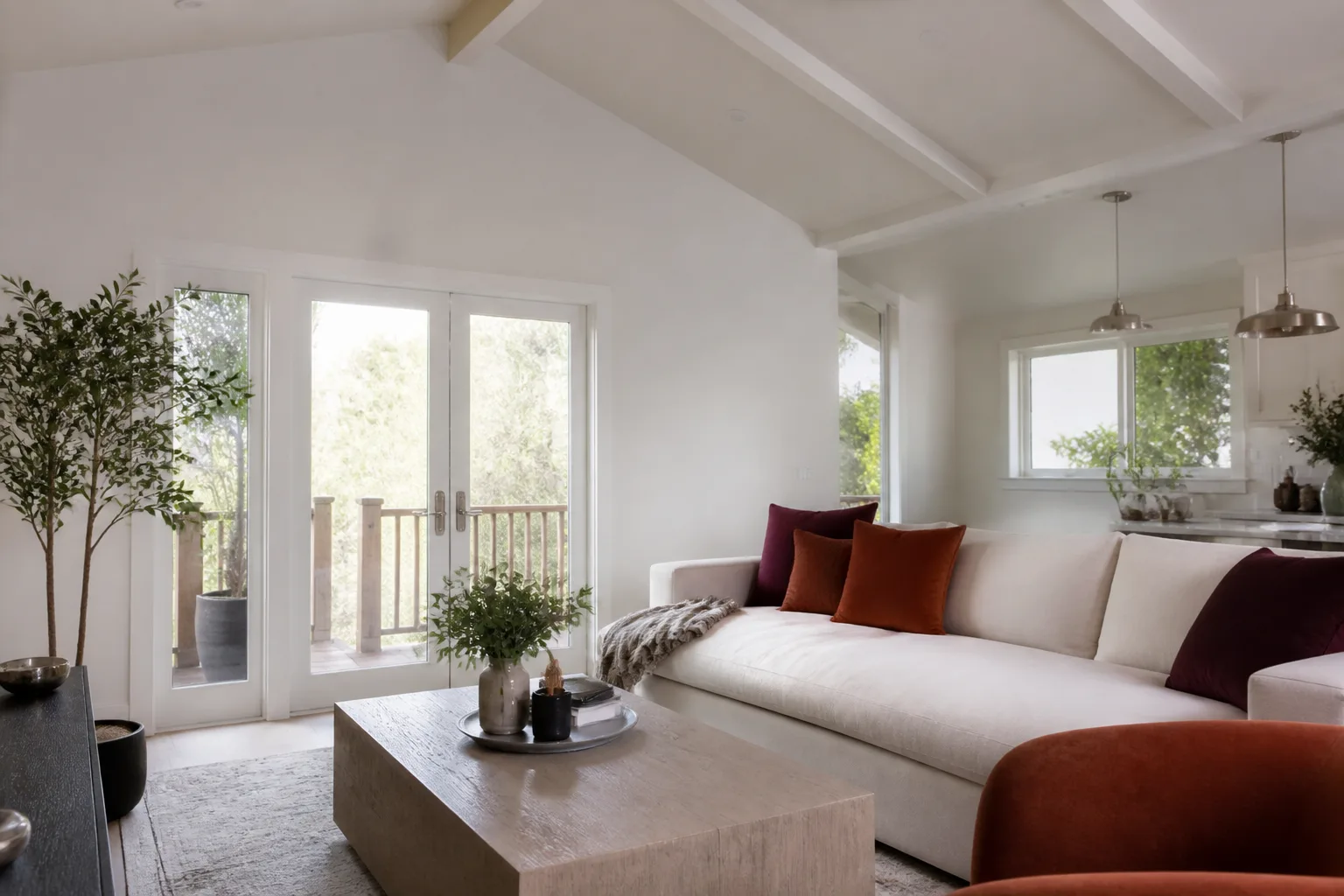
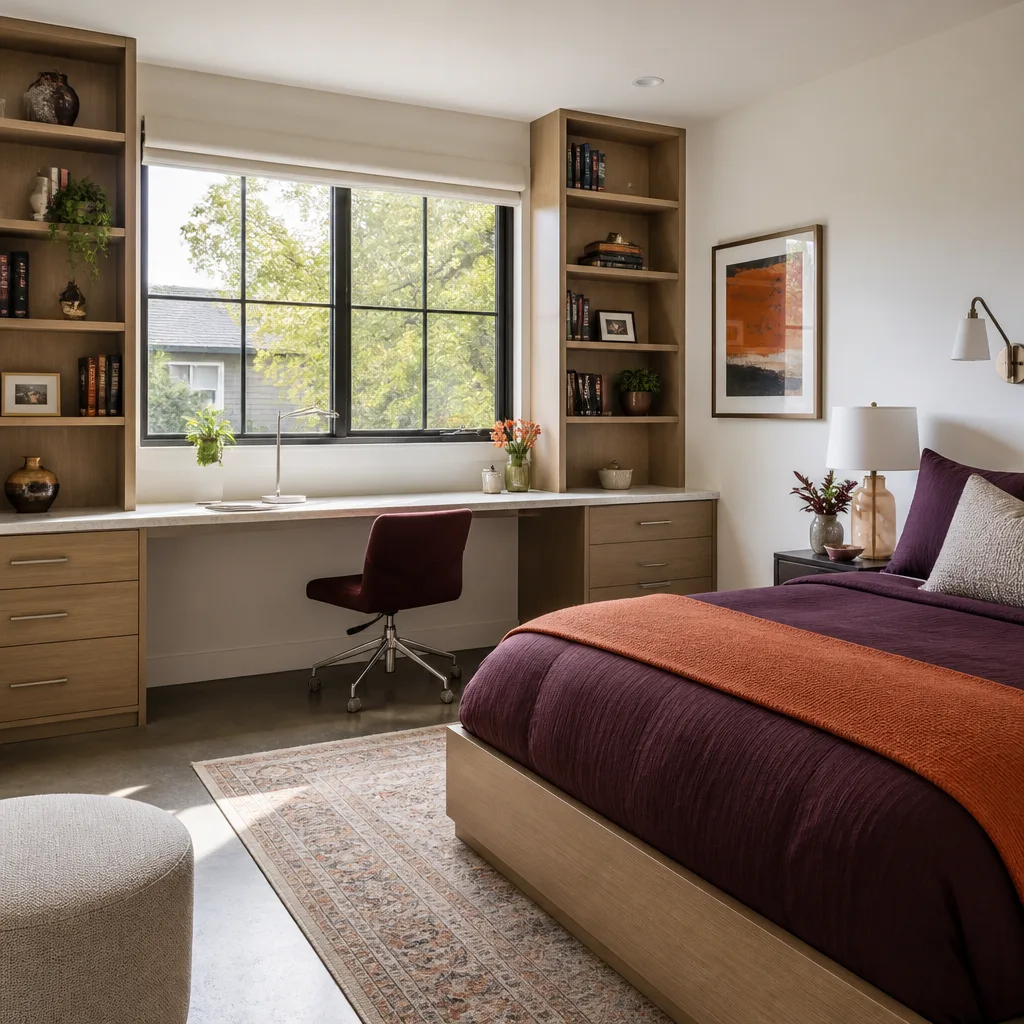
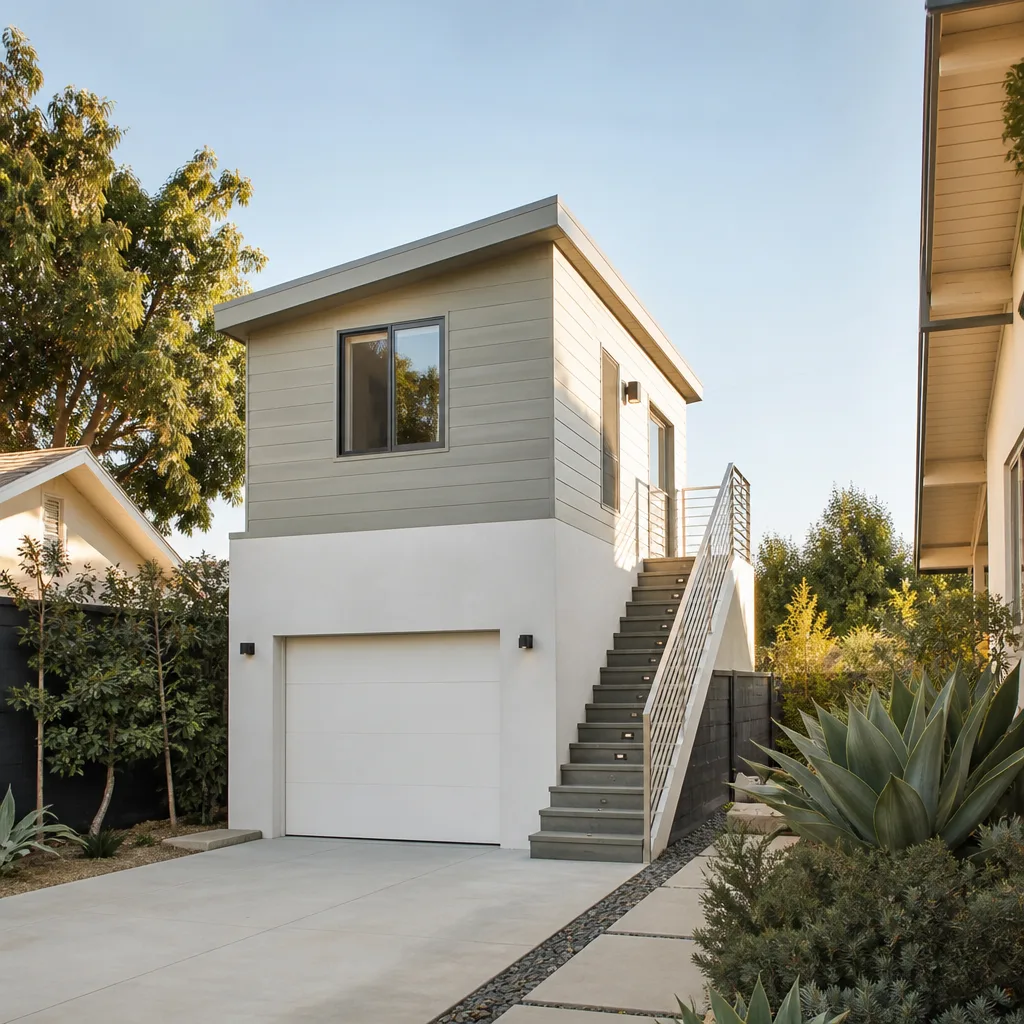
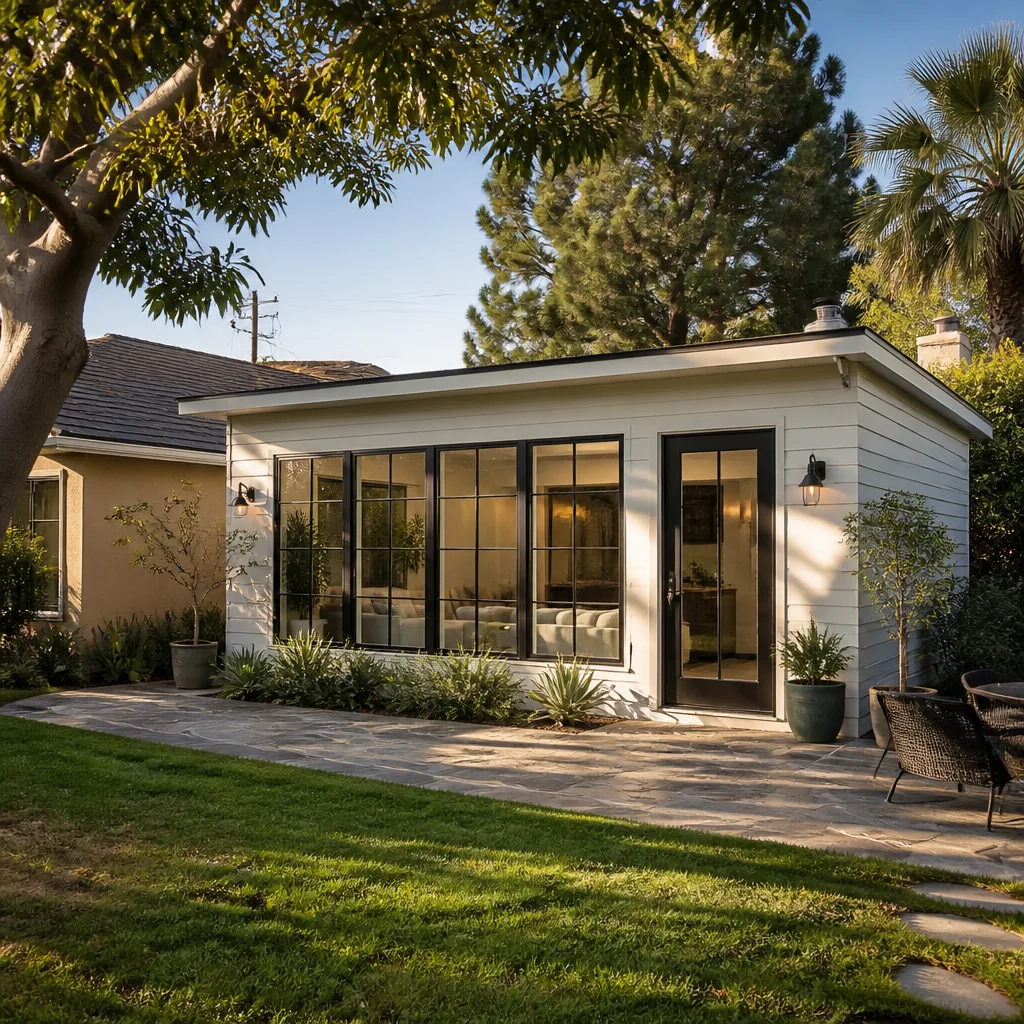
A free site visit, a check of what your lot allows and a written, line-item price.
Get your free estimateFast, Reliable Home Addition Contractor Across Koreatown
A ground-floor bedroom addition in Koreatown runs $185,000 – $310,000 depending on whether we’re tying into a 1920s duplex or a detached structure. Second-story additions run higher, typically $275,000 – $420,000. We’re Lodgewick ADU Los Angeles, part of the Kingswell family since 2010, and every project starts with a written price before a single wall is opened. If you’re adding a room to a Koreatown property, call (213) 698-7116 for a free estimate and we’ll walk the site with you.
We’ve worked on enough Koreatown properties to know that the real cost of a home addition here isn’t in the drywall or the roof. It’s in what’s behind the stucco. Older wiring, unreinforced garage walls, sill plates that gave up decades ago. That’s why our quotes include line-item allowances for code-triggered upgrades. You see the number up front, not when the inspector shows up.
Why Lodgewick ADU Los Angeles Is Koreatown’s Preferred Home Addition Contractor Company
Russ Delmar leads our Los Angeles team, and he’s spent years watching Koreatown homeowners get burned by quotes that didn’t survive first contact with an actual wall. Our approach is different. We pull the permit history before we price the job. We test for the things that stop work. We write down what we’ll do and what it costs, and we stand behind it with the 365-Day Done Right Promise: if it’s not right, we come back and make it right, in writing, on every project.
Koreatown homeowners call us because we answer the phone. A live person, 24 hours a day. No voicemail loops when you’ve got a question about your build or your guarantee. Our crews are background-checked and uniformed, so the people on your property are who we say they are. And every job follows The Kingswell Way: say the price before the work, show up in the window given, leave the place cleaner than found, put the guarantee in writing, come back if it fails.
We’re not a corporate chain. We’re independently owned and operated under The Kingswell Guarantee. Dispatch and scheduling are coordinated from the Los Angeles office, and crews serve Koreatown locally.
Room Addition Contractor in Koreatown
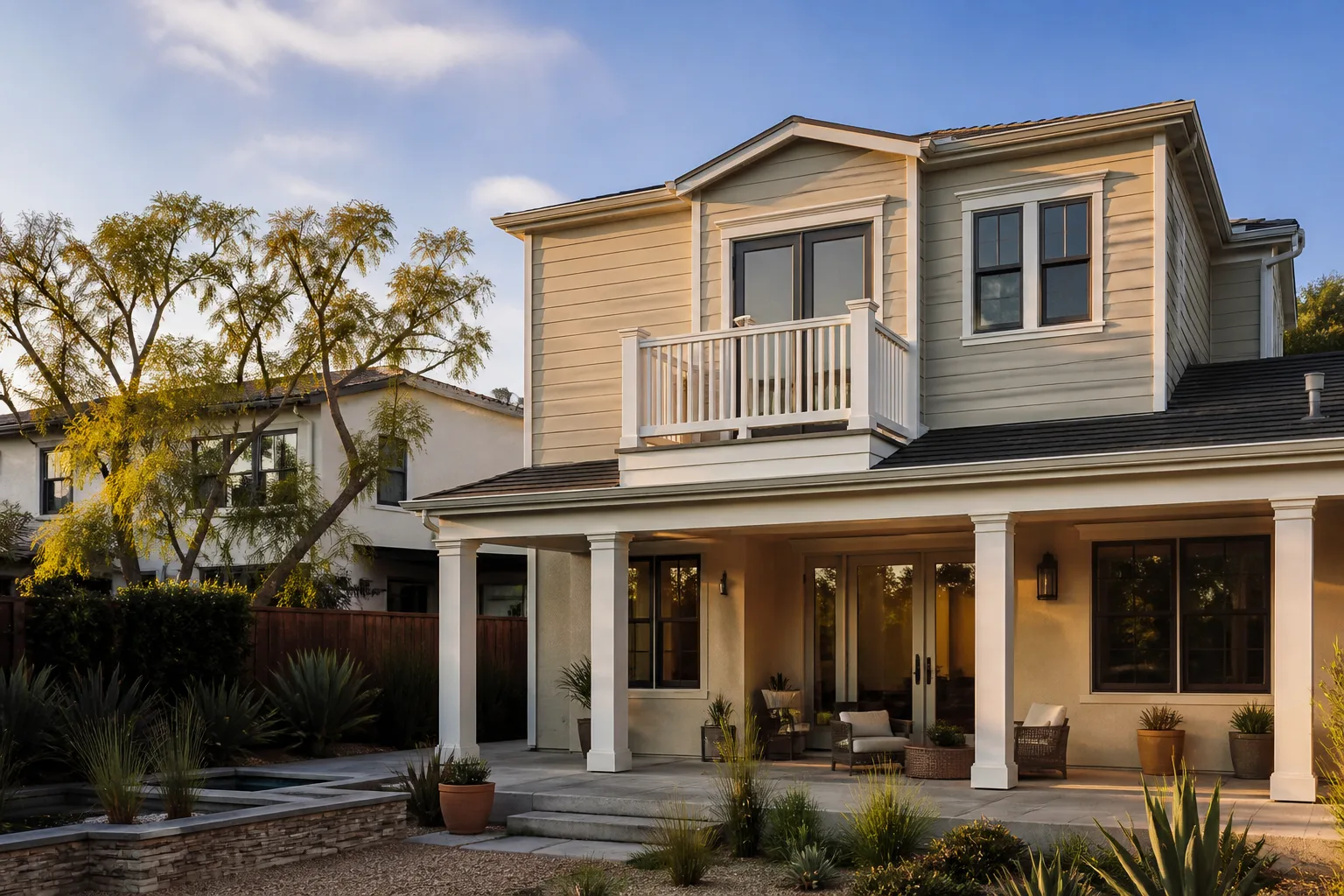
A Room Addition Contractor in Koreatown takes on what’s usually the most cost-effective path to more space: adding square footage to the ground floor of an existing home, duplex, or courtyard building. On Koreatown’s early 20th-century stock, this almost always means opening an exterior stucco wall, tying into framing that may be 90 years old, and bringing whatever we expose up to current code. A ground-floor room addition here typically runs $185,000 – $310,000, and the wide spread comes down to what’s behind the walls.
Knob-and-Tube and Framing Upgrades
Many Koreatown duplexes built in the 1920s and 1930s still have knob-and-tube wiring in exterior walls. When we open that wall to tie in a new room, the city requires the exposed circuit to be replaced. We write that allowance into the contract. You approve the exact number before we touch the wire.
Foundation and Sill Work
Older Koreatown footings were often poured shallow, and the mudsill where framing meets the stem wall can rot out, especially on stucco structures that trapped moisture for decades. A room addition that spans onto new foundation has to marry cleanly to whatever’s holding up the original building. We inspect ahead of the quote and include any sill replacement or bolting as a line item.
Second Story Addition Contractor in Koreatown
A Second Story Addition Contractor in Koreatown has to answer a structural question first: can the first-floor walls and foundation carry a second level? On Koreatown’s 1920s courtyard apartments and duplexes, the answer is often yes with upgrades, but those upgrades aren’t optional. A second-story addition in Koreatown runs $275,000 – $420,000. The lower end assumes a structurally clean first floor. The upper end accounts for seismic retrofitting, foundation strengthening, and bringing the entire existing structure up to current lateral-load standards.
Seismic Assessment Before Design
Koreatown sits in a seismic zone, and unreinforced masonry garages or undersized wood framing from the 1920s won’t pass a plan check for a second-story load until they’re retrofitted. We assess before we design, so the retrofit cost is in your written price, not a surprise at the permit counter.
Stucco Transitions and Waterproofing
When a second story meets the original stucco at the old roofline, that seam is where water gets in. Koreatown’s wet winters make this a real failure point. We detail the transition with flashing, membrane, and drainage so the first rain doesn’t find its way into the original unit below.
Trusted Brands We Service in Koreatown
We work with established ADU and addition brands matched to each Koreatown lot, budget, and timeline. That includes James Hardie siding and trim for additions that need to blend with existing stucco, Abodu and Cover for prefabricated units on tight urban lots where construction time matters, and Dvele for high-performance envelopes. We stock local parts for Koreatown projects, so when a detail needs a specific flashing or fastening system, we’re not waiting on a shipment. If your addition or ADU uses a brand we know well, the permit and plan-check process moves faster.
Common Home Addition Contractor Problems We See in Koreatown Homes
- Unreinforced masonry garages. Many Koreatown garages from the 1920s – 1930s were built with brick or hollow clay tile that has no steel reinforcing. Before a garage can carry a room above it or become an ADU, it needs seismic retrofitting. A contractor who doesn’t catch this before the quote will hit you with a five-figure change order after demo starts.
- Unpermitted alterations from previous owners. We regularly find Koreatown properties where someone enclosed a porch, finished a basement, or moved a kitchen wall without pulling a permit. When your addition triggers a plan check, those old changes surface and force corrections. We pull the permit history up front.
- Asbestos in old stucco and lead in window glazing. Koreatown structures predating the 1980s often contain asbestos in exterior coatings and lead in original window putty. Disturbing these without testing triggers a stop-work order. We test before demo.
- Failed waterproofing at old-to-new transitions. Koreatown’s wet winters expose bad flashing quickly. We’ve seen additions framed and roofed where the seam between new and old stucco leaked on the first rain, rotting the rim joists and flooding the basement unit below. We detail transitions before closing walls.
Pricing for Home Addition Contractor in Koreatown, CA
Here’s the honest picture for Koreatown specifically. A basic ground-floor room addition with no structural surprises: $185,000 – $245,000. A second-story addition over an existing 1920s duplex with seismic retrofit: $275,000 – $420,000. Garage-to-ADU conversions with living space above: $210,000 – $350,000 depending on the condition of the original masonry. What moves your number: knob-and-tube replacement, sill plate repair, foundation bolting, asbestos abatement, and historic preservation review if the building predates 1930. We give you a written price before any work starts. Call (213) 698-7116 and we’ll schedule a free estimate.
We Also Serve Cities Near Koreatown
Our Home Addition Contractor team works throughout the surrounding area, including Los Angeles, Culver City, Santa Monica, and West Los Angeles. If you’re in Koreatown or any of the nearby neighborhoods, the same written-price guarantee applies.
Serving Koreatown, CA - Our Local Coverage Area
We’re based in the Koreatown area and know this community well. Use the map below to see our service coverage - if you’re nearby, we can almost certainly help.
FAQs About Home Addition Contractor in Koreatown
You’ll typically trigger electrical replacement if knob-and-tube wiring is exposed, structural bolting if the existing mudsill isn’t secured to the foundation, and possibly fire-separation upgrades where the new addition meets the old wall line. The city requires whatever is exposed to be brought current. We include line-item allowances for these in our written price, so you approve actual numbers before we touch the wall. Call (213) 698-7116 for an exact quote on your building.
We assess the existing masonry, usually unreinforced brick or hollow clay tile on Koreatown’s older garages, and design the retrofit before we price the build. That means adding steel columns, plywood shear walls, or concrete reinforcement as the engineer specifies, then tying the second-story framing into the new structural system. The retrofit cost is in your written price up front, not after demo starts. Call (213) 698-7116 and we’ll walk you through what your garage needs.
Because the basement space already exists within the original foundation footprint, so you skip foundation work, zoning setbacks, and historic facade review entirely. Converting a basement means waterproofing, egress windows, and sometimes lowering the floor slab, but it avoids the structural and permit complexity of adding square footage to a 1920s structure. For many Koreatown owners, it’s the cheapest path to rentable space, typically $120,000 – $200,000 depending on depth and access.
No, not the whole wall. We open the specific section where the addition ties in, header off the opening, and install the structural connection. What you should expect is that the exposed area triggers code upgrades to whatever’s inside the wall cavity: wiring, insulation, sometimes rotting framing. That’s the part cost books don’t cover, and it’s why our written price includes an allowance for exactly this.
Buildings older than 50 years in Koreatown may require historic review if they’re in a designated district or have period-character designation. That can mean the addition must be set back from the primary facade so it’s not visible from the street, and exterior materials may be limited. We check the status before we design, and we’ve navigated enough of these reviews to price them accurately. Call (213) 698-7116 for a free estimate and we’ll pull your building’s record first.
Key Takeaways
- Ground-floor room additions in Koreatown run $185,000 – $310,000; second-story additions run $275,000 – $420,000.
- Seismic retrofitting of 1920s garages and structural upgrades to old framing are the biggest hidden cost drivers here.
- Every job gets a written price before work starts, and a written 365-Day Done Right Promise when the job is done.
- We test for asbestos and lead, pull permit history, and inspect foundations before we quote.
- A live person answers at (213) 698-7116, 24 hours a day, 7 days a week.
On a home addition along Westmoreland Avenue, our crew opened a 1928 stucco duplex to tie in a new ground-floor bedroom and found knob-and-tube wiring feeding the rear wall, plus deteriorated sill plates where the original mudsill met the stem wall. Because our contract already included a line-item allowance for code-triggered electrical and framing upgrades, the owner saw the exact permit-inspection fee and rewiring cost the same day we exposed it, approved it in writing, and we swapped in a new 200-amp panel and pressure-treated sill before closing the wall.
Call (213) 698-7116 to schedule your free estimate. We’ll walk your Koreatown property, pull the permit history, and give you a written price with all the code-triggered upgrades spelled out. No guessing, no door price changes, no surprises behind the stucco.
Written by Russ Delmar, Owner at Lodgewick ADU Los Angeles, serving Koreatown since 2010.