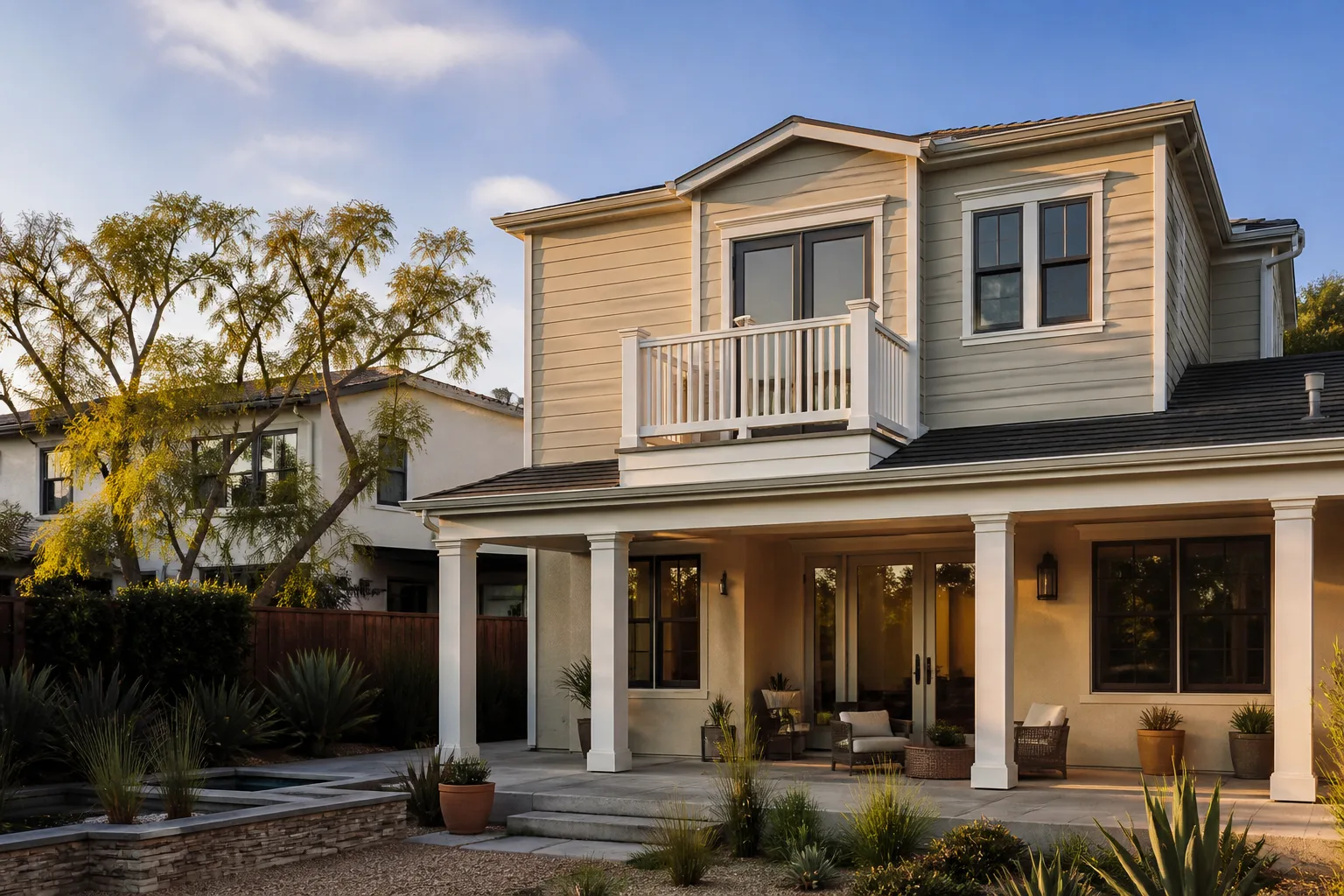
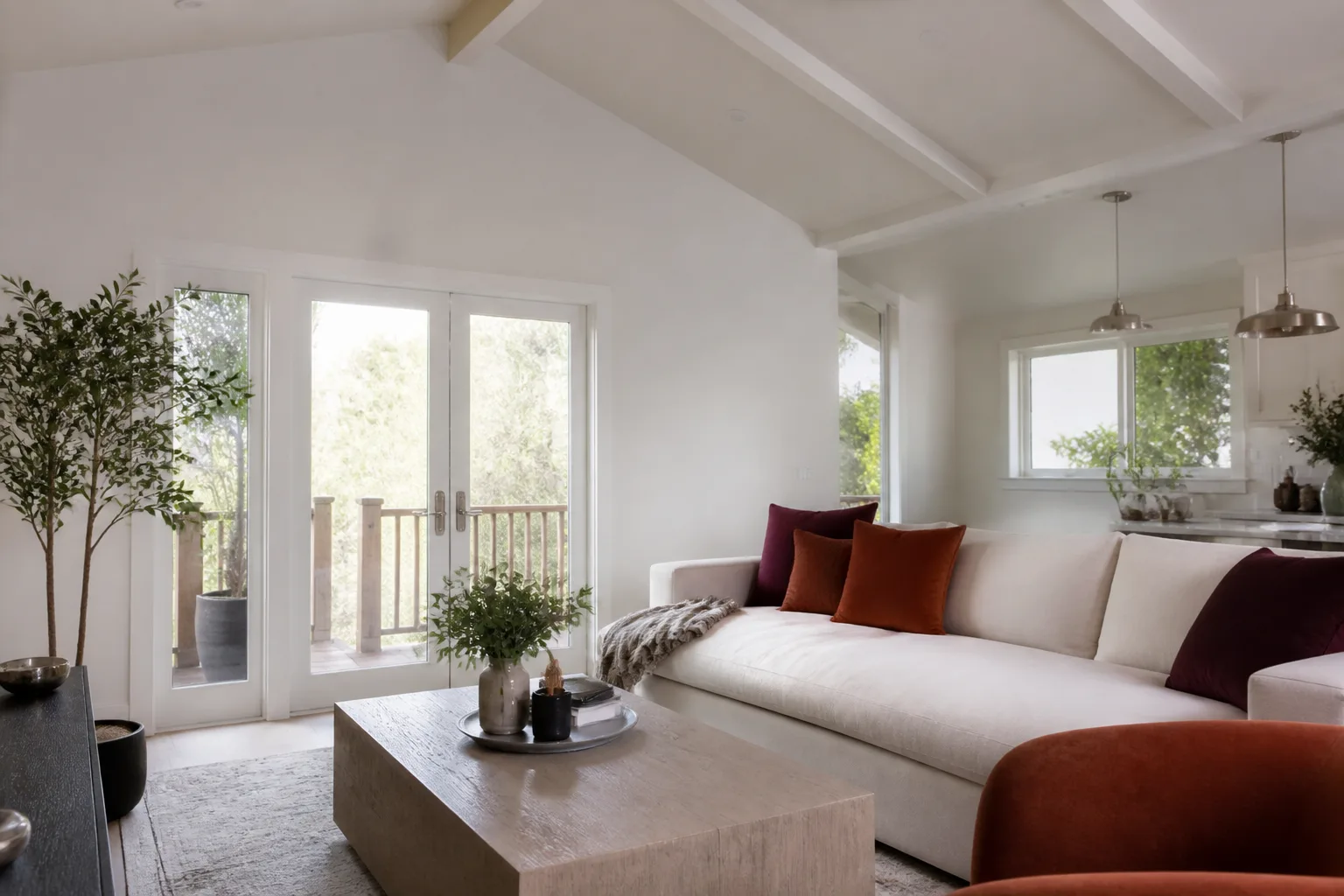
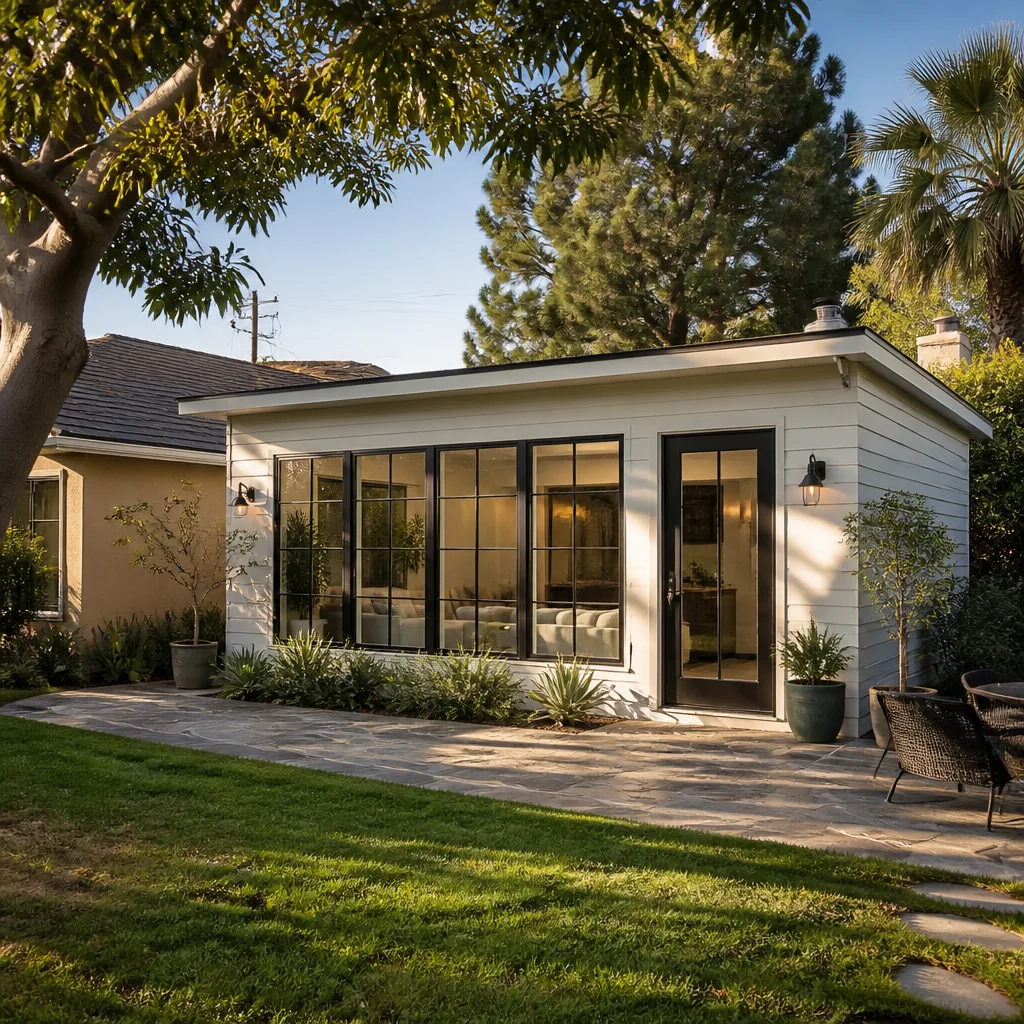
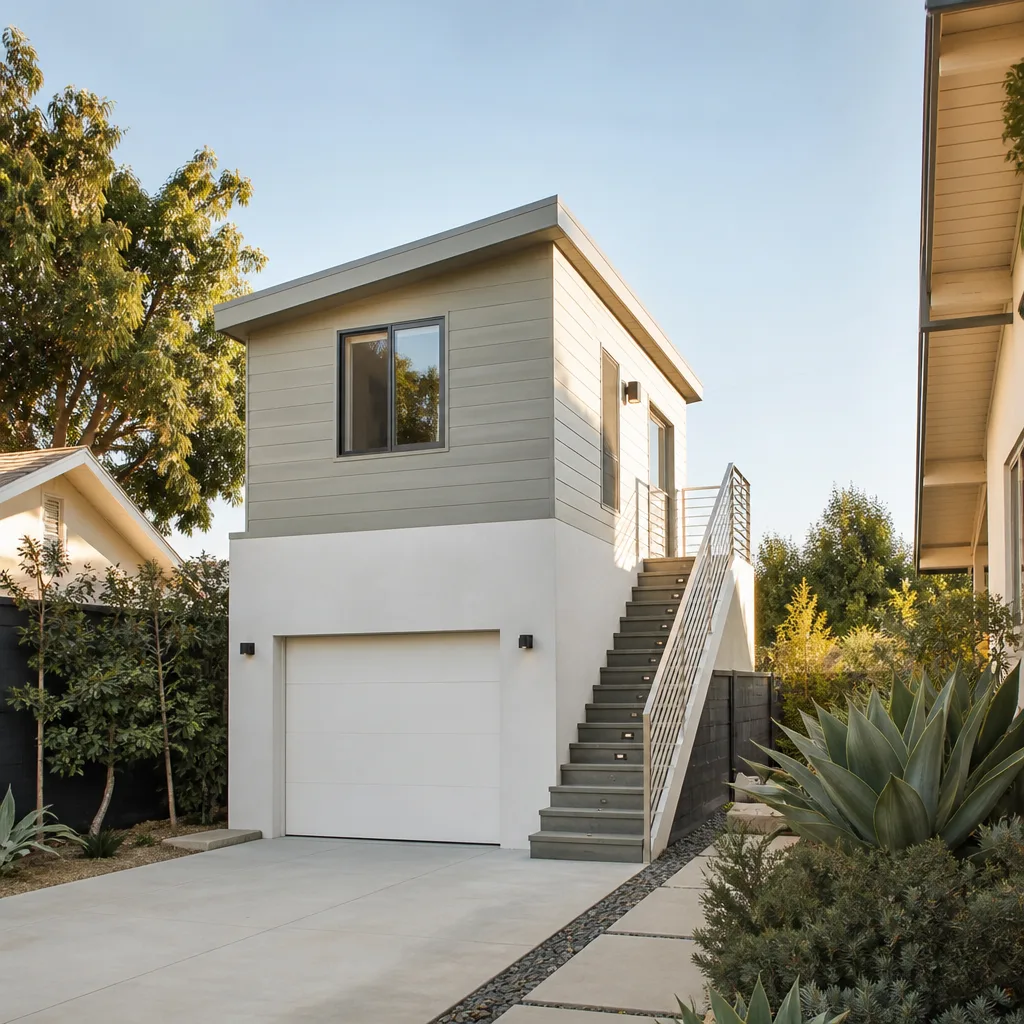
A free site visit, a check of what your lot allows and a written, line-item price.
Get your free estimateFast, Reliable Garage Conversion Contractor Across Los Angeles
Garage conversion in Los Angeles typically costs $120,000 to $240,000 for a full ADU with kitchen and bath, and $60,000 to $100,000 for a simpler living-space conversion without plumbing. Most Los Angeles homeowners get their permit drawings approved within 3 to 6 months, depending on the neighborhood and the condition of the existing slab. Our crews work throughout Los Angeles every week, from West Adams to Highland Park to the Valley, and we know what city inspectors here actually require before they’ll sign off. If you’re weighing a garage conversion on your lot, call us at (213) 698-7116 and we’ll walk you through what’s realistic for your property. Written price first. Every time.
Why Lodgewick ADU Los Angeles Is Los Angeles’s Preferred Garage Conversion Contractor
Lodgewick ADU Los Angeles operates under The Kingswell Guarantee, and that changes how a build feels from day one. You’ll get a written price before any work starts, a defined arrival window for crews, a clean job site at the end of every day, and a written guarantee on the completed project. That guarantee includes a free return visit if anything fails within 365 days. It’s a specific, written commitment, not a friendly verbal promise.
Russ Delmar leads our Los Angeles team. He’s spent years working through the city’s permit process on pre-1979 bungalows, mid-century ranches, and 1920s detached garages across Los Angeles. That hands-on familiarity with local inspectors and local building conditions means fewer surprises during your build. When a Los Angeles homeowner asks us about a garage conversion, we can tell them exactly what the city will flag before we ever pull the permit.
Our Los Angeles customers call a live person when they have a question, 24 hours a day. No voicemail loops. No chatbot. If something comes up mid-build or after sign-off, you reach a human who can act. That’s how a Garage Conversion Contractor should operate in a city where so many homeowners have been burned by contractors who vanish after the deposit clears.
Garage Conversion ADU in Los Angeles
A Garage Conversion ADU in Los Angeles turns an attached or detached garage into a permitted accessory dwelling unit with its own entrance, kitchen, bathroom, and sleeping area. This is the highest-value version of a garage conversion because it creates a fully rentable or family-ready unit on your existing lot. Los Angeles homeowners pursue this when they want rental income, a place for aging parents, or housing for adult children who can’t afford a separate home in the current market. A full garage conversion ADU in Los Angeles runs $120,000 to $240,000 depending on slab condition, utility connections, and whether you’re converting an attached space or building out a detached structure.
What the Los Angeles Permit Process Actually Requires
Los Angeles lies within Seismic Design Category D, and the 2022 California Building Code demands that garage conversions on pre-1979 one-story homes install a continuous load path. That means embedded hold-downs, hurricane-rated straps, and engineered shear connections running from roof to slab. This is a real requirement here, and it’s not something you’ll hear from a contractor who mostly works in Pasadena or Glendale, where the wind-load tables are less demanding. A compliant quote includes those connections and the inspection steps that verify them.
How We Handle Foundation Work Before Framing
Many Los Angeles pre-war garages sit on a 4-inch concrete pad poured before modern codes existed. That pad is almost never thick enough for current seismic and wind-load requirements. We tell homeowners this before we quote, because it’s cheaper to plan for a slab replacement than to discover one mid-build. Our quotes include a line item for slab scope when we see a 1920s or 1930s pad, and the price is in writing before you commit.
Garage Apartment Conversion in Los Angeles
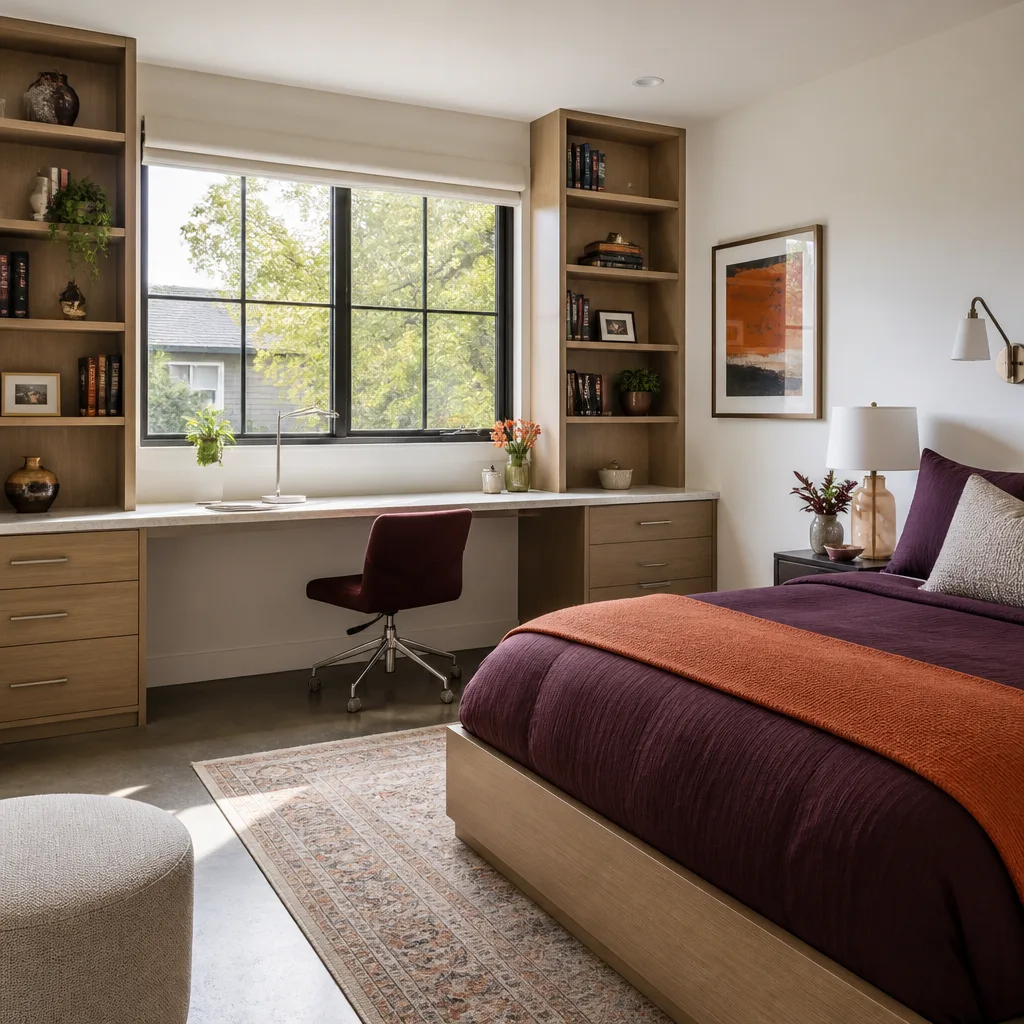
A Garage Apartment Conversion in Los Angeles is the process of transforming a garage into a self-contained living space that functions as an apartment, often without full ADU plumbing if you’re keeping it simple. Some Los Angeles homeowners want a studio with a kitchenette and a three-quarter bath. Others want a one-bedroom unit they can list for rent. The cost range in Los Angeles is $100,000 to $220,000 for a permitted apartment conversion, with the higher end reflecting detached garages that need new foundations, upgraded electrical service, and sewer line connections.
Attached vs. Detached Garage Scope
An attached garage conversion in Los Angeles often shares a wall and roof line with the main house, which can simplify some structural work but still requires the continuous load-path connections and shear paneling the city checks. A detached garage conversion brings foundation questions front and center, since that freestanding slab was rarely poured to spec. We quote both scenarios daily, and the written price reflects the actual condition of your structure, not a guess.
Solar, Drainage, and the Los Angeles Rain Reality
Los Angeles gets roughly 15 inches of rain a year, but when it does rain, it can pour for days. That matters for a garage apartment conversion because the added square footage needs proper drainage and waterproofing detail where the new slab meets existing grade. A cheap quote often skips the perimeter drain or the waterproof membrane at the stem wall. Ours includes it as a standard line item, because we’d rather price it upfront than argue about a wet floor later.
Trusted Brands We Service in Los Angeles
Our Los Angeles crews work regularly with Abodu and Cover prefab ADU systems for homeowners who want a faster build timeline, and we pair those with James Hardie siding for a finish that holds up to the dry heat and ultraviolet exposure we get here. For garage conversion ADUs with conventional framing, we specify Simpson Strong-Tie hold-downs and rated shear hardware because that’s what the city’s wind-load tables demand. We keep common Los Angeles-specific parts on hand or readily available through local suppliers, which means fewer multi-week delays waiting on backordered connectors. If you already have plans from one of these manufacturers, we’ll review them against your lot’s actual conditions in Los Angeles and give you a written price for the site work.
Common Garage Conversion Contractor Problems We See in Los Angeles Homes
- Thin original slabs on pre-war garages. In neighborhoods like West Adams and Highland Park, detached garages from the 1920s often sit on 4-inch slabs that look fine but fail current thickness requirements under Los Angeles wind-load tables. The inspector rejects the foundation, and the project stalls until the slab is replaced.
- Missing continuous load-path connections. Some contractors frame with standard nails and skip the embedded hold-downs and hurricane straps. The city red-tags the work when it checks continuity from roof to slab, and the homeowner pays for tear-out and re-framing.
- Non-rated windows and doors from big-box retail. Los Angeles requires pressure-rated fenestration on garage conversions in many zones. Installing off-the-shelf units leads to a failed final inspection and a repurchase, which adds cost and weeks to the schedule.
- Skipped drainage at the new slab edge. Los Angeles’s rare heavy rains expose improper waterproofing quickly. A missing perimeter drain or membrane shows up as a damp wall or standing water after the first winter storm, and fixing it afterward costs far more than doing it during the build.
Pricing for Garage Conversion Contractor in Los Angeles, CA
Here are honest Los Angeles market ranges based on the work we quote every week. A simple attached garage-to-living-space conversion runs $60,000 to $100,000 when there’s no plumbing and the slab passes inspection. A garage conversion ADU with kitchen and bath runs $120,000 to $240,000. A garage apartment conversion with full utilities runs $100,000 to $220,000. The biggest cost drivers in Los Angeles are slab replacement, sewer lateral distance, electrical service upgrades, and whether the structure is attached or detached. Every quote we give is a written, line-item price before any work begins. No change orders at the door, no re-quotes after demo. Call (213) 698-7116 for a free estimate on your specific garage.
We Also Serve Cities Near Los Angeles
While this page focuses on Los Angeles, our crews regularly handle garage conversions in Lawndale, Culver City, Manhattan Beach, and Venice. If you’re just outside the city line, call us and we’ll confirm coverage. For a broader look at how we work across the region, see Garage Conversion Contractor in Los Angeles for details on our service area and process.
Serving Los Angeles, CA - Our Local Coverage Area
We’re based in the Los Angeles area and know this community well. Use the map below to see our service coverage - if you’re nearby, we can almost certainly help.
FAQs About Garage Conversion Contractor in Los Angeles
Your Los Angeles garage conversion must meet the wind-load requirements set out in the 2022 California Building Code for Seismic Design Category D, which means a continuous load path with embedded hold-downs, hurricane-rated straps, and shear panels rated for your specific exposure category. The exact pounds-per-foot uplift rating depends on your lot’s exposure and roof geometry, but a compliant quote includes engineered connections from roof to slab. Call (213) 698-7116 and we’ll tell you what your structure needs based on its actual dimensions and location.
Because the slab under a 1920s or 1930s detached garage was typically poured 4 inches thick with no rebar or wire mesh, and that fails the minimum thickness and reinforcing requirements the city enforces under current wind-load tables. On a 1920s detached garage in West Adams, our crew removed the original 4-inch concrete slab after an inspection confirmed it was too thin for current seismic and wind-load codes. We poured a new 6-inch slab with embedded Simpson Strong-Tie hold-downs, then framed the garage conversion with double top plates and engineered shear walls. The city inspector passed the load-path connections on the first visit. Looking at the slab from above tells you nothing; the thickness is what matters.
We specify Simpson Strong-Tie hold-downs and straps, engineered shear wall panels with rated nailing schedules, and pressure-rated windows and doors that meet the city’s fenestration requirements. For prefab options, we work with Abodu and Cover systems engineered for California seismic and wind loads, and we finish with James Hardie siding where the design calls for it. Every product on our quote is called out by name and rating so the inspector can verify it on site. Call (213) 698-7116 for a written quote that lists exactly what your build needs.
Documented wind-load and seismic compliance gives your insurer written evidence that the converted space meets current code, which can prevent a premium increase or a coverage exclusion for that added square footage. When your inspection reports and product specifications are on file, the carrier has a clear record that the structure was built to withstand the wind and seismic forces Los Angeles zones require. We provide that documentation with every completed conversion, and we keep records your insurer can request. Call (213) 698-7116 if you want to discuss how we document compliance on your build.
A compliant quote includes the slab replacement or thickening, embedded hold-downs and hurricane straps, rated shear panels, pressure-rated windows and doors, perimeter drainage at the new slab edge, and the inspection fees for verifying the load path. A cheap quote skips most of that, then the homeowner pays for change orders when the city flags the foundation or the framing. Our written price includes these items from the first day. Call (213) 698-7116 for a free estimate that shows you the full scope in writing before you commit.
Written by Russ Delmar, Owner at Lodgewick ADU Los Angeles, serving Los Angeles homeowners since 2010.