James Hardie Site Prep & Utilities: The Los Angeles Owner’s Guide
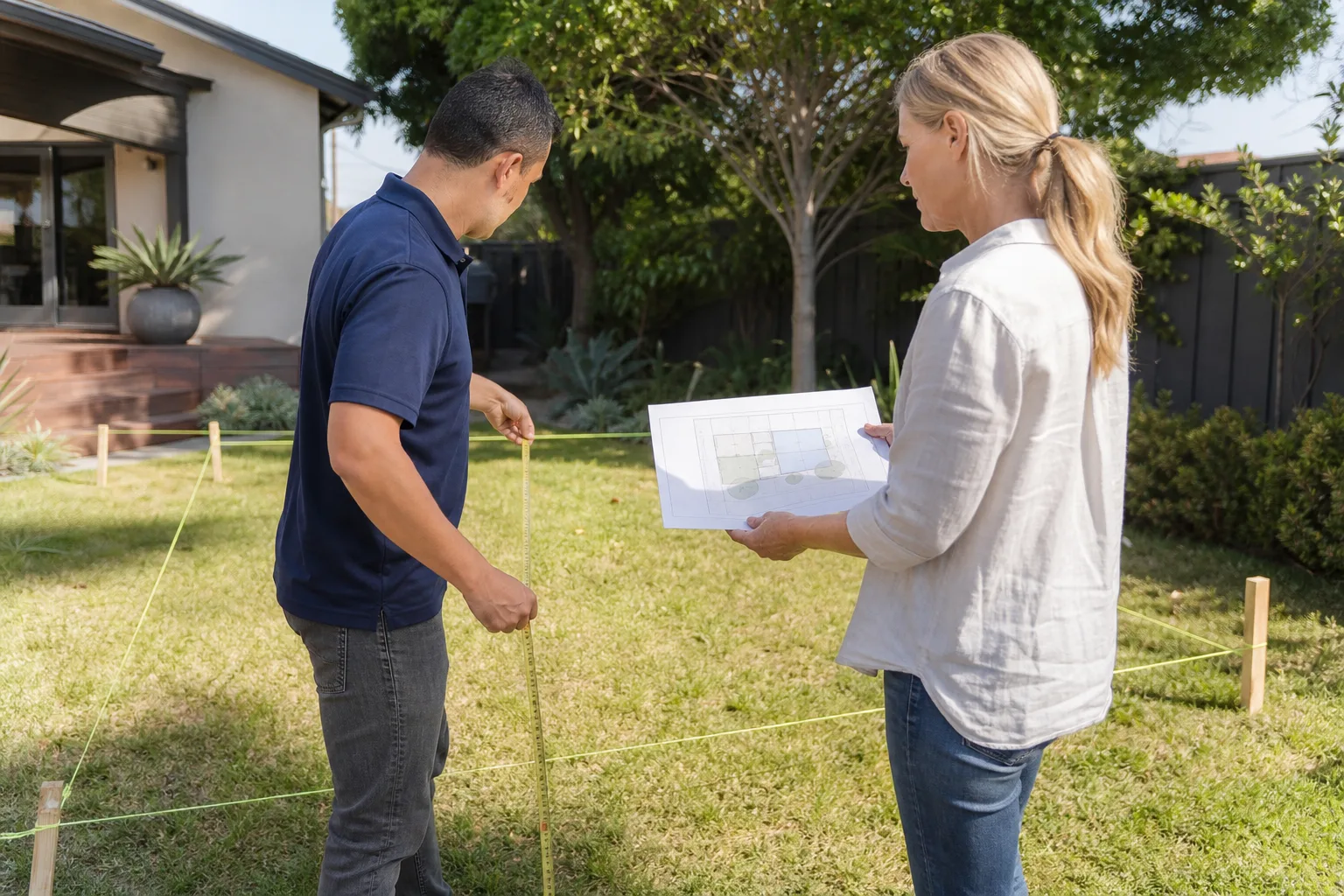
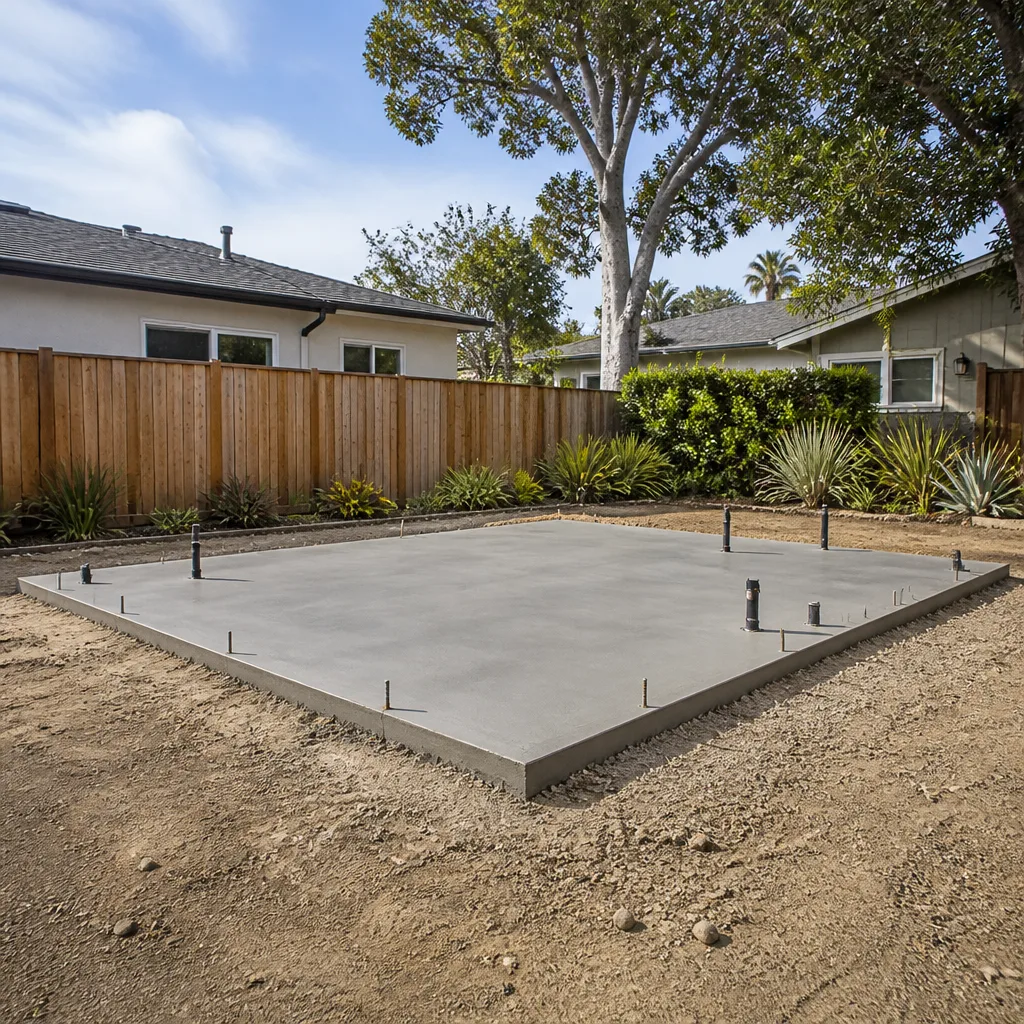
Site prep and utility rough-in for a James Hardie-clad ADU in Los Angeles typically runs $4,800 to $14,500 depending on lot conditions, trench lengths, and panel placement, and most jobs are completed in five to nine working days. Homeowners usually discover a failed prep or utility line the hard way: a tripped outdoor breaker after rain, a trench that settled and pulled a gas line loose, or an exterior outlet that stopped working because water found a gap behind the Hardie board. The good news is that most of these failures are repairable without tearing into the siding itself, and we stock the common boxes, conduit, and fittings on every truck.
Here’s the thing about James Hardie products in Southern California: they shed water beautifully, but only when the substrate behind them was prepped correctly. We see more utility failures from bad prep than from the Hardie material itself. Los Angeles gets exactly two kinds of weather, dry and suddenly very wet, and that cycle is rough on every seam where siding meets electrical, gas, or plumbing rough-in.
Which James Hardie Models This Applies To
Site prep and utility rough-in logic applies to every James Hardie siding product line: HardiePlank lap siding, HardiePanel vertical siding, HardieShingle, and HardieTrim boards. Where it gets specific is thickness and reveal. HardiePlank comes in 5/16″ (CED 10) and 7/16″ (CED 25 and CED 50) thicknesses, and a HardiePanel install with a 7/16″ panel takes a different utility box extension than a 5/16″ lap reveal does. If the original installer used the wrong depth box, the box sits proud of the siding and water runs behind the faceplate.
Identifying what’s on your wall matters less than measuring what’s behind it. We check the depth from the face of the Hardie material to the box or fixture edge, then match the extension ring or hood to that measurement. One compatibility gotcha worth knowing: James Hardie’s installation specs require a minimum 1/8″ gap between siding and any rigid object like a meter box, light fixture, or hose bib flange. In Los Angeles, where our temperature swing runs maybe 40 degrees in a year (boring for siding, but the sun beats on west-facing walls hard), undersized gaps cause the Hardie board to press against the fixture and crack around the fasteners.
We use OEM-compatible flashing and gaskets matched to Hardie’s specs, and we’ll quote quality aftermarket options when they’re genuinely equal (Weather Shield and RectorSeal make fine electrical-rough-in products that don’t carry Hardie’s parts markup). Lodgewick ADU Los Angeles is an independent service provider and not affiliated with James Hardie; we just know the material well because we work with it on ADUs across Los Angeles every week.
Signs Your James Hardie Site Prep & Utilities Is Failing
- Exterior outlet or light fixture has a soft, spongy feel when you press near the box. Water has been getting behind the Hardie board and the trim around the box has begun to rot or delaminate. In Los Angeles this usually starts on the exposed west or south wall.
- Meter panel or outdoor breaker trips after even light rain. Moisture is tracking along a conduit connector into the panel, or a gasket has shrunk in the dry heat and cracked. This is the one we treat as urgent because it’s a shock and fire risk.
- Hose bib or outdoor faucet wobbles when you turn the handle. The blocking behind the Hardie panel was never anchored to the stud, or it has worked loose. Left alone, the movement cracks the siding around the flange.
- Brown staining below an exterior light, outlet, or utility penetration on the Hardie board. That’s tannin bleed from the trim behind, or rust from a non-stainless fastener. Hardie itself doesn’t stain like wood, so when you see streaks, something behind it is failing.
- Visible gap opening between the siding and a pie plate, hood, or meter riser. The caulk joint has failed and the 1/8″ gap James Hardie specs has become a 3/8″ gap that’s letting dust and rain in. At that point, sealing alone won’t fix the underlying movement.
Replacement Cost & What’s Included
Here’s the straight dollar range for Los Angeles work, because no one should have to call just to get a ballpark:
- Single exterior outlet or light fixture waterproofing and box correction: $380 to $720
- Hose bib replacement with proper blocking and Hardie-compatible flashing: $450 to $900
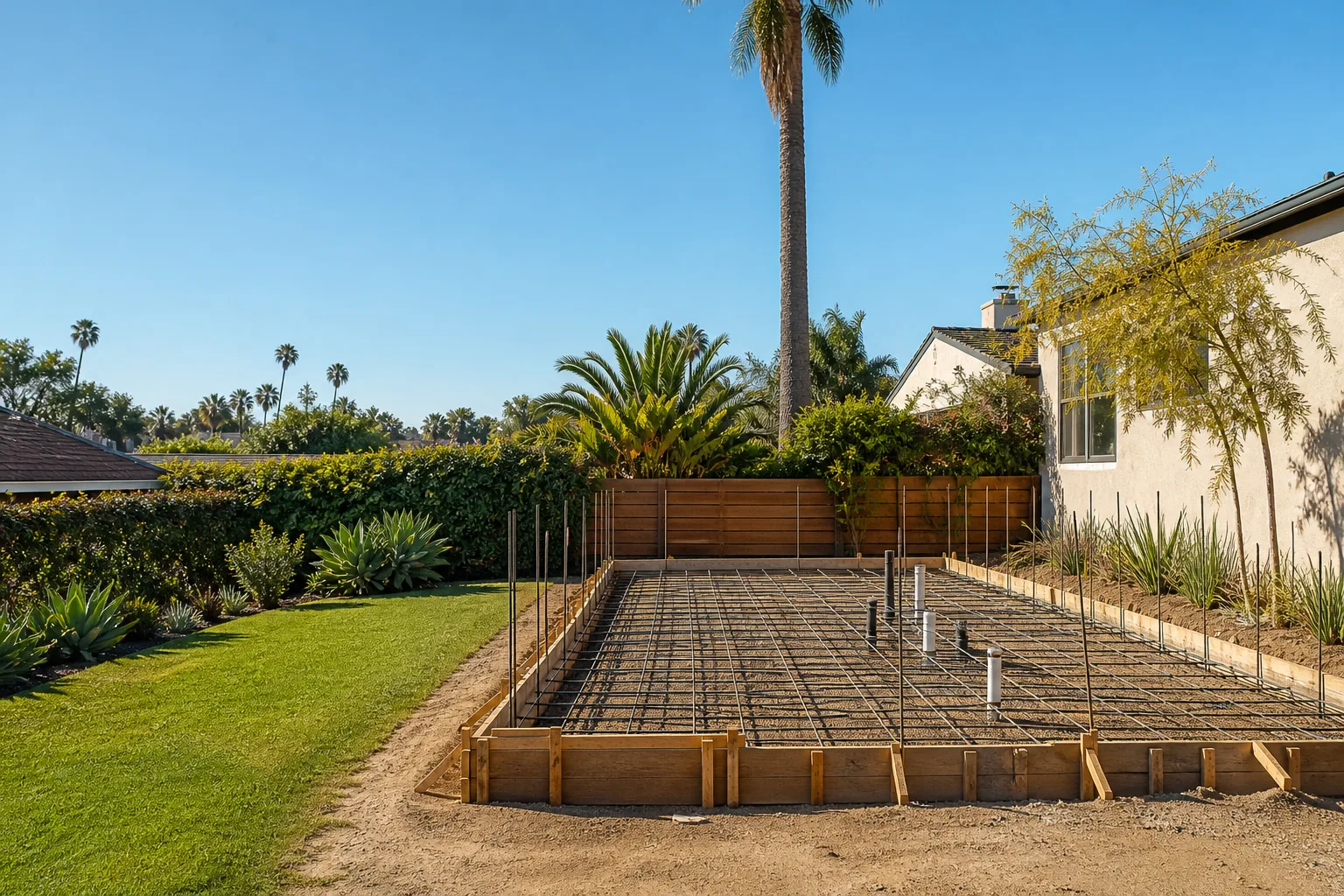
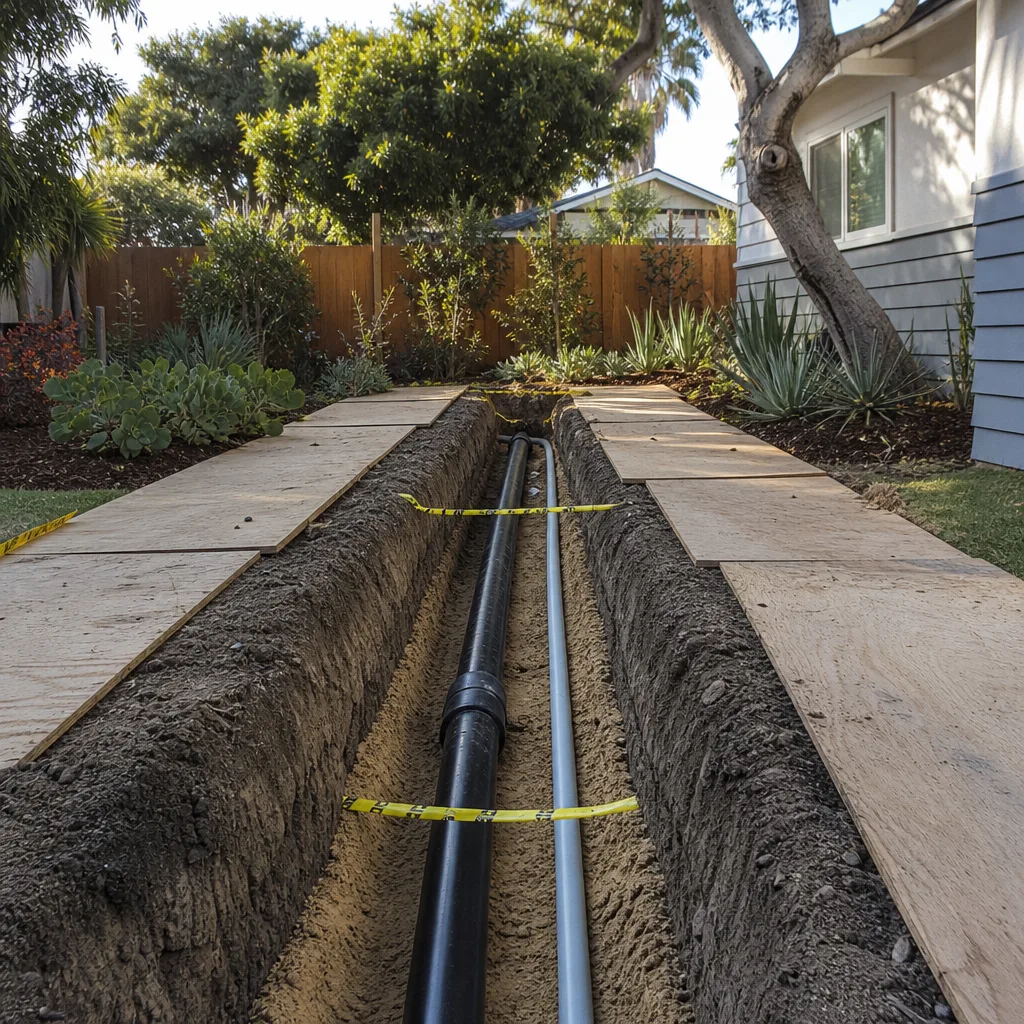
- Full exterior utility rough-in for a new ADU (site prep, RV-compatible pedestal or panel feed, conduits, trenching, backfill): $4,800 to $14,500
- Gas line trench and riser repair for a garage-conversion ADU: $950 to $3,200
What moves the price in Los Angeles is almost always the ground. A Silver Lake hillside with rock three feet down costs more to trench than a flat Inglewood lot. The estimate includes the parts, labor, permits, and a written line-item scope. We don’t do change orders at the door, and every prep and utility job carries the 365-Day Done Right Promise: if it’s not right, we come back and make it right, in writing.
DIY or Call Us?
You can safely check your own Hardie install: press near exterior outlets for softness, look for brown staining below penetrations, and confirm the 1/8″ spacing around boxes and fixtures. That’s all check-look-document territory, and we encourage it. What we’d tell you to skip is any attempt to pull an exterior box, re-anchor blocking behind Hardie board, or mess with outdoor electrical connections without training. That’s behind-siding work that involves live wiring and waterproofing details that fail quietly if done wrong. One honest note from Russ Delmar, our owner in Los Angeles: the most expensive utility repairs we see come from well-meaning homeowners who sealed a box with indoor caulk, and then water sat behind it for a year undetected.
If what you’re seeing looks like any of the signs above, call us at (213) 698-7116. We’ll tell you over the phone whether it sounds like a simple fix or needs a site visit, and the estimate won’t cost you a thing.
FAQs
Properly installed prep and utilities should perform for 30 to 40 years in Los Angeles, which lines up with the lifespan of the Hardie siding itself. The weak points aren’t the conduit or the panels; they’re the gaskets, caulk joints, and flashing, which in our dry-then-wet local climate last 8 to 15 years before needing refresh. Call (213) 698-7116 if yours is showing age and we’ll tell you what actually needs replacing versus what just needs a re-seal.
In most cases, yes. We can pull the box or fixture, correct the blocking or add a proper extension ring, flash it correctly, and tuck a new weather barrier behind the existing Hardie seam without replacing a single plank. Full siding removal is only needed when the Hardie board itself is cracked around the fasteners or the sheathing behind has rotted. Call (213) 698-7116 and we’ll tell you which situation you have.
A single outlet, light, or hose bib correction is a half-day to one-day job. Full exterior utility rough-in for a new ADU runs five to nine working days, including trenching, inspections, and backfill. We give you a written arrival window before the crew shows up, and a live person answers the phone 24/7 if you have a question mid-project.
Yes. Our trucks carry the common waterproof boxes, extension rings, flashing, gaskets, and stainless hardware matched to HardiePlank and HardiePanel thicknesses, so most single-fixture repairs are done in one visit without a second trip for parts. We also work with Abodu, Cover, and Dvele systems on a regular basis, so we keep those utility interfaces stocked too. Call (213) 698-7116 for a free estimate and we’ll confirm what we have on hand for your specific setup.
Written by Russ Delmar, Owner, Lodgewick ADU Los Angeles at Lodgewick ADU Los Angeles, serving Los Angeles and nearby areas.