Mighty Buildings Site Prep & Utilities: The Los Angeles Owner’s Guide
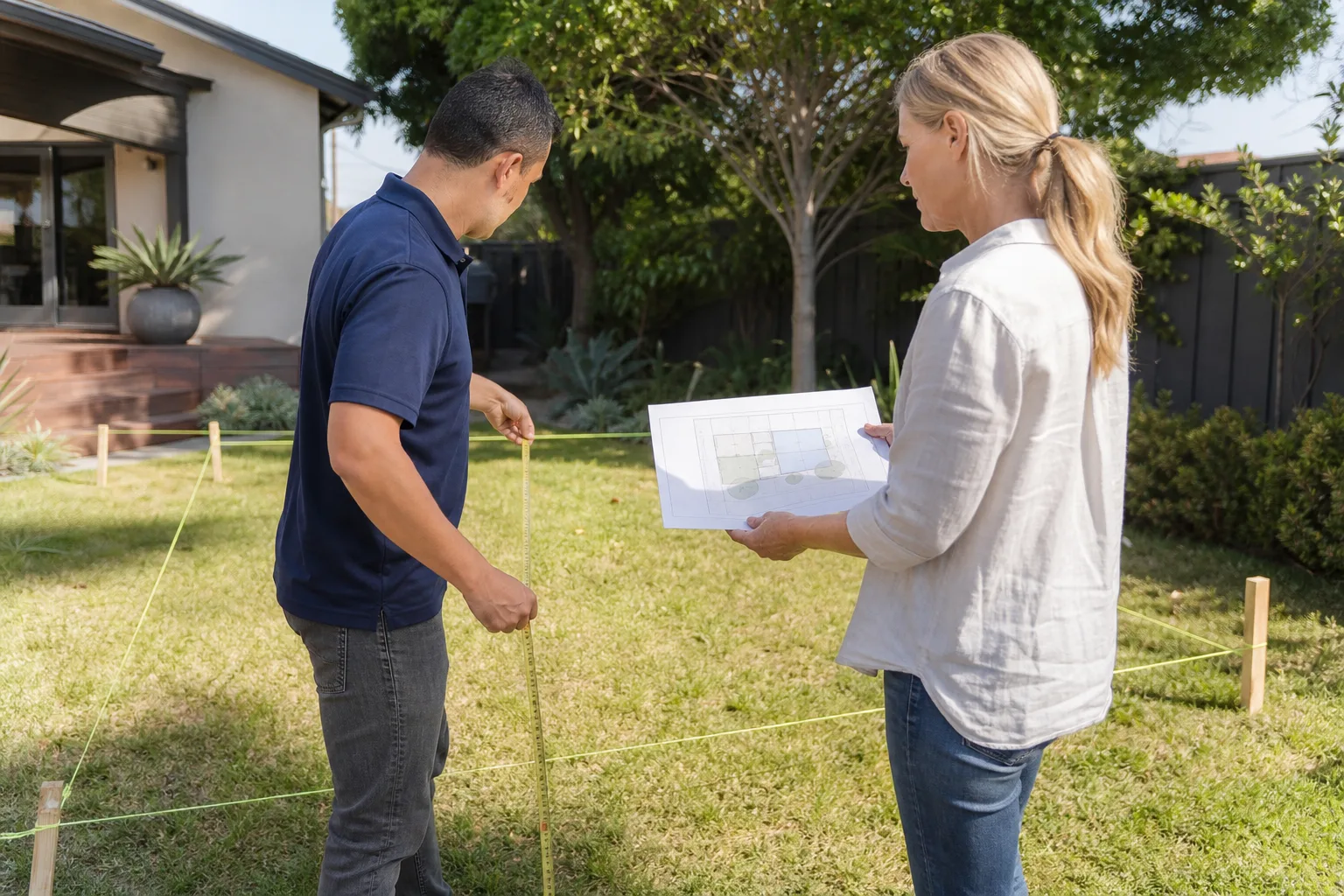
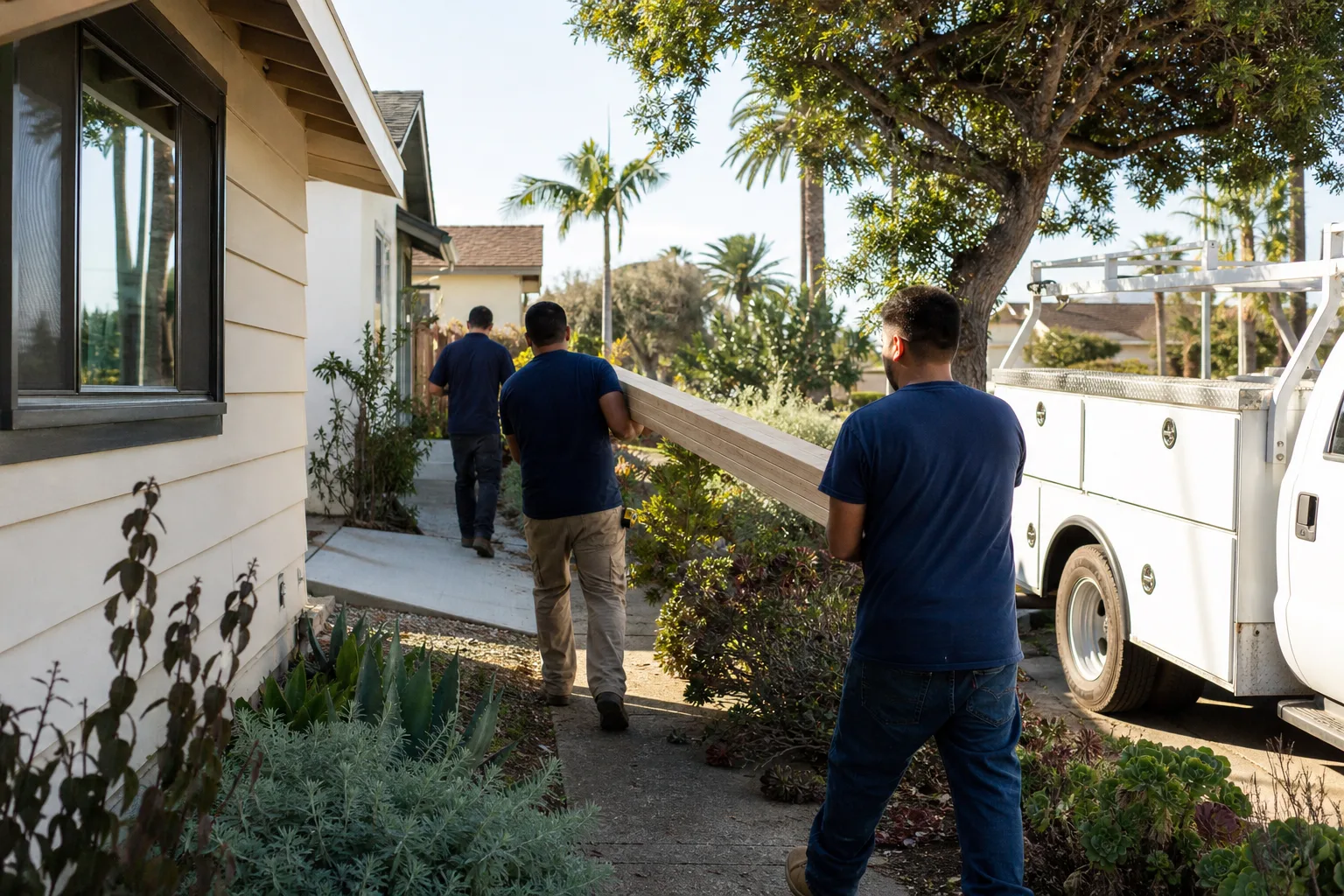
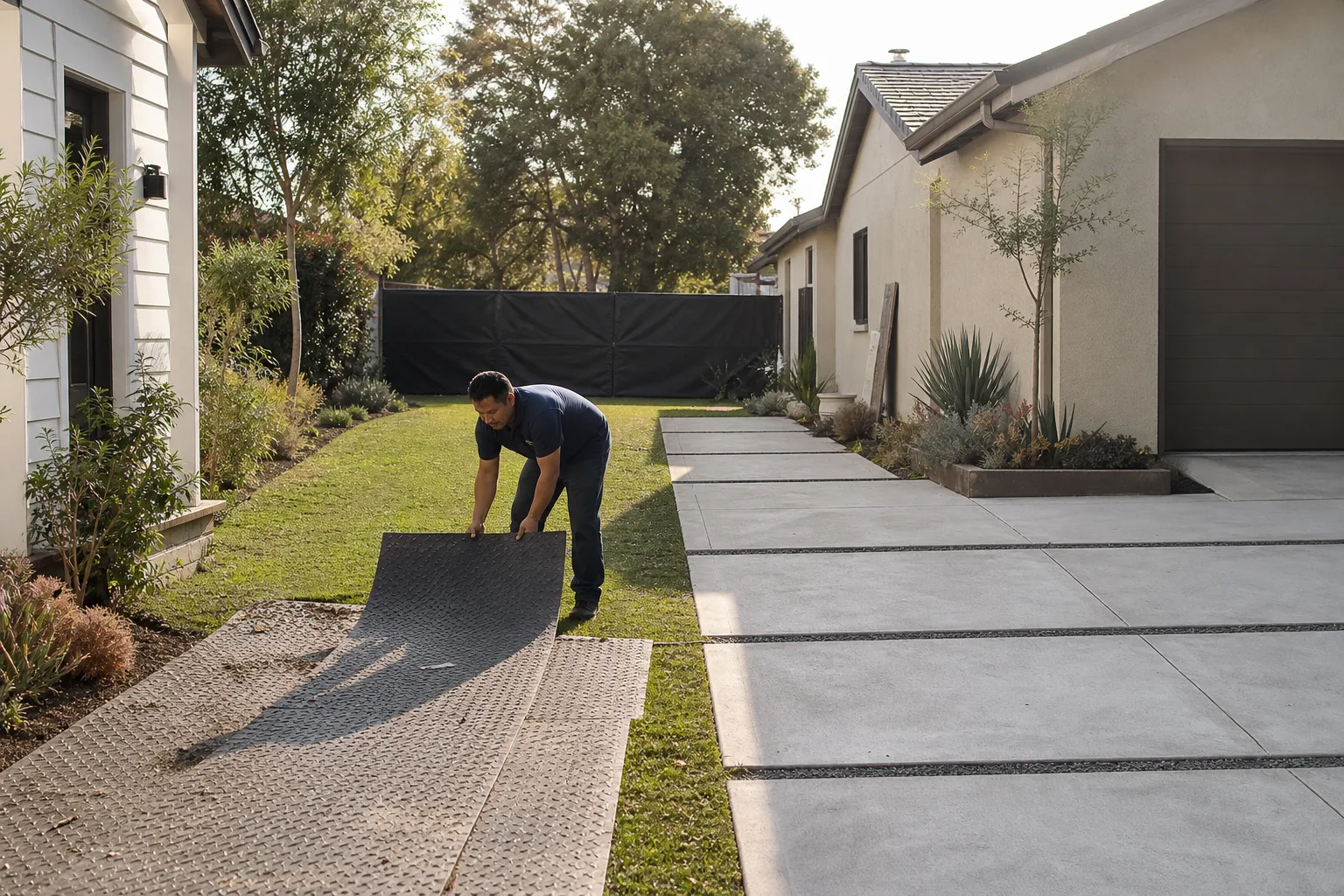
Site prep and utility work for a Mighty Buildings unit in Los Angeles typically runs $14,000 to $38,000 installed, depending on your lot’s slope, soil condition, and how far the utility trench has to go. We stock the connectors, conduit, and site-specific hardware these panelized units need, and we can usually start within two weeks of your written approval. Most owners find out their site prep was done wrong when the unit sits slightly off-level, or when LADBS flags the utility connection during inspection because the trench depth didn’t match the approved plan.
Here’s what most people don’t hear until it’s too late: Mighty Buildings units arrive as a kit of factory-built panels and modules, and the site under them has to be flatter and better drained than a standard stick-frame ADU. Los Angeles lots in neighborhoods like Palms, Westchester, and the Valley floor can have expansive clay that moves seasonally. Dig a trench in August, backfill it in February, and you’ll see why the utility stub-outs shift. That’s the failure we fix most often: a conduit or gas line that pulled loose because the soil wasn’t compacted in lifts and the trench wasn’t bedded correctly.
Which Mighty Buildings Models This Applies To
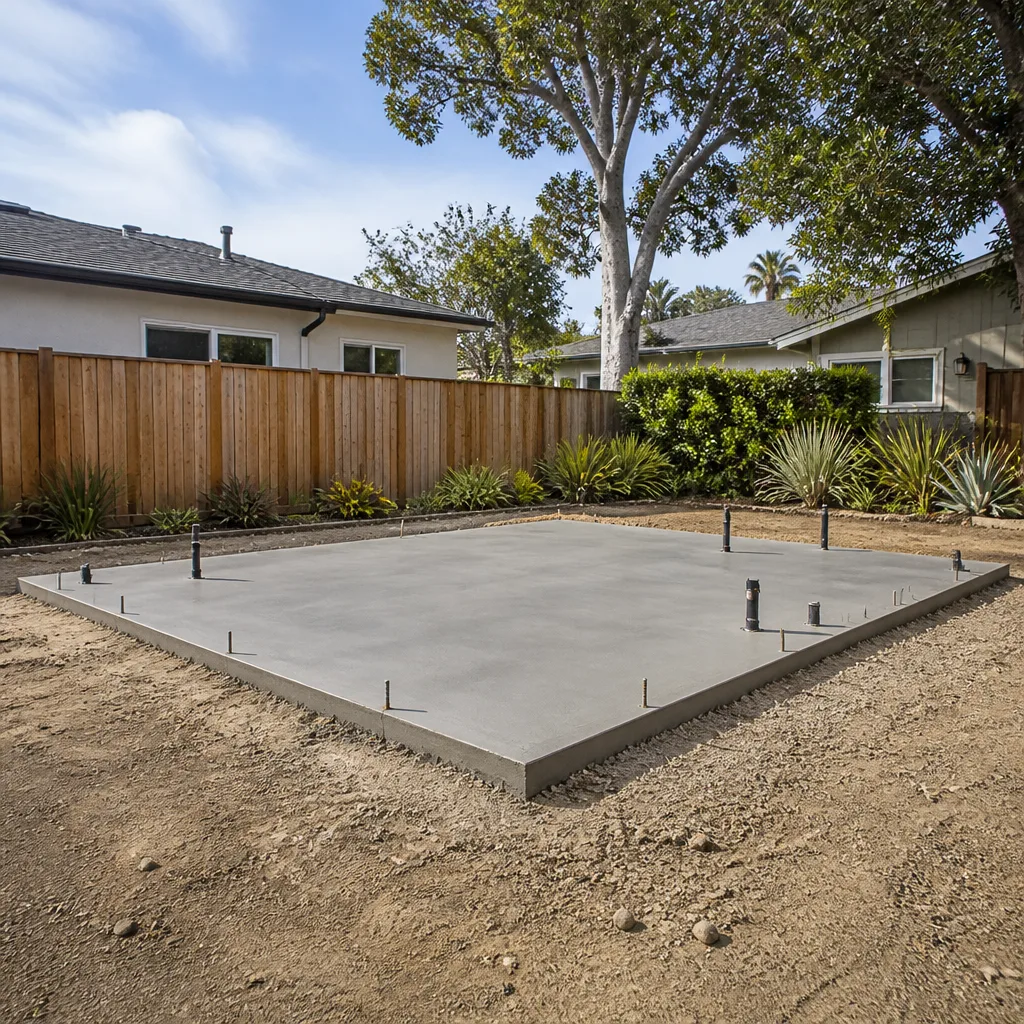
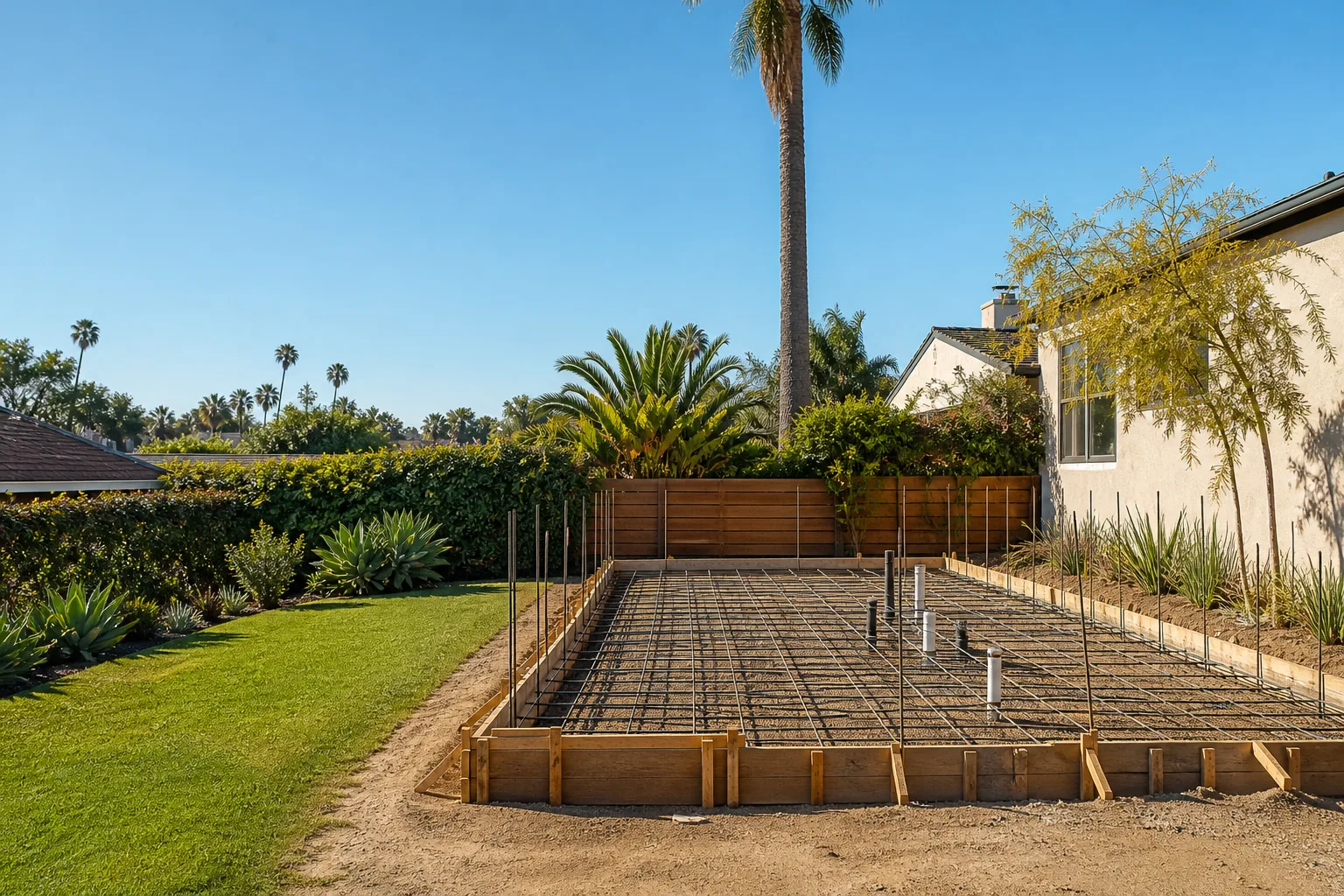
This page covers site prep and utility rough-in for the Mighty Buildings Mighty House, the Mighty Duo, and the Mighty Mod series. The site-side requirements are consistent across all three: a compacted gravel or concrete pad with a tolerance of 1/4 inch over 10 feet, a frost-depth footing (not much of an issue in Los Angeles, but LADBS still wants the standard 12-inch minimum), and utility stubs that land within a 4-inch window of where the factory marked them on the panel drawings.
The compatibility gotcha with Mighty Buildings is the utility chase routing. The Mighty House and Mighty Duo run electrical and plumbing chases through the floor cassette, which means the stub-outs have to come up through the pad at exact coordinates. If the plumber sets a drain stub 6 inches off, the factory floor cassette won’t seat, and you’re cutting concrete to move it. We’ve had to do that fix on two Los Angeles jobs where the original site contractor didn’t pull the Mighty Buildings erection drawings. OEM site-prep kits from Mighty Buildings are available, but honestly, the components are standard SCH 40 PVC, 2-inch rigid conduit, and 1-inch PEX sleeving. Quality aftermarket materials work fine as long as the layout comes straight off the factory CAD file. We keep the common fittings and transition boots on the truck, so a correction visit doesn’t wait on a parts order from the factory.
Signs Your Mighty Buildings Site Prep & Utilities Is Failing
- Unit sits off-level by more than 1/4 inch over 10 feet. You’ll notice doors that bind or a floor that slopes toward one corner. This means the pad has settled unevenly, usually because the subgrade wasn’t compacted in 6-inch lifts or a drainage path is eroding the fill. Mighty Buildings tolerances are tighter than a stick-frame floor, so even minor settling shows up.
- Cracks in the pad radiating from the utility stub-outs. Concrete cracks at the weakest point, and a trench backfilled with loose soil under the stub area will settle first. What looks like a surface crack is often the first sign the underground conduit run is now bearing weight it wasn’t designed for.
- Water pooling at the pad edge after rain. Los Angeles rain comes in bursts, and a pad without a swale or perimeter drain sends water straight under the slab. Over a season or two, that water moves fines out of the subbase and creates voids. The slab doesn’t crack the first winter; it cracks the third.
- Main breaker trips when the heat or mini-split kicks on. Buried conduit that has shifted can score the wire insulation against a sharp edge of PVC fitting. What looks like an electrical problem in the unit is often a damaged run underground, and the fix means opening the trench, not swapping a breaker.
- Sewer smell around the pad after heavy water use. A drain stub that has separated at the glued joint lets sewer gas escape into the gravel bed. You won’t see it; you’ll smell it. This one is a health issue and a sign the original bedding wasn’t stable.
Replacement Cost & What’s Included
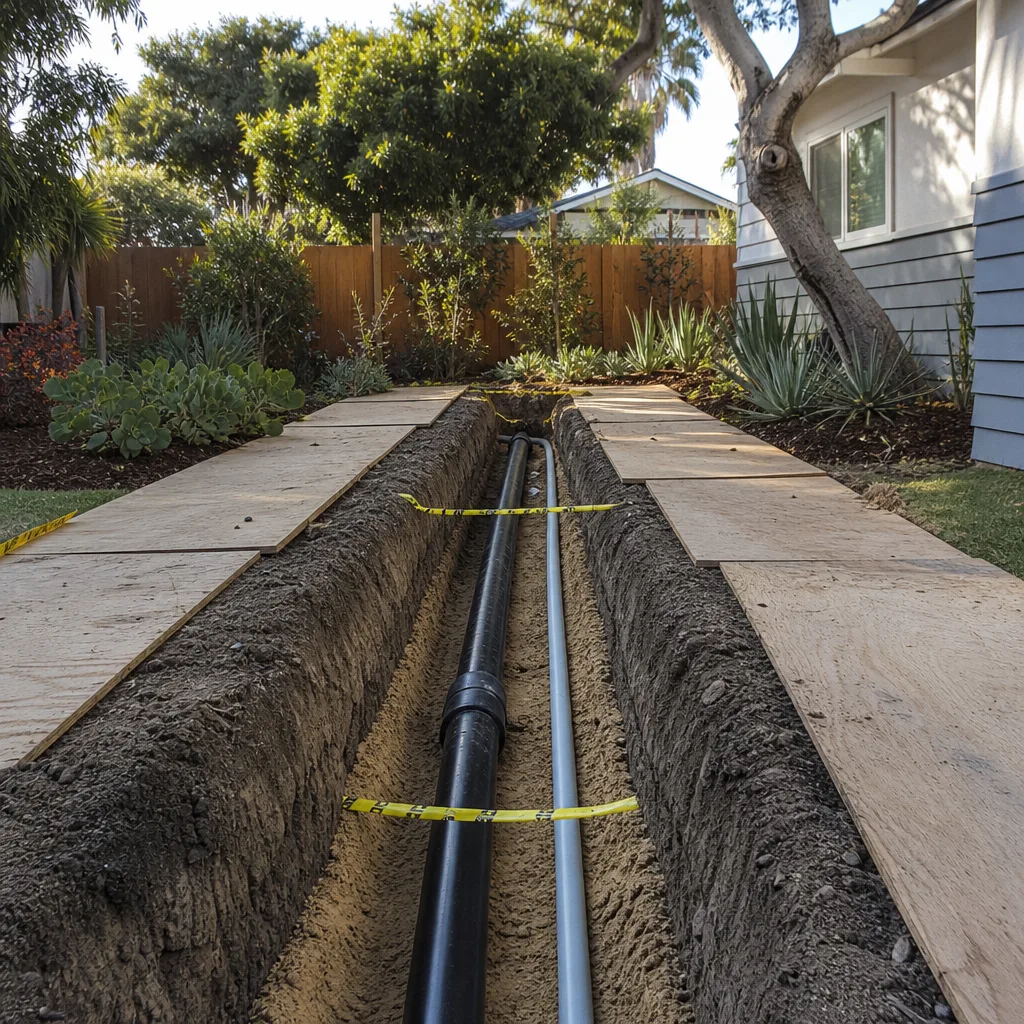
For a Mighty Buildings site prep and utilities correction in Los Angeles, plan on these ranges:
- Full site prep from bare dirt: $14,000 – $22,000, including pad excavation, subgrade compaction, gravel base, form and pour, and anchor embed placement.
- Utility trench and rough-in only: $4,500 – $9,000, including trenching to the main, conduit and plumbing sleeving, backfill in lifts, and stub-out placement per factory drawings.
- Corrective work on an existing pad or trench: $2,800 – $7,500, depending on whether we’re cutting a section of concrete or re-trenching a failed utility run.
What drives the range is your lot. A flat Culver City-adjacent lot with sandy soil sits at the low end. A hillside lot in Echo Park with bedrock 18 inches down lands at the top. Every price we give is a written line-item quote before any work starts, and it covers materials, labor, haul-off, and the permit-required inspections. If the work fails within 365 days, we come back and make it right under the Done Right Promise, in writing, on every project.
DIY or Call Us?
You can safely do the visual checks: a 4-foot level across the pad in three directions, a look at the stub-out area after rain, a walk around the electric panel with the cover on. What you shouldn’t do is open a trench that has live electrical conduit in it, cut your own concrete around gas stubs, or try to re-grade drainage without a transit. Underground utilities in Los Angeles require an accurate locate and a permit, and a damaged gas line is a genuine safety risk – leave that to a trained professional. If your checks turn up anything that looks off, call us at (213) 698-7116. We’ll send someone out, look at it for free, and tell you straight whether it needs a fix at all.
FAQs
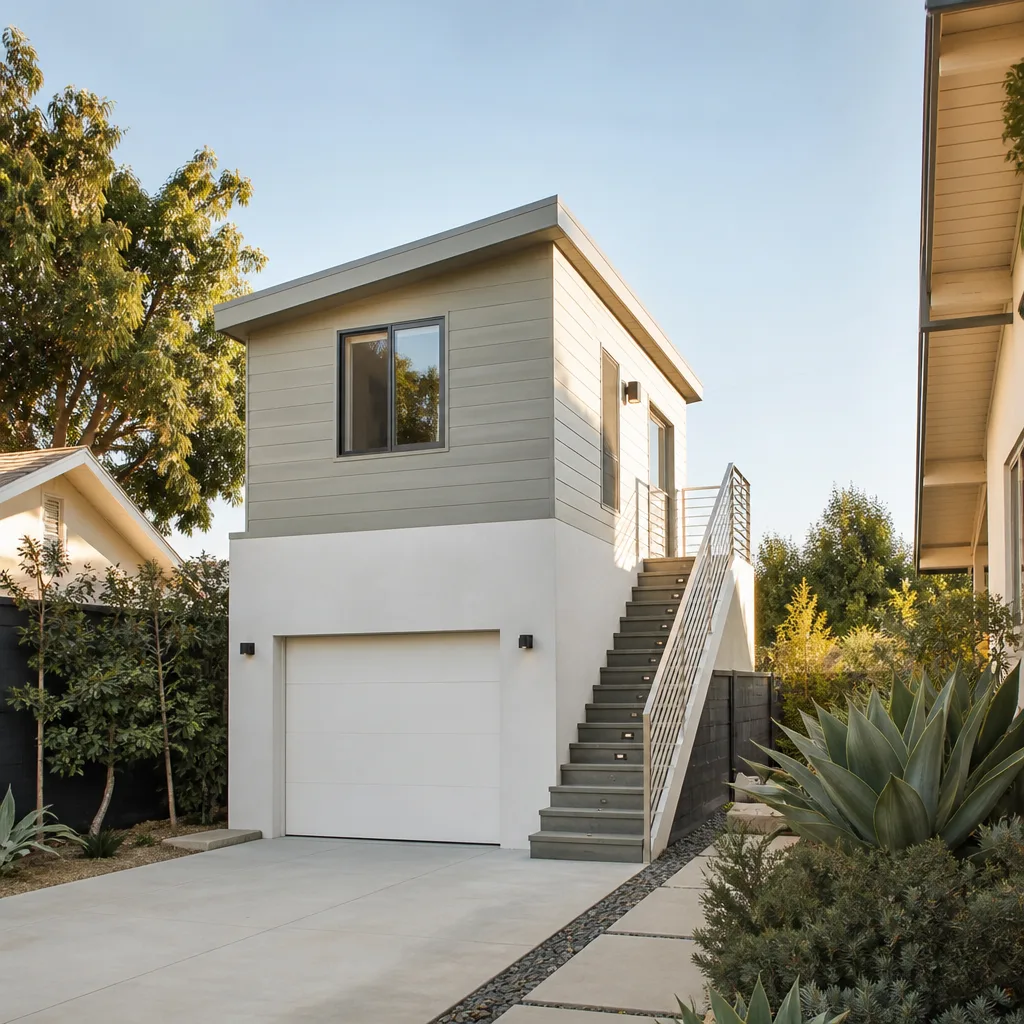
A properly compacted pad with correct drainage should last the life of the unit, and here in Los Angeles we don’t fight frost heave the way colder climates do, so the pad itself is a 50-year component. What fails faster is the utility trench, because backfill settles at a different rate than undisturbed soil. Call (213) 698-7116 if you’re seeing signs of settling, and we’ll take a look – the estimate is free.
Yes, in most cases we can cut and replace one section of pad, re-bed one trench run, or add drainage without tearing out the whole site. The repair only makes sense if the original compaction and layout were close to right; if the pad was poured on uncompacted fill, you’ll chase cracks forever. We’ll tell you which situation you’re in before we quote anything.
Most corrective work on a Mighty Buildings site in Los Angeles takes three to seven working days, depending on permit inspection turnaround and concrete cure time. A full pad pour from dirt is more like two to three weeks. We give you a defined arrival window before we start and a written timeline with the quote.
We stock the common components: anchor bolts with epoxy, J-bolts, the 4-inch window transition boots, schedule 40 sweeps, expansion joint material, and the compaction fabric. If your job needs a specialty item from the factory drawings, we order it the day you approve the estimate and it’s usually in hand within a week.
If your Mighty Buildings unit is sitting on a site that wasn’t done right the first time, don’t live with it. Tell me what you need the space to do, and I’ll tell you exactly what it’s going to take – no guessing, no runaround. The fix is often simpler than the original build, and you’ll know the price in writing before a shovel hits dirt.
Call (213) 698-7116 to schedule your free site assessment. A live person answers, 24 hours a day, not a voicemail.
Written by Russ Delmar, Owner, Lodgewick ADU Los Angeles at Lodgewick ADU Los Angeles, serving Los Angeles and nearby areas.