Abodu Home Addition Contractor in Los Angeles: What to Know First
We’re an independent Abodu home addition contractor serving Los Angeles, and here’s the straight answer: adding livable square footage to a property with an existing Abodu structure on the lot typically runs $220 – $460 per square foot for conventional construction, depending on whether you’re doing a bump-out, a second-story addition, or a full room addition. Most Abodu owners who call us need a conventional addition that complements their modular unit, not a repair to the unit itself. What that means in plain terms: we handle the site-built work, the foundation, the utility tie-ins, the permits, and the finish work that turns a modular structure plus a new addition into one cohesive home. Call (213) 698-7116 and we’ll walk the lot with you, put the scope in writing, and give you a number that won’t change at the door.
This page is for Los Angeles homeowners who already own an Abodu unit, or are about to buy one, and need a contractor who actually understands how those systems integrate with site-built additions. Russ Delmar has been running ADU builds in L.A. for fifteen years, and we’ve learned that Abodu’s factory-built shell is only half the story. The other half is the foundation, the utilities, the stairs or breezeway connecting it to the main house, and the endless little decisions about how the modular unit and the stick-built addition meet. That’s our work.
How Abodu Products Fail – and How We Fix Them
- Site-to-module transitions leak and settle. Abodu’s Studio and One Bedroom series are built in a factory and crane-set onto a site-built foundation. The seam where the modular unit meets a conventional room addition is where we see recurring problems in Los Angeles: differential settling, flashing failures, and water intrusion at the transition. The factory unit settles one way, the site-built addition settles another way, and the joint between them opens up over time. Our fix is to pour a continuous footing at the transition, install a bellows-style expansion joint, and double-flash the roofline so the two structures can move independently without letting water in.
- Foundation piers and seismic tie-downs get under-specified. Los Angeles is earthquake country, and a lot of Abodu installations were done with the minimum foundation the soils report allowed. When homeowners call us to add a room or a second story adjacent to an existing Abodu, we often find the original foundation wasn’t built to carry the load of an attached addition. The unit itself is fine; the slab under it is the limiting factor. We’ll review the original structural drawings, pull new permits, and reinforce the existing foundation before framing the addition. That’s a step a general contractor without modular experience will skip.
- Utility connections between the Abodu unit and the main house were sized for the original unit only. The factory unit’s electrical panel, water line, and sewer lateral were sized to serve one ADU, not an ADU plus a 600-square-foot addition. When you add square footage, you add load. We routinely find 100-amp subpanels feeding Abodu units that need to be upgraded to 200 amps to support a room addition with a bathroom or kitchenette. The fix is a service upgrade and a dedicated subpanel. It adds cost, but it’s the difference between a house that works and a house where the breakers trip every time the microwave and the space heater run at once.
- Roof tie-in details at the eave line are wrong or missing. The Abodu roofline is a simple shed or gable profile. When a homeowner wants a sunroom addition or a bump-out that extends under the existing roof, the roof framing has to be re-engineered at the eave. We see a lot of Los Angeles Abodu additions where a contractor just sistered new rafters onto the modular unit’s factory trusses without an engineer’s stamp. That can void the Abodu warranty and, in a heavy rain year, it leaks. Our fix is always the same: hire the structural engineer, get the calcs, pull the permit, and frame the transition correctly the first time. The Kingswell Guarantee covers the work in writing, and we come back if it fails within 365 days.
- Bathroom additions tie into the Abodu unit’s wet wall without proper venting. The Abodu One Bedroom and Two Bedroom series put the wet wall on one side of the unit. When a homeowner adds a bathroom addition that connects to the unit’s plumbing, the venting has to be reworked. A vent stack that was fine for a single bathroom backs up when you add a second bath on the other side of the wall. The symptom is gurgling drains and sewer gas in the house. The fix is a separate vent stack for the new bathroom, run through the roof, instead of tying into the modular unit’s existing vent. It’s a modest cost at rough-in and a nightmare to retrofit after drywall. We flag it at the estimate, before the framing starts.
Our Abodu Home Addition Contractor Process
Here’s how a typical Abodu home addition job runs with Lodgewick ADU Los Angeles, step by step, from the first call to the final walkthrough.
- 1
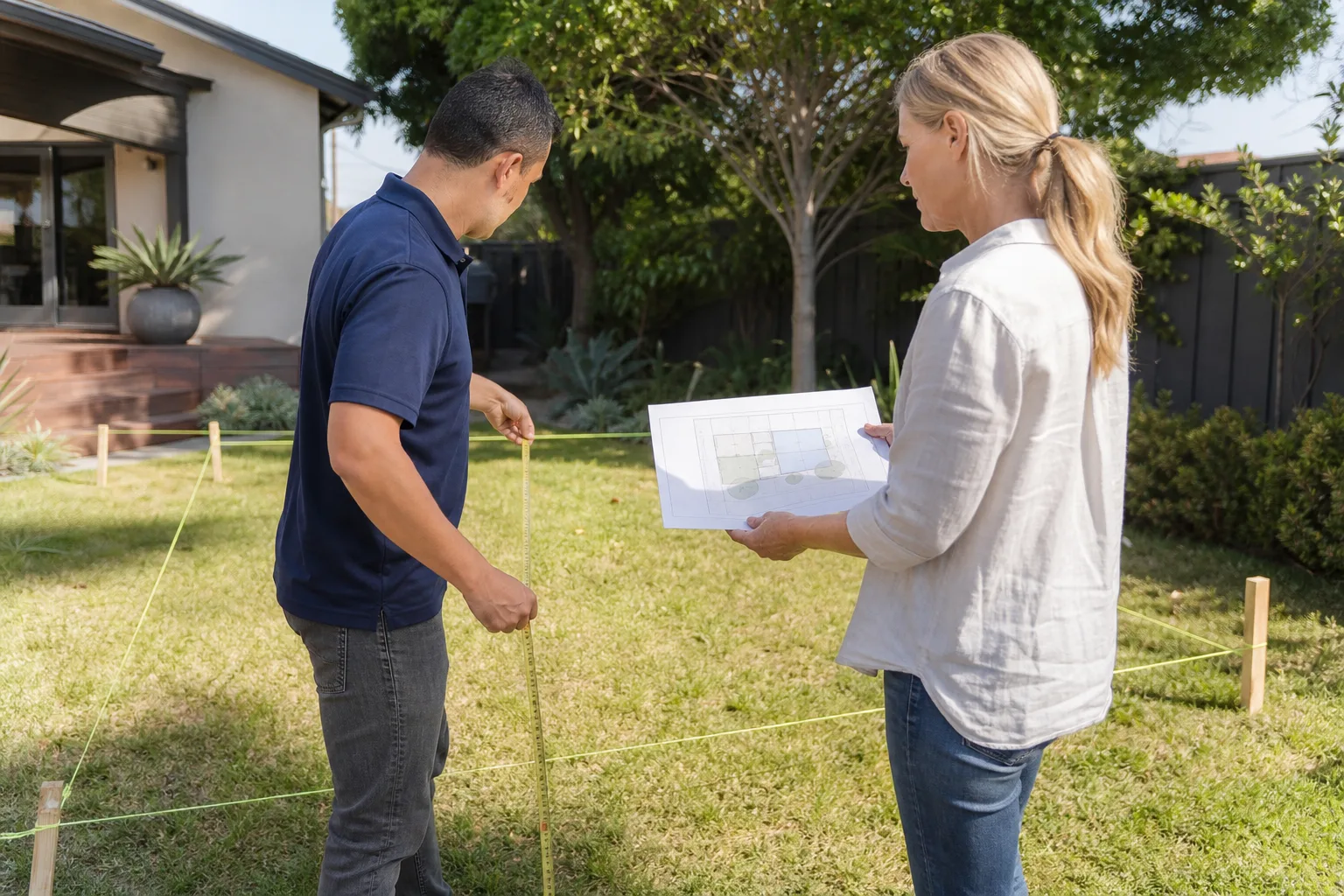
Site walk and scope write-up. Russ or one of our senior leads walks the property with you. We look at the existing Abodu unit, the foundation, the utility feeds, the setbacks, and the spot where you want the addition. We write the scope in plain English, not contract language.
- 2
Written price before any work starts. No price changes at the door. We hand you a written estimate with line items for foundation work, framing, electrical, plumbing, HVAC, drywall, paint, and finish. The number on that page is the number you pay, unless you change the scope.
- 3
Permits and soil check. Every Los Angeles addition requires permits. We pull them. We also run a soils check if the addition attaches to the Abodu unit, because the existing foundation has to be verified for load before we dig.
- 4
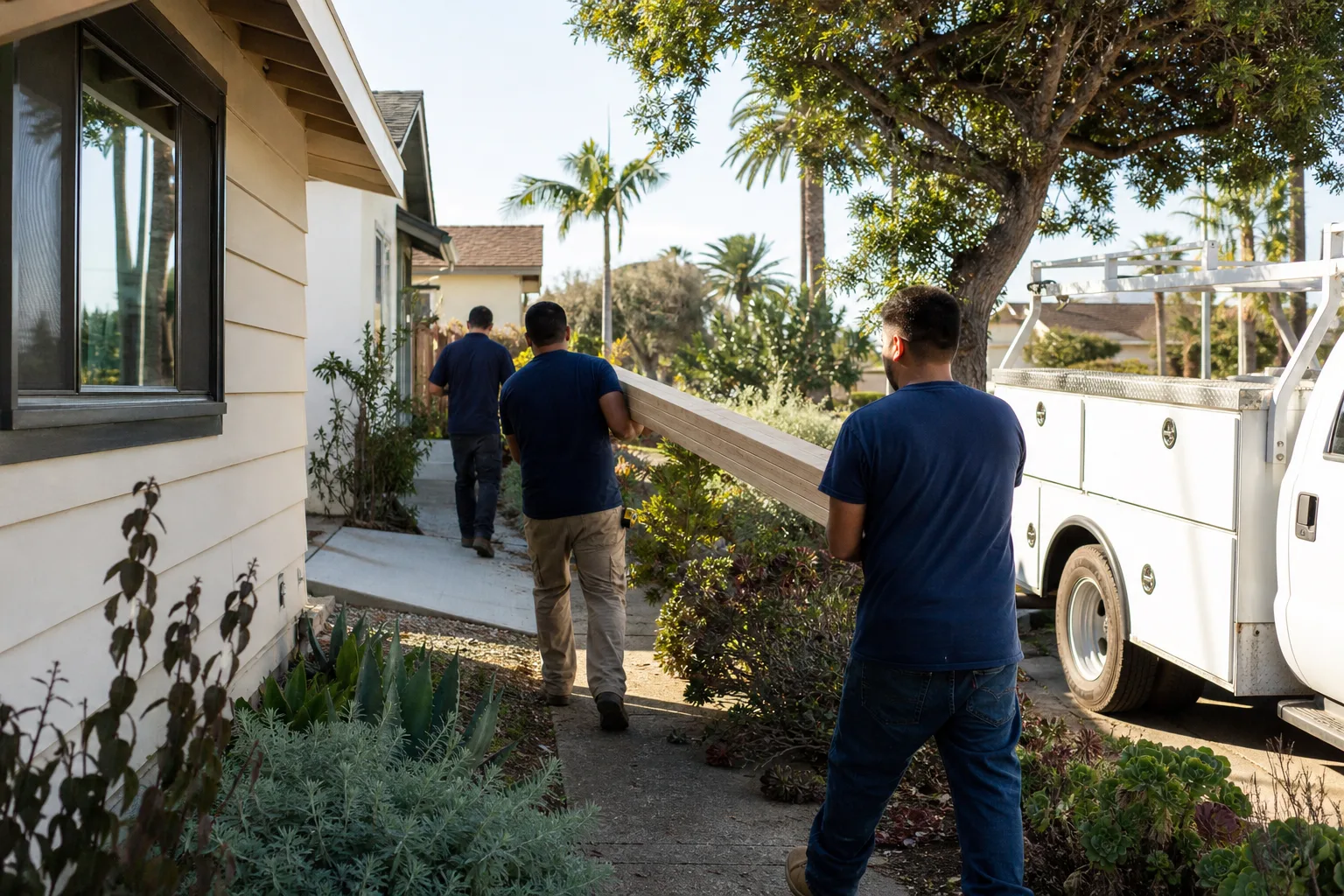
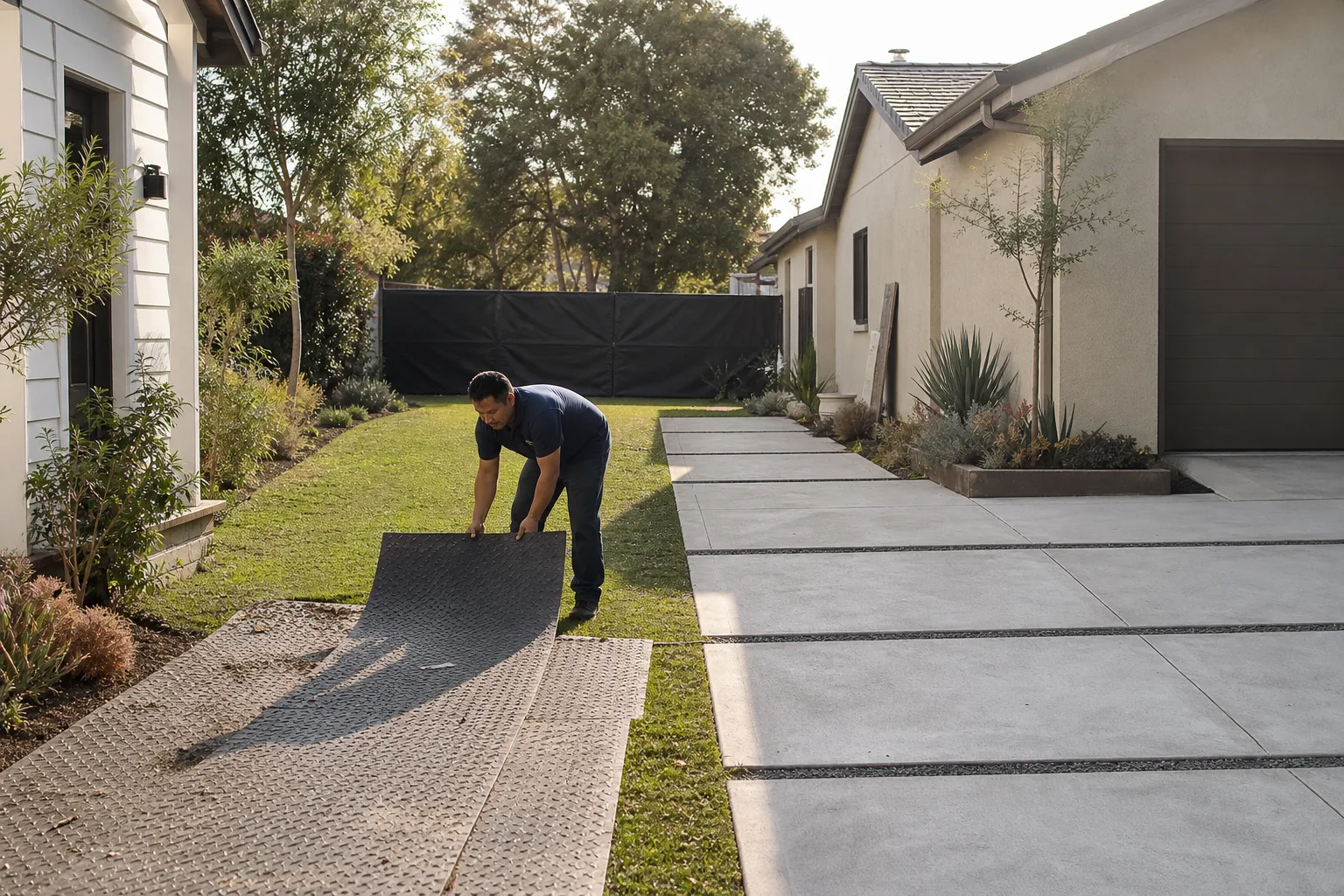
Foundation and framing. Crews show up in the window we gave you, in uniform. The job site gets cleaned at the end of every workday. We frame the addition, tie utilities, and install the transition details correctly: expansion joints, double flashing, separate vent stack, upgraded panel if needed.
- 5
Rough and finish inspections. A Los Angeles building inspector signs off at rough-in and at final. We’re on site for both. You don’t have to chase the inspector; that’s our job.
- 6
Final walkthrough and the 365-Day Done Right Promise. We walk the addition with you before we call it done. You get a written guarantee covering the work. If something’s not right within the first year, we come back and fix it. That’s in writing, on every project, no exceptions.
What Abodu Home Addition Contractor Costs in Los Angeles
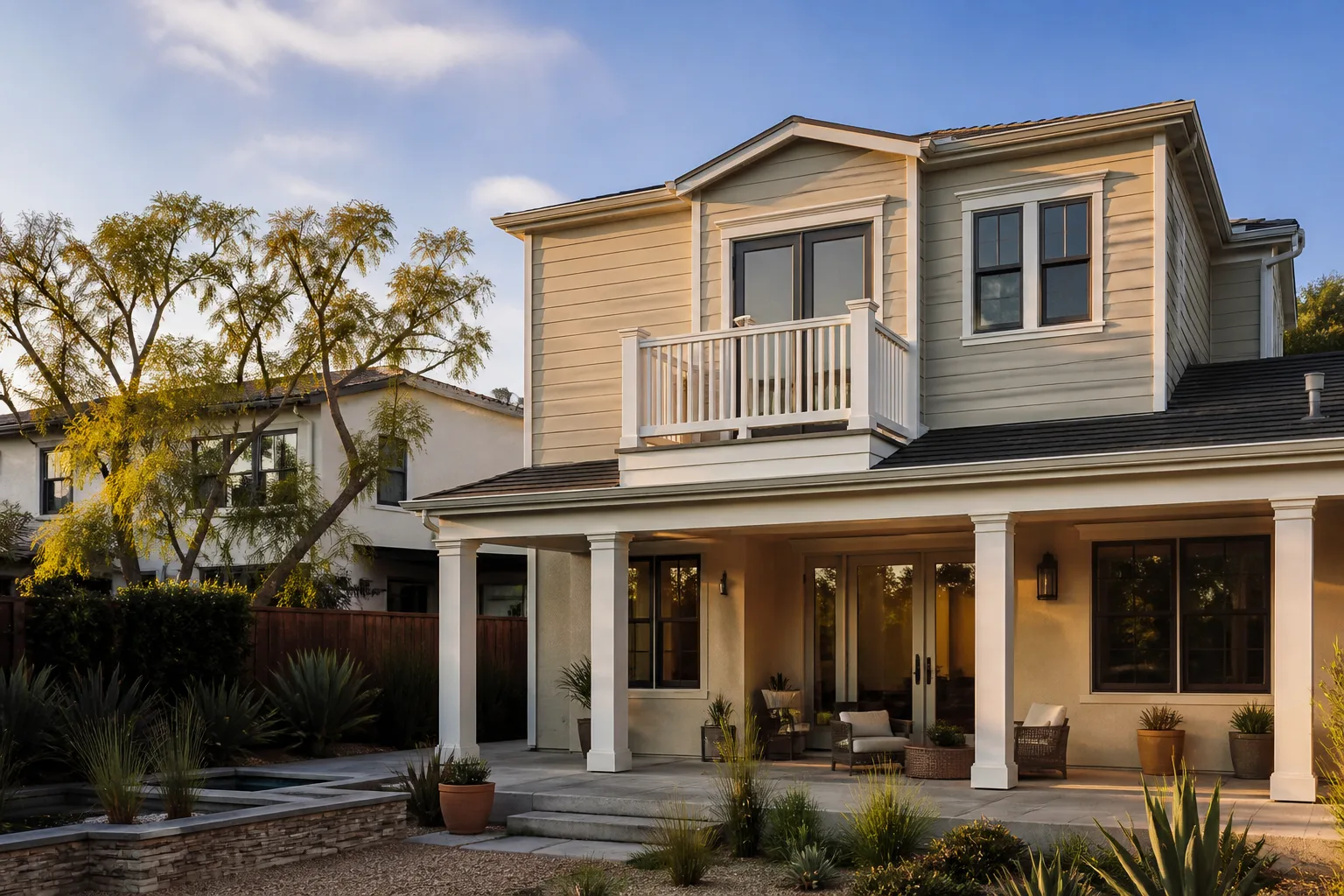
Here are the ballpark ranges we quote for Abodu-adjacent additions in Los Angeles, based on current labor and material costs. These are written-price ranges, not phone-call teases.
- Bump-out addition (extending a room 3 – 8 feet): $40,000 – $90,000
- Bedroom or office addition (200 – 400 square feet, stick-built, tied to existing structure): $90,000 – $180,000
- Bathroom addition tied to an Abodu wet wall: $55,000 – $120,000, depending on plumbing reroute and venting work
- Second-story addition over an existing Abodu unit or garage: $180,000 – $400,000 plus structural reinforcement of the existing foundation
- Sunroom addition with a glass wall system: $70,000 – $150,000
What moves the price: site access for the crane and material delivery, foundation reinforcement, utility upgrades (a 200-amp service upgrade alone runs $6,000 – $12,000 in Los Angeles), and whether the addition attaches to the modular unit or stands alone. A detached addition is almost always cheaper because you don’t have to engineer a transition. An attached addition costs more up front but gives you a continuous roofline and shared utilities. Call (213) 698-7116 for a written estimate. No price changes at the door, ever.
Why Los Angeles Homeowners Call Lodgewick ADU Los Angeles for Abodu Work
Most Los Angeles homeowners who own an Abodu unit have already been through one build. They know what it feels like when a contractor disappears, when the price climbs mid-job, or when the work fails a month after final inspection. We built Lodgewick ADU Los Angeles for those homeowners. The Kingswell Guarantee is simple: a written price before work begins, a defined arrival window, a clean job site every day, and a written guarantee on every project. If the work isn’t right within 365 days, we come back and make it right. A live person answers our phone 24/7. Not a voicemail. Not a chatbot. That matters when you’re standing in a half-framed addition and the inspector just called with a question.
We also work with the other modular brands Los Angeles homeowners buy: Cover and Dvele. If you’re comparing factory-built units or have a mixed lot with more than one brand, we can give you straight answers about how they age, what their weak points are, and what it costs to add square footage around them. Tell me what you need the space to do, and I’ll tell you exactly what it’s going to take, no guessing, no runaround.
FAQs
It can, if the addition attaches to the modular unit and the structural or roofing work isn’t done to the manufacturer’s engineering standard. The Abodu warranty covers the factory-built shell, not site-built work tied into it. An independent Abodu contractor who modifies the factory structure without proper engineering can void the shell warranty. Our approach is to treat the modular unit as a protected structure: we engineer the transition, pull permits, and never modify the factory framing without an engineer’s stamp. In most cases, the Abodu warranty stays intact because we’re building adjacent to, not into, the modular unit. Call (213) 698-7116 if you’re considering an addition and want us to review the original Abodu drawings before you commit.
Yes, in most cases. Abodu’s standard exterior is a cementitious panel system with batten details. The materials are commercially available, and our finish carpenters match the reveal and the paint spec. The bigger challenge is transitions: where the addition meets the modular unit, you need an expansion joint that allows for differential movement. We handle that at the framing stage, before siding goes on. A mismatch in siding is cosmetic; a missing expansion joint is structural.
Plan on four to seven months from permit submission to final inspection for a typical room addition. Los Angeles Department of Building and Safety plan check times vary by project scope, and structural tie-ins to modular units add a review cycle. The construction phase itself is usually eight to fourteen weeks. The permitting phase is the variable. We submit plans early, respond to plan check comments the same week we get them, and keep the project moving. If you want a realistic timeline for your specific lot and scope, call (213) 698-7116 for a free estimate and we’ll walk you through it.
We build conventional site-built additions of every type: room additions, second-story additions, sunrooms, bathrooms, garage additions, and bump-outs. We’re not affiliated with Abodu; we’re an independent Abodu home addition contractor in Los Angeles. That means we’ll give you honest advice about whether to add onto the modular unit, build a separate structure, or start fresh with a stick-built addition. We also service Cover and Dvele units, so if you have more than one modular brand on your lot, we can handle the whole scope under one written contract.
It covers all work we perform: framing, foundation, electrical, plumbing, drywall, paint, finish carpentry, roofing transitions, and the tie-in details between your Abodu unit and the new addition. If anything we built fails within the first year, we return and fix it at no charge. The promise is written into your contract before work starts. It’s not a verbal reassurance. It’s a document with our name on it. That’s The Kingswell Way: say the price before the work, show up in the window given, leave the place cleaner than we found it, put the guarantee in writing, and come back if it fails.
Written by Russ Delmar, Owner, Lodgewick ADU Los Angeles at Lodgewick ADU Los Angeles, serving Los Angeles and nearby areas.